
Fertilization
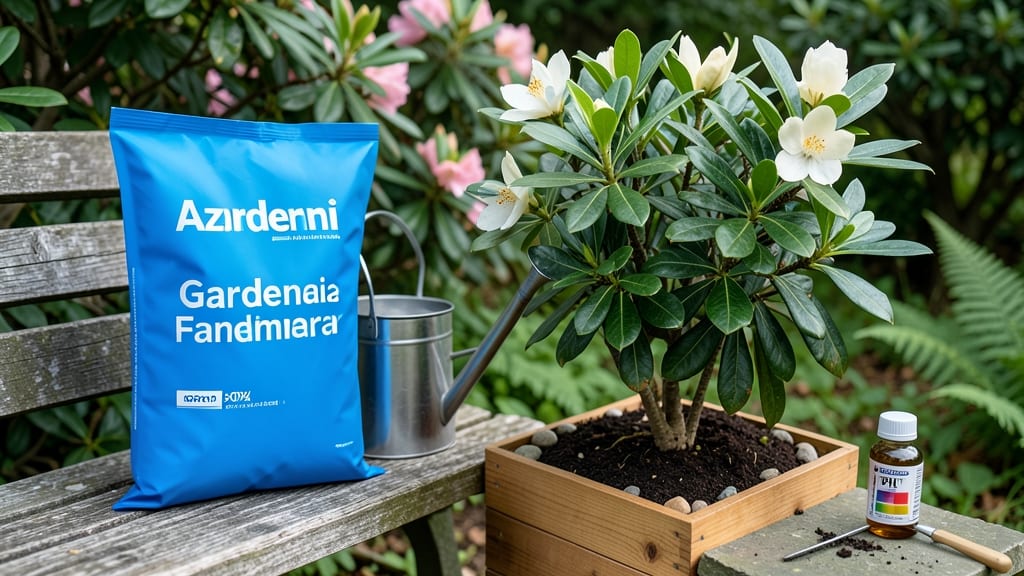
Using an acid-based fertilizer for gardenias 🌸 is the game-changer behind their lush, fragrant blooms—and skipping it means struggling with sparse flowers and yellowing leaves no matter how much you water.
If you’ve ever watched your gardenias fight to thrive in your yard, you’re not alone. The issue isn’t just water or sunlight; it’s the soil pH. Gardenias crave acidic conditions, and without the right fertilizer, their roots can’t access the nutrients they need to flourish.
In this guide, I’ll walk you through the ideal pH range (4.5–6.0), the best acid-based fertilizers (organic and synthetic), and exactly how to apply them for vibrant blooms year-round. No more guesswork—just science-backed steps to keep your gardenias happy.
You’ll also learn how to spot nutrient deficiencies early, adjust your soil safely, and even DIY a simple pH test at home. Let’s get those gardenias looking like they belong in a tropical paradise!
Why gardenias need acid-based fertilizer: the science behind pH and blooms
If your gardenias are struggling to bloom or their leaves look pale and weak, soil pH might be the culprit. Gardenias thrive in acidic soil with a pH range of 4.5 to 5.5.
When soil becomes alkaline (pH above 7.0), these tropical shrubs can't absorb essential nutrients, leading to stunted growth and poor flowering. Acid-based fertilizers lower pH while providing the right nutrients for vibrant blooms.
The key nutrients in acid-based fertilizers—nitrogen (N), phosphorus (P), and potassium (K)—work together to support gardenias. Nitrogen fuels leafy growth, phosphorus encourages root development and flowering, and potassium strengthens disease resistance.
Without the right balance, gardenias may produce fewer blooms or develop yellow leaves, a classic sign of nutrient deficiency.
Most garden soils are naturally slightly acidic, but factors like lime amendments, rainwater runoff, or urban pollution can raise pH levels over time. If your gardenias are planted in alkaline soil, even the best organic matter won't help without acidifying treatments.
That's where acid-based fertilizers come in—correcting pH while feeding your plants.
🌱 Did you know? Gardenias are native to Southeast Asia, where acidic, humid conditions mimic their natural habitat. Recreating these conditions in your garden is the secret to lush, fragrant blooms year-round.
| Factor | Ideal Range | Effect of Deviation |
|---|---|---|
| Soil pH | 4.5–5.5 | pH < 4.5: Root burn; pH > 6.0: Nutrient lockout |
| Nitrogen (N) | 8–10% | Too high: Leafy growth, fewer blooms; too low: Pale leaves |
| Phosphorus (P) | 3–5% | Too low: Weak stems, poor flowering; too high: Toxicity risk |
| Potassium (K) | 9–12% | Too low: Yellow edges on leaves; too high: Salt buildup |
| Iron (Fe) | 2–5 ppm | Deficiency: Yellowing between veins (chlorosis) |
When gardenias don't get enough phosphorus, their buds may drop before opening, leaving you with sparse blooms. Look for dark green leaves with purple stems—a classic sign of phosphorus deficiency.
Meanwhile, potassium deficiency often shows as yellowing leaf edges or weak stems, making plants more susceptible to pests and diseases.
Choosing the right acid-based fertilizer depends on your gardenias' current health. For example, ammonium sulfate is a fast-acting option that lowers pH quickly, while pine bark fines provide slow-release acidification and organic matter. Always follow the package instructions, but start with half the recommended dose to avoid over-acidifying the soil.
Seasonal timing matters too. Apply acid-based fertilizer in early spring to stimulate new growth and again in mid-summer to support blooming. Avoid fertilizing in winter, as gardenias enter dormancy and don't need extra nutrients. Over-fertilizing can burn roots, so always water thoroughly after application.
🌿 Pro Tip: Mix a handful of sulfur granules into the soil around your gardenias in early spring. Sulfur slowly acidifies the soil over time, creating the perfect environment for blooms without the risk of over-application.
If your gardenias still struggle after adjusting pH, check for nutrient imbalances or soil compaction. Amend heavy clay soils with peat moss or compost to improve drainage and nutrient availability.
With the right acid-based fertilizer and consistent care, your gardenias will reward you with fragrant, glossy blooms that last all season.
Top 5 acid-based fertilizers for gardenias: pH-tested ratios and application tips
Gardenias thrive in acidic soil (pH 4.5–5.5), but many gardeners struggle to maintain this range. The right acid-based fertilizer can make all the difference—boosting blooms and preventing yellowing leaves. Organic options like pine bark and sulfur-coated urea offer long-term acidification, while synthetic choices like ammonium sulfate deliver quick results.
Let’s compare the top 5 to help you pick the perfect match for your gardenias.
Not all acid-based fertilizers work the same. Some focus on nutrient delivery, while others prioritize pH adjustment. For example, peat moss slowly lowers pH over months, making it ideal for long-term soil prep, whereas iron sulfate acts fast but requires careful dosing.
Below, we’ve rated each option on effectiveness, ease of use, and cost to help you decide.
Iron sulfate tops the chart for rapid pH correction, making it perfect for gardeners with alkaline soil. A single application can lower pH by 1–2 points within weeks, but it’s not a nutrient source, so pair it with a balanced fertilizer. For example, mix 1 tbsp iron sulfate with 2 tbsp ammonium sulfate for a dual-action boost. Just be cautious—overuse can harm roots or burn foliage.
For a slow-release organic option, pine bark is my go-to. It breaks down gradually, enriching soil with humus and micronutrients while maintaining acidity. Work 2–3 inches of pine bark into the topsoil annually in spring or fall.
This method is ideal for container gardenias, where soil volume is limited. Pair it with a foliar feed like fish emulsion to enhance blooms during summer.
If you prefer synthetic convenience, ammonium sulfate delivers nitrogen and sulfur in a water-soluble form. Use it every 4–6 weeks during the growing season, dissolving 1 tbsp per gallon of water.
Its high nitrogen content (21%) fuels leafy growth, but reduce doses in late summer to encourage flowering. For budding gardenias, switch to a phosphorus-rich fertilizer like superphosphate in early spring.
Don’t overlook peat moss, a classic for acid-loving plants. Mix 1 part peat moss with 2 parts garden soil when planting or repotting. It retains moisture and improves drainage, but it’s not a fertilizer, so combine it with a slow-release acid-based granular.
Reapply every 1–2 years to maintain soil structure and pH. This is especially useful for newly planted gardenias struggling in neutral or alkaline soil.
For foliar feeding, try sulfur-coated urea, which dissolves slowly when wet. Sprinkle 1 tbsp around the base and water it in, or mix it into your irrigation system for even distribution.
This option is low-cost and versatile, but avoid overapplying—excess sulfur can raise soil acidity too quickly, stressing your plants. Monitor leaf color: dark green leaves signal healthy acidity, while yellowing means it’s time to test your soil again.
Pro tip: Always test soil pH before applying any fertilizer. Use a DIY kit or send a sample to a lab for precise results. Adjust your fertilizer choice based on your soil’s current pH—if it’s below 4.5, reduce sulfur-based products and focus on organic matter like composted pine needles.
With the right blend