Planting
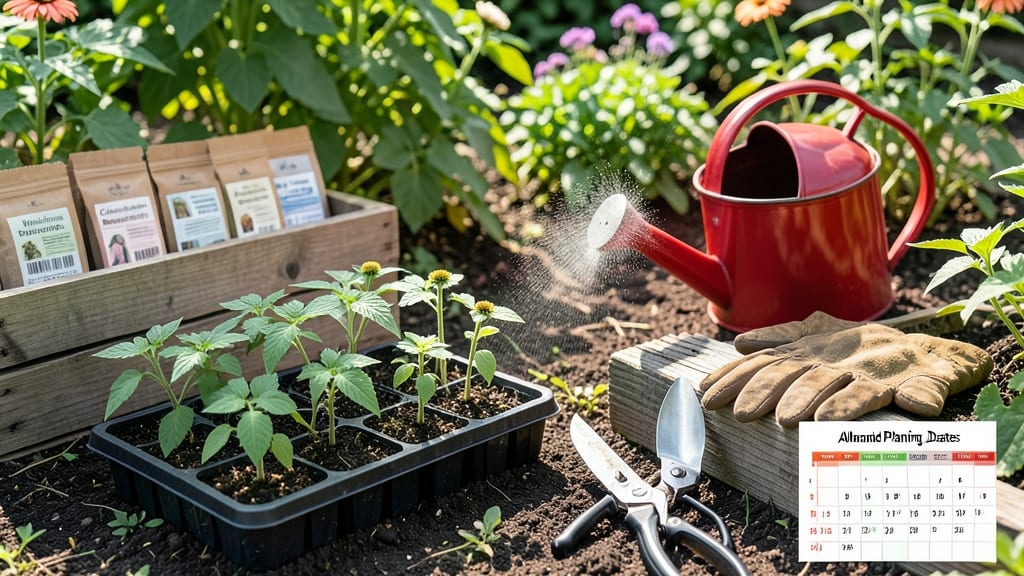
Planting a garden in Alabama at the right time means the difference between a bountiful harvest and a sad, wilted disappointment.
Alabama’s warm climate and diverse regions mean your garden’s success hinges on timing—plant too early and risk frost damage, too late and miss peak harvests. Here’s your region-specific guide to mastering Alabama’s planting calendar.
In USDA Zones 7a-8b, the last frost typically arrives by mid-March in the north and even earlier in the south. But those dates shift with elevation and coastal breezes, so knowing your exact zone is the first step to avoiding common mistakes.
You’ll learn the best months for cool-season crops like lettuce and warm-season favorites such as tomatoes, plus how to adjust for Alabama’s unpredictable weather. Let’s get started!
Alabama’s frost dates & planting zones: when to start seeds indoors vs outdoors
Alabama’s USDA Zones 7a-8b create a unique gardening climate where last frost dates can vary by 3-4 weeks between North and South Alabama. Understanding these microclimates helps you avoid frost damage while maximizing your growing season. Whether you're starting cool-season crops indoors or direct-sowing warm-season plants, timing is everything.
For North Alabama (Zones 7a-7b), the average last frost date falls around March 15-30, while South Alabama (Zones 8a-8b) typically sees its final frost by February 15-28. These dates shift slightly each year, so always check local Alabama Extension updates before planting.
The key is knowing when to start seeds indoors versus when to direct-sow outdoors for each crop type.
Cool-season crops like lettuce, broccoli, and peas thrive when planted 4-6 weeks before your area’s last frost date. In North Alabama, this means starting seeds indoors by late January for an early spring harvest. In South Alabama, you can begin sowing directly outdoors as early as late January for a head start. Meanwhile, warm-season crops such as tomatoes, peppers, and cucumbers should wait until 2-3 weeks after your last frost date.
In North Alabama’s cooler microclimates, I always start spinach and kale indoors by mid-January to ensure they’re ready for transplanting by late March. For South Alabama’s warmer zones, I often skip indoor starting altogether and direct-sow these crops in February for a faster harvest.
The key is matching your seed-starting timeline to your region’s frost dates while accounting for each plant’s days-to-maturity.
For warm-season crops, timing is equally critical. In North Alabama, I wait until April 15 to plant tomatoes and peppers outdoors, giving the soil time to warm up. In South Alabama, I can start these 2-3 weeks earlier, often by March 20.
If you’re unsure, use row covers to protect young plants from unexpected late frosts, which can still occur in April even in Zone 8.
Don’t overlook fall planting opportunities! Alabama’s first frost typically arrives between November 15-30, depending on the region. This means you can still plant cool-season crops like broccoli and carrots in late August for a fall harvest.
In South Alabama, some hardy crops like kale and collards can even survive mild winters, giving you year-round greens.
Pro tip: Use a planting calendar or gardening app to track your local frost dates and adjust for microclimates in your yard. For example, low-lying areas may frost earlier than hilltops, while urban areas can be 5-10°F warmer than rural zones.
Always err on the side of caution—better to plant a week late than risk losing your entire crop to frost.
Finally, remember that Alabama’s humidity and soil conditions play a huge role in seedling success. After sowing, keep seeds consistently moist and use mulch to regulate soil temperature. With the right timing and care, you’ll be enjoying homegrown vegetables from spring through fall—no matter where you garden in Alabama.
Best months to plant vegetables in Alabama by region (North vs South Alabama)
Alabama’s climate varies dramatically between its North and South regions, creating distinct planting windows for your garden. In North Alabama (USDA Zones 7a-7b), cooler temperatures and later last frosts mean you’ll need to wait longer for warm-season crops.
Meanwhile, South Alabama (Zones 8a-8b) enjoys an extended growing season, allowing for earlier starts and even year-round production of certain crops.
For both regions, timing is everything—cool-season crops like lettuce and broccoli thrive in early spring and fall, while warm-season crops such as tomatoes and peppers need to wait until after the last frost.
Herbs like basil and cilantro are versatile, adapting to both seasons with proper care. Let’s break down the best months to plant for each region to maximize your harvest.
🌱 Key Tip: Always check your local last frost date (typically mid-March in North Alabama and early March in South Alabama) and plan accordingly. Warm-season crops should go in 2-3 weeks after this date, while cool-season crops can start 4-6 weeks before.
In North Alabama, focus on early spring (March) for cool-season crops and late spring (April-May) for warm-season plants. The shorter growing season means you’ll want to prioritize fast-maturing varieties like bush beans or radishes to squeeze in a second fall harvest.
Use row covers or cold frames to extend your season if needed.
For South Alabama, the longer frost-free period lets you plant warm-season crops as early as March and enjoy fall harvests well into November. This region is ideal for heat-loving vegetables like okra, sweet potatoes, and peppers, which can thrive even in summer’s peak heat.
Don’t overlook winter crops like cabbage or collards, which perform exceptionally well in South Alabama’s mild winters.
Regardless of your region, soil preparation is key. Test your soil in late winter and amend with compost or aged manure to ensure nutrients are ready when planting begins.
In North Alabama, aim to have beds ready by mid-March, while South Alabama gardeners can start as early as February for a head start.
Pro tip: Keep a gardening journal to track your planting dates and success rates. Alabama’s weather can be unpredictable, so note any adjustments you make—like using shade cloth in summer or mulch in winter—to help future seasons thrive. With the right timing, your Alabama garden can be productive year-round! 🌿