
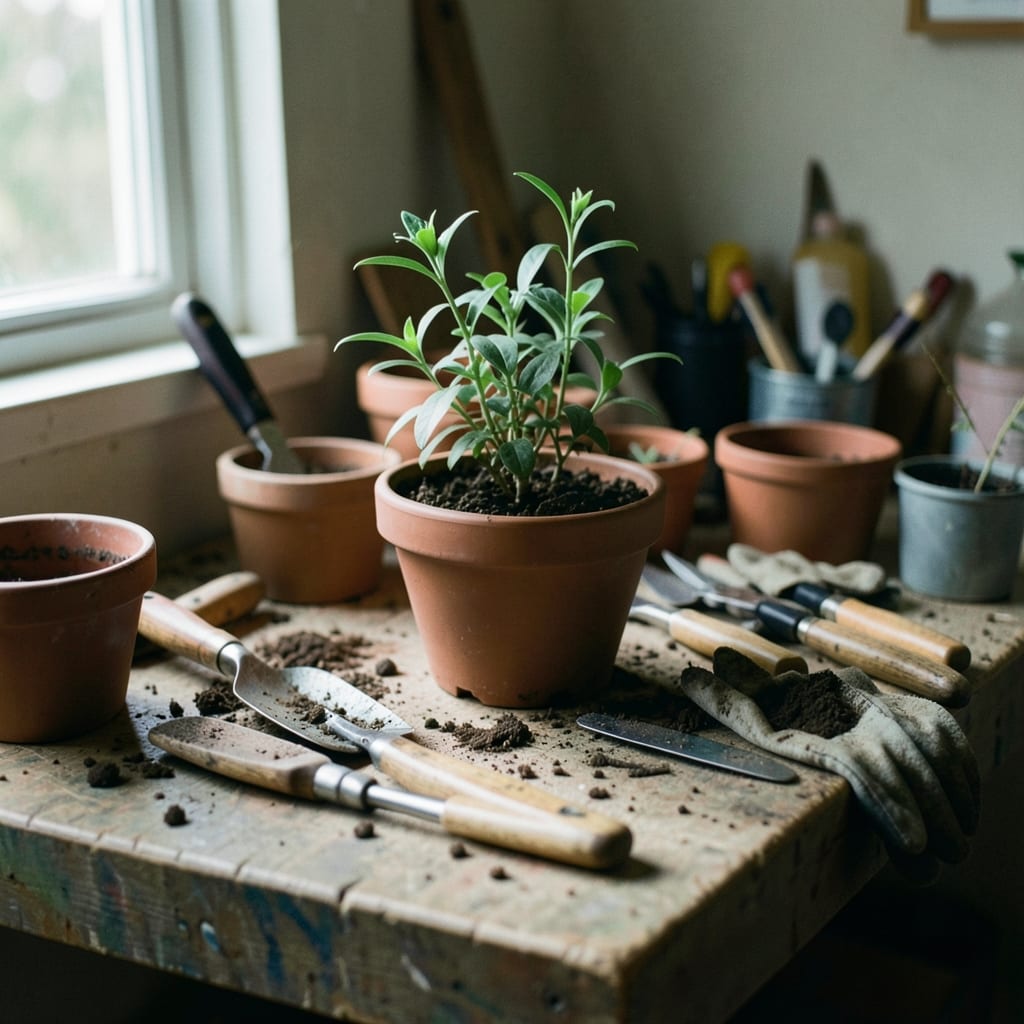
It started with one tomato plant that kept rotting at the stem
It was late May in the Pacific Northwest, and the soil was still cool from winter. I’d planted a single heirloom tomato seedling—‘Brandywine,’ because my grandfather swore by it—into a pot on the back porch. The leaves were thick, the stems sturdy, and the first blossoms appeared within weeks.
But every time a fruit swelled, the stem beneath it turned black and mushy, as if the plant itself had decided to reject its own harvest.
I’d checked the watering schedule, the sunlight, even the pH of the soil. Nothing matched the textbooks. The plant looked healthy—bright green, vigorous—but something was wrong beneath the surface.
The rot spread faster than I could cut it away, and by July, the pot was empty except for a few stubborn vines.
That first year, I replanted the same variety three times. Each time, the same thing happened: the stems blackened, the fruit dropped, and the plant gasped its last breath before August. I’d never seen anything like it. The neighbors’ tomatoes ripened like clockwork, their vines heavy with fruit. Mine withered.
Nine tries before it worked
The second year, I moved the pots to a sunnier spot and swore off overhead watering. The rot slowed, but the stems still weakened at the base. The third year, I added composted oak leaves to the soil—too much, as it turned out.
The fourth year, I tried a fungicide, but the plants grew sluggish, their leaves curling like they were suffocating.
By the fifth attempt, I’d given up on ‘Brandywine’ and switched to ‘Cherokee Purple,’ thinking a different variety might break the pattern. It didn’t. The sixth year, I tested the soil again and discovered the drainage was poor.
I drilled holes in the bottom of the pots and elevated them on bricks. The stems stayed firm for a week before the rot returned.
It wasn’t until the ninth planting—this time with ‘Sungold’ cherries, in a mix of potting soil and perlite, watered only at the base—that I noticed the difference. The stems stayed green. The fruit set without rotting. The secret?
A single variable I’d overlooked: the pots had sat in the same spot for years, and the soil beneath them was waterlogged. I’d never checked what was happening *under* the pots.
The mind behind these pages

That stubborn tomato plant belongs to Marguerite Kaminski, the founder of *Garden Grow Guide*. She’s the one who still keeps a notebook by the back door, scribbling observations every time a seedling wilts or a bloom drops too soon.
Her grandfather taught her that a garden is a conversation—one where the plants answer in ways you have to learn to hear.
She’s the kind of person who replants the same failed variety until she figures out the mistake. It costs her time, soil, and a few pots along the way, but she doesn’t see it as failure. To her, it’s how you learn which questions to ask next.
Her neighbors used to tease her for her ‘experiment garden,’ but now they bring her their own problems, hoping she’ll spot what they missed.
She once spent a weekend mapping the drainage in her yard with a tape measure and a shovel, just to prove a theory about why her peppers kept rotting. (The answer?
A buried pipe.) She’s also the person who, when she’s not gardening, is likely reading old seed catalogs or arguing with her tools.
That first tomato plant didn’t just teach her how to grow tomatoes. It taught her how to write about gardening: by starting with the thing that went wrong, and only then asking why.
Everything here is written the way that plant was
This site doesn’t tell you what to plant. It tells you why something *didn’t* work—and what changed when it finally did. Every guide here is built the same way: by planting, failing, adjusting, and repeating until the pattern becomes clear. The ‘tips’ aren’t just advice.
They’re the notes from the ninth attempt.
You’ll never see a step-by-step list without the backstory: the soil test results, the weather logs, or the moment the writer realized they’d been watering wrong for years. The details matter because they’re how you spot your own mistakes.
And if a page hasn’t been tested in real soil, with real failures, it doesn’t belong here.
Some pages get updated months later because a reader sent a photo of their own rotten stems—and the answer turned out to be something no one had written down yet. That’s how the garden works. The conversation never ends.
What that means for you
You’ll find no perfect gardens here, only the ones that survived the mistakes. If a page doesn’t have a ‘what went wrong’ section, it’s not because everything was easy—it’s because we haven’t failed enough to know what to write yet.
What you *will* find is a way to turn your own garden problems into lessons. The same questions that stumped Marguerite years ago are the ones she answers now: *Why is this happening? What did I miss? How do I fix it without starting over?*
If you’ve got a plant that’s refusing to cooperate, send us a photo and a description. We’ll diagnose it the same way we did our first tomato: by looking at what’s not obvious. The best lessons come from the things that keep failing.
The guides are grouped by category: Advice, Aphids, Blooming, Companion Plants, Container Gardens and How To.