
Tools
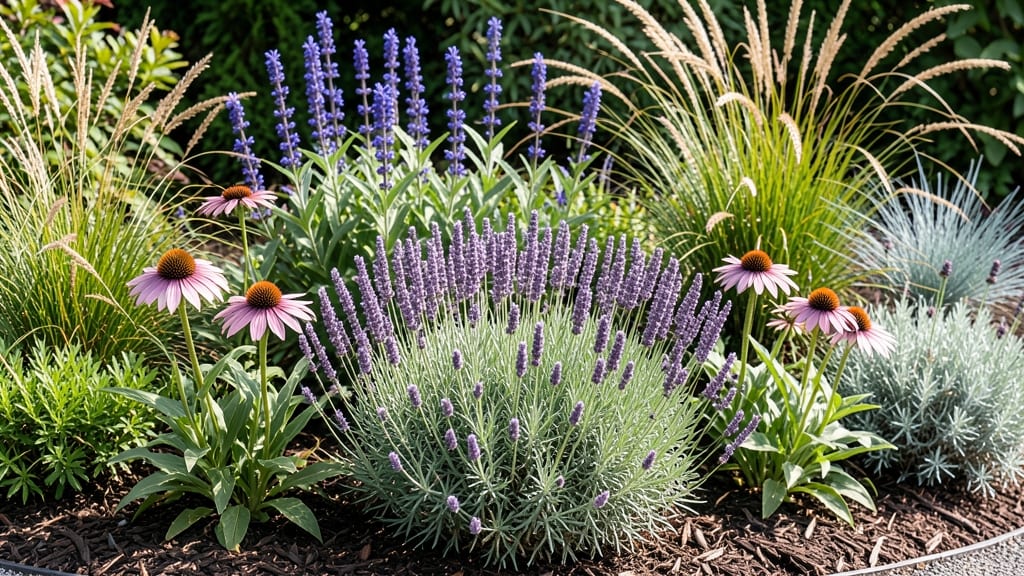
The best place for a garden depends on sunlight, soil, and space—three factors that make or break your harvest. 🌱 Whether you’re working with a sun-drenched backyard or a shady urban balcony, getting these basics right is the difference between lush plants and wasted effort.
Struggling to decide where to plant your garden? The right location can mean the difference between a thriving harvest and wasted effort—sunlight, soil quality, and space all play critical roles. Without the right mix, even the hardiest plants will fight to survive.
In this guide, I’ll break down how to evaluate sunlight exposure (full sun vs. partial shade), test your soil for hidden problems, and maximize space—whether you’ve got a small balcony or a half-acre plot. No more guesswork, just proven strategies tailored to your climate zone.
You’ll learn how to spot the ideal spot in your yard, adapt for urban gardening, and even turn a shady corner into a productive patch. Ready to grow what you love? Let’s dig in.
How sunlight requirements vary by plant type and climate Zone
Sunlight is the most critical factor in determining where to plant your garden—yet many gardeners overlook how plant types and climate zones change these needs. A tomato plant in USDA Zone 9 thrives with 8+ hours of sun, while a hosta in Zone 5 may struggle in full sun.
Understanding these differences ensures your garden flourishes, not fades.
Let’s break down the sunlight spectrum—full sun, partial shade, and full shade—and how each climate zone adjusts these requirements. Whether you’re in a tropical, temperate, or arid region, these guidelines will help you match plants to their perfect light conditions.
🌱
In tropical climates, like USDA Zones 10-12, intense sunlight can scorch plants that thrive in partial shade elsewhere. For example, coleus or caladiums need morning sun and afternoon shade to prevent leaf burn.
Meanwhile, arid regions, such as Zone 7b, often require afternoon shade to protect plants from extreme heat.
Temperate zones, like Zone 5-8, offer a middle ground where full sun lovers like sunflowers and zucchini can thrive, but partial shade is ideal for hostas or heucheras.
The key is observing how sunlight shifts throughout the day—south-facing spots get the most light, while north-facing areas stay cooler and shadier.
🌿
For herbs, the rules bend further. Rosemary and thyme crave full sun and drought tolerance, making them perfect for arid climates. But cilantro bolts in heat, so it’s best in partial shade during summer months in Zone 6.
Even within the same herb family, basil needs 6+ hours of sun, while parsley prefers 3-4 hours.
Flowers also showcase dramatic differences. Sun-loving varieties like marigolds or zinnias can handle 8+ hours of direct sun, but shade-tolerant options like impatiens or begonias wilt in full sun. In humid climates, like Zone 9, partial shade helps prevent fungal diseases by reducing leaf moisture.
🌻
Pro tip: Use a sunlight calculator or observe your yard’s light patterns for a week before planting. Note which areas get morning sun, afternoon shade
Best garden locations by climate Zone: from urban balconies to rural backyards
Your garden’s location isn’t just about aesthetics—it’s about survival. In USDA Zone 5 with harsh winters, a raised bed with insulated sides protects roots from freeze-thaw cycles. Meanwhile, Zone 10’s year-round warmth lets you garden in-ground year-round with mulch-heavy beds to retain moisture. The right setup transforms challenges into advantages.
Space constraints? A 10x10-foot balcony can yield 20 pounds of tomatoes using vertical trellises and square-foot gardening. Rural acres? Divide into microclimates—sunny south slopes for heat-lovers, shady north sides for woodland plants. Let’s match your climate to the perfect plot.
For small urban gardens, prioritize sunlight access over square footage. My 6-inch-deep balcony containers hold cherry tomatoes and basil—both thrive in morning sun and afternoon shade. In rural areas, a 100-foot-long raised bed lets me grow row crops like cucumbers alongside perennial herbs.
Pro tip: Test your spot with a $5 sun calculator (or smartphone app) to track light patterns for 3 days. In my Zone 7 garden, the west side gets scorching afternoon sun—perfect for peppers but deadly for lettuce. Adjust plant placement accordingly.
Don’t overlook windbreaks. A hedge of arborvitae shields my Zone 4 garden from 30 mph spring winds that would flatten young seedlings. Even in cities, a fence or wall can double as a growing surface for ivy or strawberries.
Remember: The best location balances sunlight, soil, and accessibility. Start small, observe what thrives, and expand based on real data—not just theory. Your garden’s success depends on it! 🌱