
Fertilization
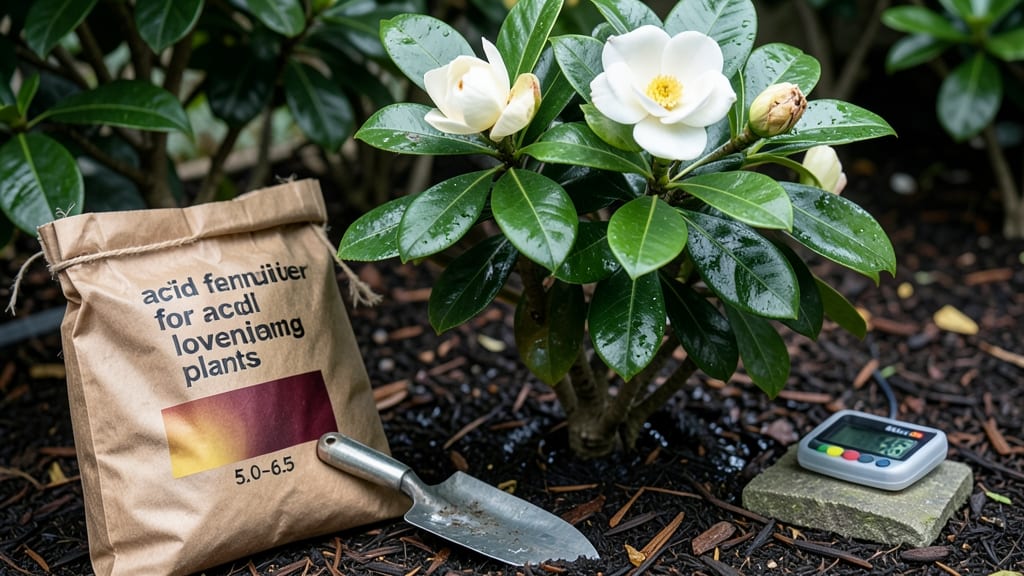
Using acid fertilizer for gardenias is the game-changer that turns yellowing leaves into glossy green and sparse blooms into fragrant clusters 🌸.
If you’ve ever stared at your gardenias and wondered why they refuse to bloom—or why the leaves look like they’ve been sunburned—your soil might be the culprit. Gardenias are picky about their pH, and without the right acid fertilizer, they’ll fight you every step of the way.
Here’s the good news: fixing it is simpler than you think. We’ll break down the best acid fertilizers for gardenias, how to apply them without burning your plants, and the telltale signs that your soil is finally happy (and so is your gardenia).
By the end, you’ll know exactly when to fertilize, how often, and which products to trust—so you can enjoy those intoxicating blooms all season long.
How acid fertilizers work to restore gardenia soil pH
Gardenias are acid-loving plants that refuse to bloom when soil pH rises above 5.5. The reason? Their roots can’t absorb essential nutrients like iron, manganese, and phosphorus in alkaline conditions.
Acid fertilizers lower pH by releasing hydrogen ions (H+) that neutralize alkaline compounds in the soil, creating the perfect 4.5–5.5 pH range for gardenias to thrive.
Think of it like this: alkaline soil acts like a nutrient blocker, locking out vital minerals. Acid fertilizers act as a key, unlocking these nutrients so your gardenia can produce those sweetly fragrant blooms we all love.
Without proper acidity, your plant might still look green but will skip flowering entirely, leaving you with a sad, leafy shrub instead of a fragrant centerpiece.
🌱 Did You Know? Gardenias share their acid-loving habits with azaleas, camellias, and blueberries—all of which rely on low-pH soil to access their full nutrient potential. This isn’t just a gardening quirk; it’s a biological necessity for these plants to survive and flourish.
Now, let’s break down how acid fertilizers actually work in your soil. There are two main types: synthetic acidifiers (like iron sulfate or aluminum sulfate) and organic acidifiers (like pine bark fines or peat moss).
Synthetic options provide an immediate pH drop, while organic options release acidity slowly over time, making them safer for long-term use.
Before you rush to buy an acid fertilizer, though, you’ll need to test your soil’s current pH. Most garden centers sell affordable pH test kits (digital or liquid test strips) that give you results in minutes.
If your soil tests above 6.0, your gardenia is already struggling—even if it still looks healthy. The good news? Acid fertilizers can lower pH by 0.5–1.5 points per application, depending on your soil type.
Here’s the science behind the fix: When you apply an acid fertilizer, it reacts with calcium carbonate (lime) in alkaline soil, producing calcium sulfate and releasing carbonic acid. This acid then dissolves minerals bound in the soil, making them available to your gardenia’s roots.
Over time, consistent applications keep the pH in that critical 4.5–5.5 range, ensuring your plant gets the nutrients it needs to produce abundant, fragrant blooms.
⚠️ Warning: Don’t overdo it! Too much acid fertilizer can raise aluminum and manganese levels to toxic levels, causing brown leaf tips or yellowing. Always follow package instructions and retest your soil every 3–6 months to monitor pH changes.
For best results, apply acid fertilizer in early spring (just as new growth begins) and again in early fall. Avoid applying it during hot summer months, when soil microbes become less active and the fertilizer may burn your gardenia’s roots.
Instead, focus on watering deeply and mulching to maintain soil acidity naturally.
If you’re new to acid fertilizers, start with a mild, organic option like pine bark fines or a balanced acid-loving plant fertilizer (like those labeled for azaleas or camellias).
These are gentler on your soil and less likely to cause nutrient imbalances than stronger synthetic acids. Over time, you’ll learn how your gardenia responds to different acid levels.
Ready to test your soil? Grab a pH test kit and a small trowel, then follow these steps:
- Dig a 1-inch deep hole near your gardenia’s roots (but not touching the plant).
- Scoop out a soil sample and place it in the test kit’s container.
- Add the test solution and wait 30 seconds–2 minutes for results.
- Compare the color to the chart—if it’s above 5.5, it’s time for an acid fertilizer!
With the right approach, your gardenia will thank you with glossy leaves and fragrant blooms all season long. The key is patience and consistency—soil pH doesn’t change overnight, but with regular care, you’ll see the difference in just a few months. 🌸