
Pests
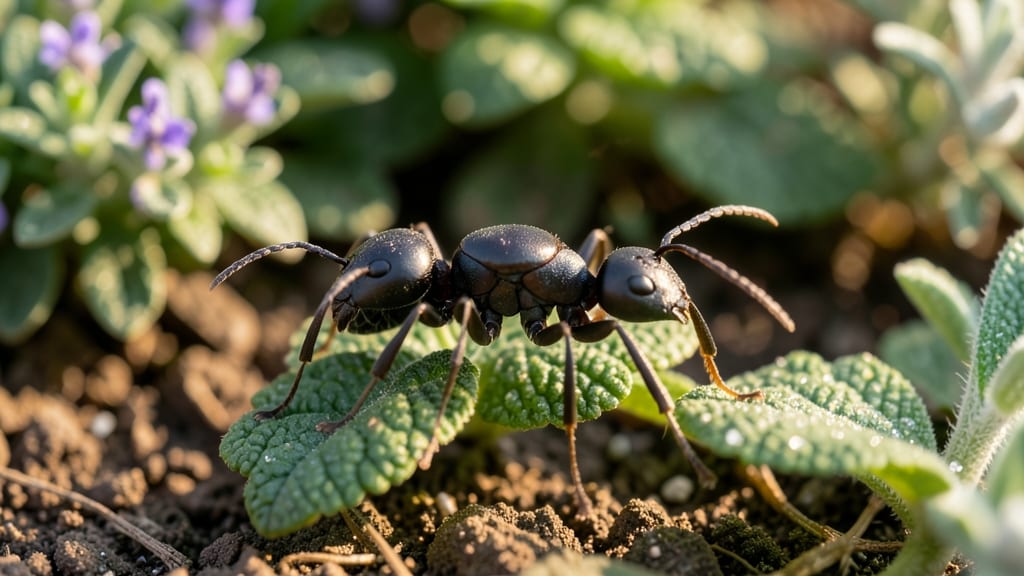
Ants are generally okay in the garden—they improve soil aeration, disperse seeds, and naturally control pests like aphids. However, some species can damage plants or ecosystems, so natural control methods may be needed when populations grow unchecked.
Most garden ants play a surprisingly helpful role in your outdoor space.
Their tunneling habits break up compacted soil, allowing water and nutrients to penetrate deeper, while their seed dispersal helps new plants establish. 🌱 They're also voracious predators of garden pests like aphids, termites, and even small caterpillars—acting as nature's pest control.
The key is balance, though: when you start seeing trails of tiny black or red ants marching across your plants, it might be time to reassess their impact.
That said, not all ants are created equal. Fire ants, for instance, can devastate young plants with their aggressive mounds, while carpenter ants may tunnel into wooden structures.
The good news is you don't need harsh chemicals to manage them—simple organic solutions like citrus peels (ants hate the scent), vinegar sprays, or diatomaceous earth work wonders without harming your garden's ecosystem. Think of it as giving your garden a natural tune-up rather than a chemical overhaul.
💡 In This Article
- Benefits of Ants in Garden Ecosystems
- Identifying Harmful Ant Species and Natural Removal Methods
Benefits of ants in garden ecosystems
Ants act like tiny garden engineers, creating intricate tunnel systems that aerate the soil to a depth of 6-12 inches. These underground pathways improve water drainage and root penetration, which is especially beneficial for container plants where soil compaction is common.
Studies show that ant tunnels can increase soil porosity by up to 30%, allowing roots to access nutrients more efficiently. 🌱 The physical disturbance also mixes organic matter with mineral soil, creating a more fertile growing medium naturally.
Their role in seed dispersal is equally impressive. Ants carry seeds away from parent plants, often burying them in their nests where they germinate. This process, called myrmecochory, helps spread plant diversity across your garden.
For example, blackberry and tomato seeds frequently hitch rides on ants, establishing new plants in nutrient-rich locations. Some gardeners even plant "ant-friendly" flowers like clover or dandelions to encourage this beneficial behavior while controlling weeds.
Perhaps their most valuable service is pest control. Ants are natural predators of garden pests like aphids, which they "farm" for honeydew but also consume in large numbers. A single colony can eliminate thousands of aphids per day, reducing the need for chemical interventions.
They also target caterpillars, termites, and even other ants' eggs. The key is encouraging the right species—pavement ants and fire ants (in moderation) are particularly effective aphid hunters, though their aggressive behavior requires monitoring.
Ants also contribute to nutrient cycling by breaking down organic matter. Their saliva contains enzymes that accelerate decomposition, turning fallen leaves and plant debris into compost-like material.
This process releases nitrogen and other essential nutrients back into the soil, creating a self-sustaining ecosystem. 🌿 In fact, some gardeners intentionally leave small piles of organic waste to attract ants, knowing they'll process it into valuable fertilizer.
However, their benefits depend on species and population size. While harvester ants improve soil health, Argentine ants can form supercolonies that outcompete native species, disrupting the garden's natural balance.
The solution? Observe their behavior—if they're tunneling through plant roots or protecting pests like mealybugs, it's time for gentle intervention rather than celebration.