
Tools
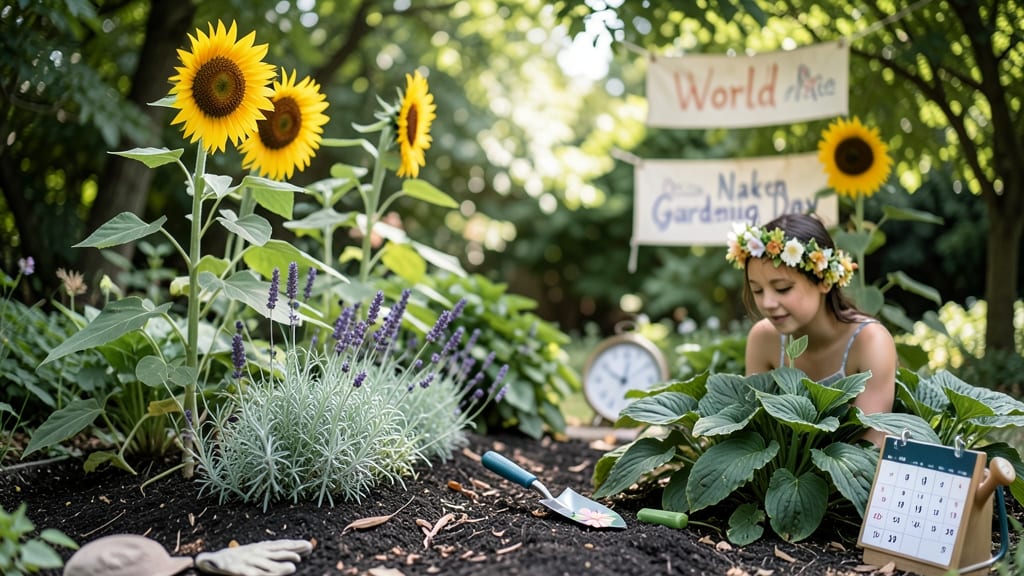
World Naked Gardening Day takes place every year on June 15, marking a global celebration of gardening in its most authentic form. This event encourages participants to embrace sustainability, body positivity, and community by gardening without clothing restrictions.
This unique event began as a playful protest against the commercialization of gardening, blending humor with environmental activism. 🌿 The idea took off in 2014 and now inspires thousands to connect with nature while challenging societal norms.
What started as a small movement has grown into a worldwide phenomenon, with participants from all backgrounds joining in.
Whether you're a seasoned gardener or just starting out, World Naked Gardening Day offers a refreshing way to engage with the earth. The focus isn't just on the lack of clothing—it's about reconnecting with the natural world in a way that feels liberating and meaningful.
Many communities use the day to organize group gardening sessions, plant swaps, or educational workshops about sustainable practices.
💡 In This Article
- The Origins and Meaning Behind World Naked Gardening Day
- How to Participate in World Naked Gardening Day Safely and Responsibly
The origins and meaning behind world naked gardening day
World Naked Gardening Day wasn't born from traditional activism—it emerged as a cheeky response to the over-commercialization of gardening. In 2014, a group of Australian gardeners launched the movement as a satirical protest against the corporate gardening industry, which often promotes expensive tools, synthetic fertilizers, and heavily branded products.
The founders wanted to highlight that gardening should be about connection with nature, not consumerism. 🌱 The name itself plays on the absurdity of modern gardening culture, where even basic tasks like weeding become associated with high-end equipment rather than simple, earthy engagement.
The event's timing on June 15 wasn't random—it coincides with the peak of gardening season in the Northern Hemisphere, when plants are actively growing and most people are outdoors. This strategic date maximizes participation while aligning with natural cycles.
What makes it unique is how it blends humor with serious environmental messages: participants often use the day to plant native species, reduce waste, or avoid chemical pesticides—all while celebrating their bodies and the earth's natural state.
The movement's growth can be measured in participation: from just a few hundred initial participants in Australia to thousands worldwide today.
At its core, World Naked Gardening Day challenges two societal norms simultaneously: the idea that gardening requires expensive gear and that bodies should be covered in all outdoor settings. The event's founders emphasized that removing clothing barriers makes gardening more accessible—literally and metaphorically.
For many, the experience becomes a form of radical self-care, where the focus shifts from appearance to the tactile experience of working with soil, touching plants, and feeling the sun on bare skin.
This sensory connection is what transforms the day from a quirky event into a meaningful act of environmental and personal liberation.
The movement's connection to broader sustainability efforts is often overlooked. Many participants use the day to highlight eco-friendly practices like composting, seed swapping, or water conservation—all while enjoying the freedom of gardening without clothing. The event's playful nature makes these important messages more approachable.
For example, some groups organize "naked seed bombs" workshops, where participants mix clay, soil, and wildflower seeds to create biodegradable planting balls. This hands-on activity becomes both a gardening lesson and a celebration of body positivity.
What started as a small-scale protest has evolved into a global phenomenon with chapters in over 30 countries. The event's success lies in its adaptability—participants range from urban gardeners with tiny balconies to rural farmers with acres of land.
In cities, people gather in community gardens, while in rural areas, farms host large-scale celebrations. The unifying factor is always the same: a return to gardening's most fundamental principles—connection with the earth and each other, without the distractions of modern consumer culture.
Interestingly, the event has also sparked conversations about accessibility. While the name might suggest it's only for those comfortable with nudity, many participants choose to wear swimsuits, hats, or other minimal clothing to feel comfortable.
This flexibility has made the movement more inclusive, allowing people of all backgrounds to join in a way that feels safe and empowering. The key message remains: gardening should be about joy, connection, and sustainability—not about what you wear or what you spend.
For those curious about the movement's impact, consider this: in 2022 alone, over 12,000 people participated in organized events worldwide, with many more joining informally. The day's success proves that when you combine humor with meaningful causes, you create something truly transformative—both for individuals and the environment. 🌍