
Tools
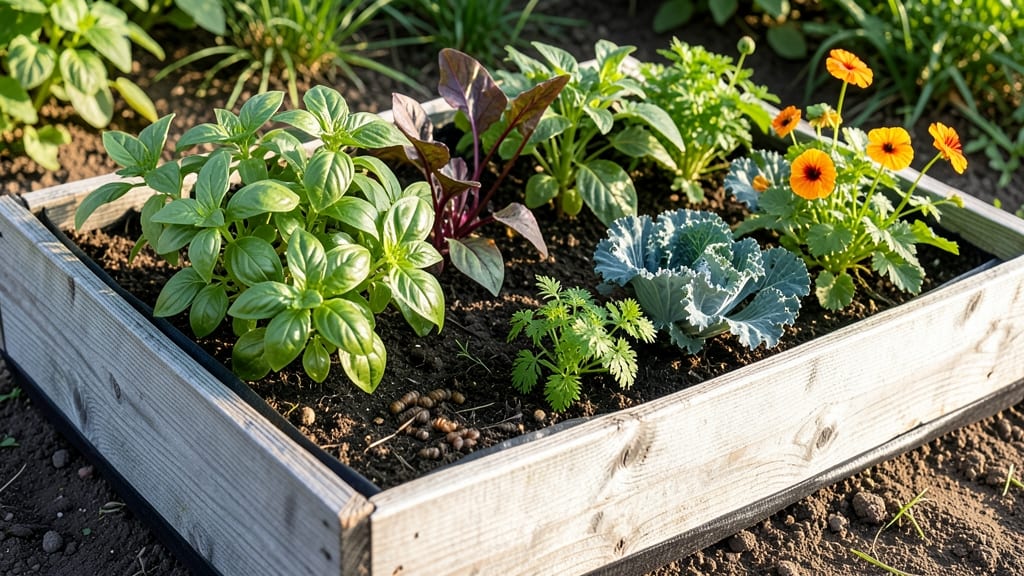
The standard raised garden bed size is 4 feet wide by 8 feet long, designed for easy access from all sides while maximizing planting space. A depth of 6 to 12 inches supports healthy root development and better soil management.
This popular dimension balances ergonomics and efficiency—you can reach the center without stepping inside, which reduces soil compaction and makes maintenance easier. 🌱 The 8-foot length provides ample growing space for most vegetables while keeping the bed manageable for most gardeners.
For deeper-rooted plants like tomatoes or potatoes, the 12-inch depth becomes especially valuable, as it prevents roots from hitting hardpan or becoming waterlogged.
The 4-foot width isn't arbitrary: it aligns with the average arm's reach, making weeding, harvesting, and tending to plants far more comfortable. Many gardeners also appreciate how this size fits neatly into standard lumber measurements (like 2x6 or 2x8 boards), reducing material waste and construction costs.
Whether you're growing herbs in containers or full-size vegetables, these dimensions strike the perfect balance between productivity and practicality.
💡 In This Article
- Why 4x8 Feet Is the Optimal Raised Garden Bed Size
- Customizing Raised Garden Bed Dimensions for Your Space
Why 4x8 feet is the optimal raised garden bed size
The 4-foot width of standard raised beds is a game-changer for accessibility and soil health. When you stand alongside a bed this size, your arms can comfortably reach the center without stepping inside—this prevents soil compaction from foot traffic, which can suffocate plant roots and reduce aeration.
Studies show that compacted soil can reduce root growth by up to 40%, making weeding and harvesting far more difficult. The 4-foot width also aligns with the ergonomic "reach zone" for most adults, reducing strain on your back and knees during long gardening sessions.
The 8-foot length maximizes planting space while keeping the bed manageable. This dimension allows you to grow a wide variety of crops—like two rows of tomatoes, four rows of lettuce, or a mix of herbs and peppers—without overstretching your reach.
For comparison, a 12-foot bed would require stepping inside, which disrupts soil structure and makes maintenance harder. The 8-foot length also fits neatly within most backyard spaces, whether you're working with a 10x10-foot patio or a 20x30-foot yard.
Plus, it’s easy to divide into smaller sections with board dividers if you want to rotate crops or manage soil types separately.
Depth plays a critical role in plant health, and the 6 to 12-inch range is ideal for most vegetables and herbs.
Shallow-rooted plants like lettuce, radishes, or basil thrive in 6 inches, while deeper-rooted crops such as tomatoes, potatoes, or carrots need the full 12 inches to prevent roots from hitting hardpan or becoming waterlogged. The extra depth also improves drainage, reducing the risk of root rot in heavy soils.
For example, a 12-inch-deep bed can hold 30-40% more water than a 6-inch bed, which is crucial during droughts or in sandy soils where moisture drains quickly.
What happens if you deviate from these standards? A narrower bed (2-3 feet) might save space but forces you to step inside, compacting soil and making weeding harder. A wider bed (5+ feet) can create "dead zones" in the center where plants struggle to get enough light and air circulation.
Similarly, shallow beds (under 6 inches) limit root growth, while deeper beds (18+ inches) can become too heavy, require more soil, and may not drain as well unless you add gravel or sand at the bottom.
Consider the soil volume in a standard 4x8x12-inch bed: it holds about 3 cubic feet of soil, enough to support 12-16 mature plants depending on spacing. This volume ensures nutrients are distributed evenly, and the bed warms up faster in spring, giving plants a head start.
For example, in Zone 5 climates, a raised bed can be 2-3 weeks earlier to produce than in-ground planting because the soil retains heat better. The combination of width, length, and depth creates a self-sustaining ecosystem where plants thrive with minimal effort.
For those with limited mobility, the 4-foot width is a lifesaver—it allows you to garden from a seated position or with adaptive tools.
And if you're working with small spaces, like a balcony or rooftop, you can create multiple 4x4-foot square beds for the same benefits without sacrificing accessibility. The key is balancing functionality, soil health, and ease of use—and the 4x8-foot bed does just that.