
Tools
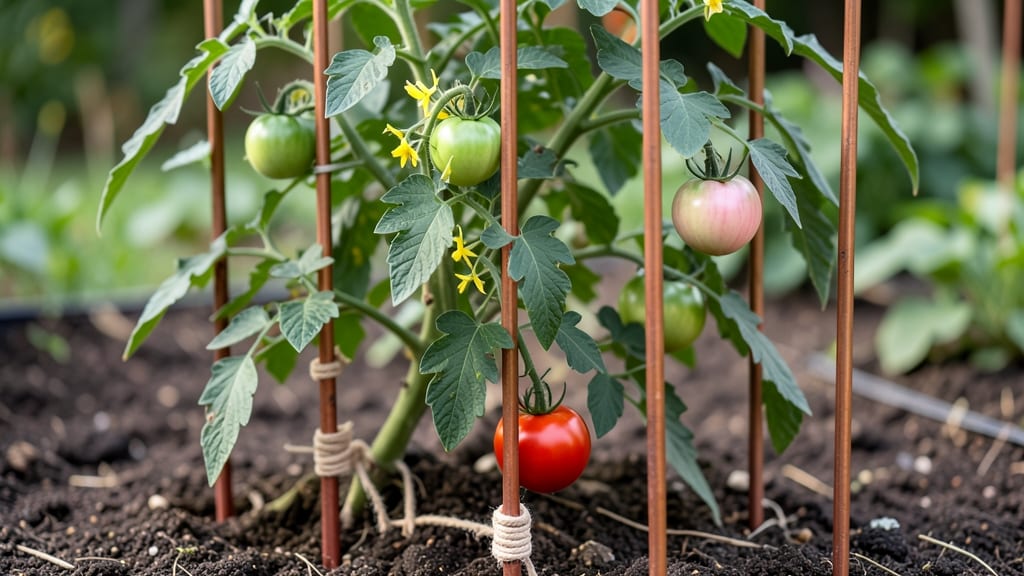
The benefits of copper garden stakes include exceptional longevity, natural rust resistance, and lightweight strength that supports plants for years without bending or degrading, making them perfect for trellises, tomato cages, and perennial gardens.
Copper stakes stand out because they develop a protective patina over time, which actually enhances their resistance to corrosion and weathering.
Unlike iron or steel, copper won't rust or weaken under moisture or temperature shifts, ensuring your plants stay supported even in harsh conditions. 🔥 The lightweight nature also makes them easy to install and reposition—ideal for gardeners who like flexibility without sacrificing strength.
Beyond durability, copper's natural antimicrobial properties create a healthier growing environment by discouraging fungal growth and deterring pests like slugs. This makes them especially valuable for organic gardens or when growing delicate plants like grapes or cucumbers that need sturdy yet gentle support.
💡 In This Article
- Why Copper Outperforms Steel and Wood Stakes
- Best Uses for Copper Garden Stakes in Different Plant Types
Why copper outperforms steel and wood stakes
Copper's superiority starts with its chemical makeup. When exposed to air and moisture, copper naturally develops a patina—a greenish layer of copper carbonate—that acts as a protective barrier.
This patina prevents further oxidation, unlike steel which continues to rust and weaken over time. 🔥 Even after decades, copper stakes maintain their structural integrity, while steel stakes can corrode within just a few years in damp soil conditions.
The antimicrobial properties of copper are another game-changer. Studies show copper surfaces inhibit bacterial and fungal growth by disrupting microbial cell membranes. This means stakes embedded in soil won't promote harmful pathogens that could affect plant roots.
Unlike wood stakes that rot and become breeding grounds for mold, copper remains sterile and supportive throughout its lifespan.
Weight plays a crucial role too. Copper's density provides strength without the bulk of steel, making it easier to handle and install. A standard copper stake weighs about 1.5-2 pounds—light enough to drive into soil with minimal effort yet strong enough to support 20-30 pounds of climbing plant weight.
This balance makes copper ideal for delicate vines that need support without damaging stems.
Let's compare the lifespans: copper stakes last 20-30 years or more, wood stakes typically 3-5 years, and treated steel stakes 7-10 years before needing replacement. The cost difference becomes negligible when factoring in maintenance—copper never requires painting, sealing, or replacement like wood or steel alternatives.
For gardeners in coastal areas, copper's resistance to salt air is particularly valuable. While steel stakes develop pitting corrosion from salt exposure, copper's patina actually thickens and protects the underlying metal. This makes copper stakes the only practical choice for seaside gardens where other materials fail within seasons.
Consider this practical example: A tomato plant growing on a 6-foot copper trellis will receive consistent support throughout its growing season, while a similar steel trellis might develop rust spots by midsummer that weaken its structure.
The copper's even strength distribution also prevents bending that occurs with lighter materials like bamboo.