
Planting
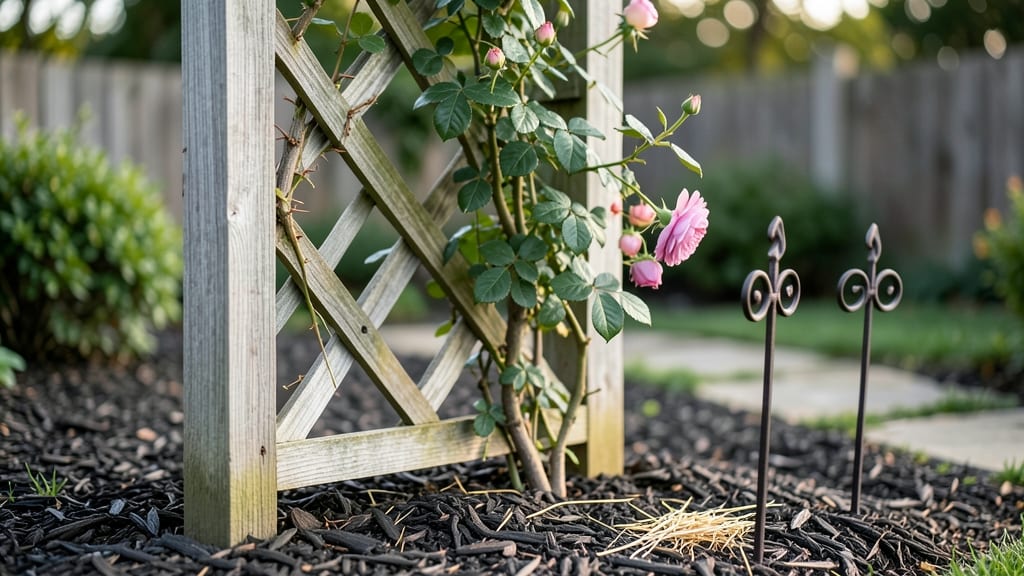
Growing a garden on an ascended fence creates vertical layers using shelves, planters, or trellises to utilize limited space efficiently, while lightweight materials like cedar or metal grids support diverse plantings from herbs to vegetables.
Vertical fence gardens transform awkward spaces into productive growing areas by stacking plants at different heights. 🌱 This approach ensures every plant gets optimal sunlight exposure—taller varieties like sunflowers or tomatoes can climb upward while low-growing herbs like basil or thyme thrive on lower shelves.
The key is balancing weight distribution so materials like cedar or metal grids stay sturdy while allowing roots to breathe through fabric pockets or drainage holes.
What makes this system so versatile is how it adapts to different climates and spaces. In small urban backyards, a 3-foot-tall fence can support three layers of plants, while rural properties might use 8-foot trellises for vining plants.
I’ve found that pairing fast-growing crops like lettuce with slower climbers such as cucumbers creates a natural succession of harvests throughout the season.
💡 In This Article
- How Vertical Fence Gardening Maximizes Space and Sunlight
- Best Materials and Plant Combinations for Fence Gardens
How vertical fence gardening maximizes space and sunlight
Vertical fence gardens work by creating a tiered system where each plant gets customized growing conditions based on its height and sunlight needs. The top layers—typically 3-4 feet up—catch the most direct sunlight, perfect for sun-loving plants like tomatoes or marigolds.
Meanwhile, lower shelves (1-2 feet) provide dappled shade for shade-tolerant herbs like parsley or cilantro. This stratification mimics natural forest understory ecosystems, where different plants thrive at different heights.
The science behind this efficiency lies in light penetration angles. Sunlight hits the topmost plants first, but 10-20% of its energy scatters downward as diffuse light, which is ideal for mid-level plants. Fabric pockets or slatted shelves allow this light to reach lower levels without blocking airflow.
For example, a 4-foot-tall fence with three shelves can support sunflowers at the top, basil in the middle, and lettuce at the bottom—all growing simultaneously without competing for space. 🌿
Root depth is another critical factor. Shallow-rooted plants like strawberries or thyme thrive in 6-inch-deep fabric pockets, while deeper-rooted vegetables like carrots need 12-inch planters. The key is matching container depth to plant needs—this prevents overcrowding and ensures proper moisture retention.
I’ve noticed that drip irrigation systems work best here, delivering water directly to roots without over-saturating lighter materials like cedar or metal grids.
Moisture retention varies dramatically between materials. Cedar naturally resists rot but requires 1-2 inches of soil to prevent drying, while metal grids with fabric pockets can hold moisture longer due to their breathable design.
Trailing plants like nasturtiums or peas benefit from this setup—they spread across shelves while their roots stay anchored in deeper pockets. The result? A self-sustaining microclimate where each plant gets exactly what it needs without competing for resources.
Seasonal adjustments are crucial for year-round success. In spring, prioritize fast-growing crops like radishes or lettuce on lower shelves, while summer brings heat-loving plants like peppers or eggplants to the top.
Fall is perfect for cool-season greens, and winter-hardy herbs like rosemary can thrive on upper shelves where they catch residual sunlight. This rotational approach prevents soil depletion and maximizes harvests throughout the year.
One common misconception is that vertical gardens require constant maintenance. In reality, the right plant combinations reduce labor—pairing deep-rooted plants with shallow ones creates natural airflow, reducing fungal risks. For instance, a 6-foot trellis with cucumbers climbing upward leaves space for ground covers like clover to suppress weeds below.
This synergy is what makes vertical fence gardens both space-efficient and low-maintenance. ✨