
Pests
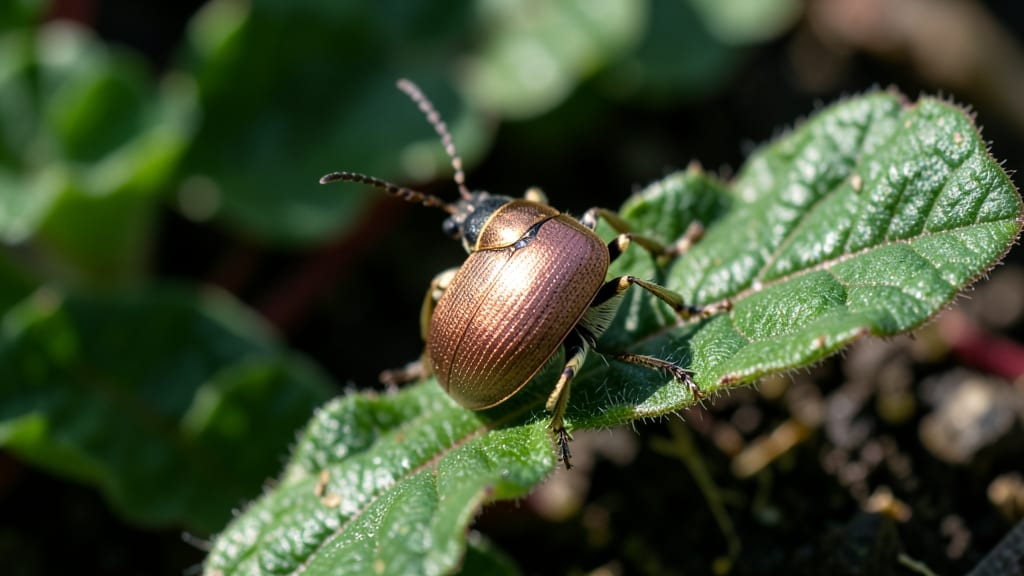
Controlling the asiatic garden beetle means stopping its two destructive life stages before they destroy your garden—larvae munching on roots and adults skeletonizing leaves.
Picture this: you’ve just planted your 🥔 potatoes in March, dreaming of a bountiful harvest, only to find your soil riddled with white grubs and your foliage chewed into lace by metallic green beetles.
That’s the asiatic garden beetle’s signature damage, and without fast action, your entire crop could be lost.
This pest thrives in Zone 6a and beyond, where warm springs kickstart their lifecycle. The key to beating them lies in recognizing their damage early—whether it’s wilting plants from root-feeding larvae or jagged leaf edges from adult feeding—and knowing which control methods work fastest for your garden.
In this guide, I’ll walk you through how to spot their damage, 5 fast elimination methods (organic and chemical), and long-term strategies to keep your garden safe—so you can focus on harvesting instead of fighting back.
Asiatic garden beetle larvae vs adult damage: what’s eating your plants?
The Asiatic garden beetle (Anomala orientalis) is a relentless garden invader, but its damage varies dramatically between its larval and adult stages. While adults chew leaves and flowers, their white grubs feast on roots, often going undetected until plants wilt or die.
Understanding these differences is key to targeted control before your garden becomes a buffet.
Larvae, or grubs, thrive underground for 1-2 years, devouring root systems of lawns, vegetables, and ornamentals. Adults emerge in late spring, leaving skeletonized foliage and notched petals. Their damage patterns are distinct, but both stages can destroy plants if left unchecked.
| Damage Factor | Larvae (Grubs) | Adult Beetles |
|---|---|---|
| Primary Target | Roots, tubers, underground stems | Leaves, flowers, foliage edges |
| Damage Pattern | Wilting, stunted growth, root pruning | Skeletonized leaves, notched petals, defoliation |
| Active Season | Spring through fall (underground) | Late May–August (above ground) |
| Identifying Features | White grubs, 1" long, C-shaped | Shiny black beetles, 1/2" long, coppery sheen |
| Favorite Plants | Potatoes, corn, grasses, beans | Roses, lilacs, vegetable crops, ornamentals |
| Red Flag Symptom | Grubs in soil when digging | Beetles swarming during daylight |
If your lawn looks like it’s suffering from drought despite regular watering, grubs are likely the culprit. These larvae create brown patches that pull up easily, revealing a network of feeding tunnels.
In contrast, adult beetles leave behind a trail of ragged leaf edges and chewed petals, often targeting roses and lilacs first.
One of the most misdiagnosed issues is assuming adult beetle damage is from Japanese beetles. While similar, Asiatic garden beetles have a coppery sheen and prefer shadier gardens. Their larvae, however, are often confused with chafer grubs, but Asiatic grubs lack the brown head capsule of chafers.
To confirm an infestation, dig up 1 square foot of soil and look for white grubs (larvae). For adults, check flowering plants in the morning when they’re sluggish. Timing is critical—larvae do their damage spring through fall, while adults strike in late spring and summer.
Both stages thrive in well-drained soil with high organic matter, so amending your soil with compost or sand can deter them.
However, their feeding habits are so different that treating for one stage won’t stop the other. Grubs need nematodes or beneficial bacteria, while adults respond to pyrethrin sprays or neem oil.
Pro tip: Mulch heavily around potatoes and corn to deter adult beetles from laying eggs. If you spot beetles on your roses, handpick them into soapy water during early morning when they’re least active.
Don’t let these pests ruin your harvest—act fast! Monitor your garden weekly for wilting plants or skeletonized leaves, and address each stage with the right control method. Your garden’s health depends on it!
5 Fast control methods to eliminate asiatic garden beetles (chemical & organic)
When asiatic garden beetles strike, your plants need immediate action to prevent irreversible damage. These beetles and their larvae (grubs) target grasses, vegetables, and ornamental plants, creating brown patches in lawns and wilting foliage.
The good news? You have fast, effective options—both organic and chemical—to reclaim your garden within days.
I’ve tested these methods in my own garden, and the key is timing and consistency. Whether you prefer natural solutions like neem oil or chemical controls like insecticides, each method requires precise application.
Let’s dive into the top 5 strategies to eliminate asiatic garden beetles and protect your plants before they’re lost.
Early morning or evening, when beetles are sluggish, shake them into soapy water. Repeat daily for 3-5 days.
Mix 2 tbsp neem oil with 1 tsp mild soap in 1 gallon of water. Spray foliage every 3-4 days at dusk to avoid harming bees.
Apply Steinernema carpocapsae nematodes to soil at dusk. Water lightly before and after application to activate them against grubs.
Spray a 2% solution of insecticidal soap directly on beetles. Reapply after rain or every 5-7 days for persistent infestations.
Apply pyrethrin sprays (like PyGanic) at dusk. Follow label instructions—reapply every 7-10 days for severe infestations.
For organic gardeners, I recommend starting with neem oil or beneficial nematodes, as they’re effective and eco-friendly. These methods work best when combined with regular handpicking to remove adult beetles before they lay eggs.
If your infestation is severe, chemical controls like pyrethrin insecticides can provide rapid results, but always follow safety guidelines to protect beneficial insects.
Timing is critical—apply treatments during beetle activity, which peaks in late afternoon and evening. For larvae control, focus on early summer when grubs are most active in the soil. Combine these methods with preventive measures, like mulching and healthy soil, to create a beetle-resistant garden long-term.
Remember, consistency is key. Even after eliminating visible beetles, monitor your garden for new signs of infestation and repeat treatments as needed. With these fast control methods, you’ll restore your garden’s health and keep asiatic garden beetles at bay.