
Plants
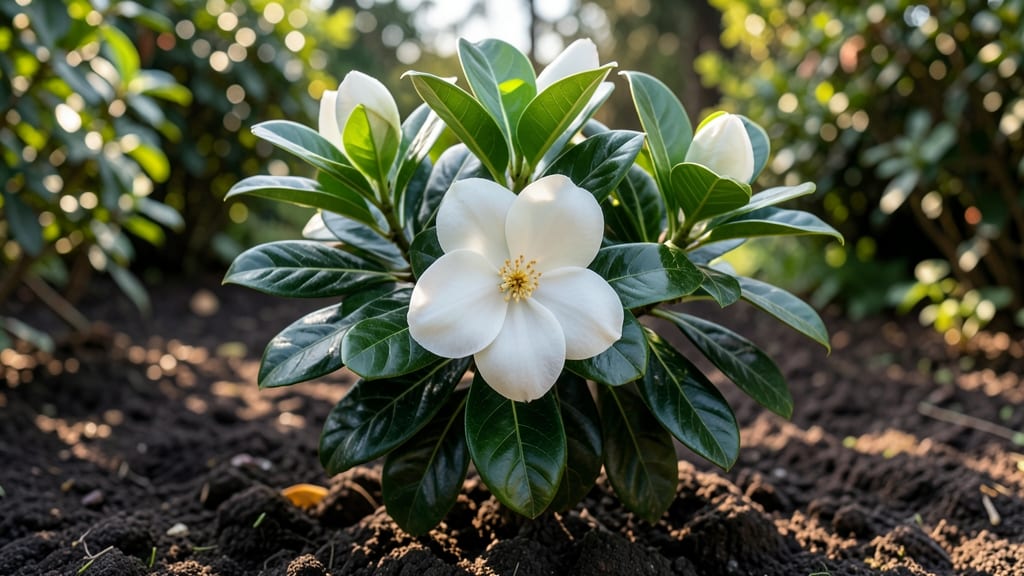
The August Beauty Gardenia 🌸 boasts a steady growth rate, reaching 3-6 feet tall with lush foliage and fragrant blooms by its third year—but its monthly milestones often surprise gardeners.
Picture this: a delicate 1-foot seedling in spring, then a 2-foot bush by summer, and by August, those first velvety white flowers opening with a heady perfume. But how do you keep it on track? The secret lies in understanding its growth phases, from root development to bloom time.
In this guide, I’ll break down exactly what to expect each month, including how sunlight, soil, and pruning can speed up—or slow down—its progress. You’ll also learn the three biggest mistakes that stunt growth (and how to fix them fast).
Ready to transform your garden into a fragrant sanctuary? Let’s dive into the month-by-month milestones that turn a slow starter into a showstopper.


August beauty gardenia growth rate by month: what to expect in each stage
The August Beauty Gardenia is a showstopper with its glossy, dark green leaves and creamy-white, highly fragrant blooms that appear in mid-to-late summer. Unlike many gardenias, this variety thrives in USDA Zone 6 and beyond, making it perfect for cooler climates.
But how does it grow month by month? From tiny seedlings to mature shrubs, each stage has unique needs and milestones worth tracking.
Under ideal conditions—acidic soil (pH 5.0-6.5), partial shade, and consistent moisture—your August Beauty Gardenia will follow a predictable growth pattern. The first year focuses on root establishment and stem development, while years two and three bring foliage expansion and the first fragrant blooms.
Let’s break down what to expect each month to keep your gardenia on track for a lush, blooming future.
📊 Growth Summary Table
In April, your August Beauty Gardenia starts as a delicate seedling, reaching 0.5–1 foot if planted early. This is the critical root establishment phase, so focus on keeping the soil moist but not soggy.
A light feeding with a balanced fertilizer (10-10-10) and a 2-inch layer of mulch will encourage healthy stem growth. Avoid transplant shock by watering deeply every 3–4 days and shielding young plants from harsh winds.
By May, your gardenia will shoot up to 1–2 feet, developing its first dense clusters of glossy leaves. This is when you’ll notice the signature dark green foliage that makes this variety so striking.
Prune any yellow or damaged leaves to redirect energy to new growth. If you planted in partial shade, you might see slower growth—supplement with a grow light if needed for 4–6 hours daily.
June marks the shift toward foliage maturity
Key factors that accelerate (or slow down) August beauty gardenia growth
Your August Beauty Gardenia thrives when you fine-tune its environment—think of it like creating a tropical oasis in your yard. The right balance of sunlight exposure, soil pH, and humidity can turn a sluggish shrub into a lush, fragrant powerhouse.
But get it wrong, and even the hardiest plant will struggle to reach its full potential. Let’s break down the critical factors that either accelerate or slow down its growth rate, so you can give your gardenia the VIP treatment it deserves.
First, let’s talk sunlight. While gardenias love bright light, they’re not fans of scorching afternoon rays. 4-6 hours of morning sun paired with afternoon shade is ideal. Too much direct sun can scorch leaves, while too little shade slows growth and reduces blooms.
If your gardenia is in a hot climate, consider a lightweight shade cloth during peak summer hours to protect it without stunting growth.
Next up: soil pH. Gardenias are acid-loving plants, and their growth rate skyrockets when soil pH is between 5.0 and 6.5.
Test your soil—if it’s alkaline, amend it with peat moss or sulfur to lower the pH. I once had a gardenia that refused to bloom until I adjusted the soil pH, and within a month, new growth appeared like magic. Don’t skip this step—it’s the foundation of healthy growth.
Factors That Speed Up (or Slow Down) Growth
- Morning sun (4-6 hours)
- Acidic soil (pH 5.0-6.5)
- Deep watering (1-2x weekly)
- High humidity (50%+)
- Light pruning (after blooms)
- Afternoon sun (leaf burn risk)
- Alkaline soil (pH >7.0)
- Shallow watering (drought stress)
- Low humidity (<40%)
- Heavy pruning (stunts blooms)
Watering is another game-changer. Gardenias hate soggy roots but also despise drought. Aim for deep, infrequent watering—about 1-2 times per week, depending on your climate. Stick your finger 2 inches into the soil; if it’s dry, it’s time to water.
Overwatering leads to root rot, while underwatering causes buds to drop. I’ve seen gardenias recover from drought, but it takes patience and consistent care to bring them back to full health.
Humidity plays a surprising role in growth, too. Gardenias love 50% humidity or higher, which mimics their tropical origins. If you’re in a dry climate, consider using a humidifier nearby or grouping plants together to create a microclimate.
A simple DIY trick? Place a tray of water near your gardenia or mist the leaves lightly in the morning. This small adjustment can make a big difference in leaf size and bloom production.
Finally, pruning techniques can either boost or hinder growth. Prune your gardenia after flowering to encourage new growth, but avoid heavy cuts—stick to shaping and removing dead wood. Over-pruning stresses the plant and reduces next year’s blooms.
I learned this the hard way after trimming too aggressively in early spring. The plant recovered, but it took an extra month to rebound. Timing and moderation are key!
By mastering these factors, your August Beauty Gardenia will grow faster, bloom more abundantly, and reward you with that signature intoxicating fragrance. Start with one adjustment—like testing your soil pH—and watch how quickly your gardenia responds. Happy growing! 🌿