
How To
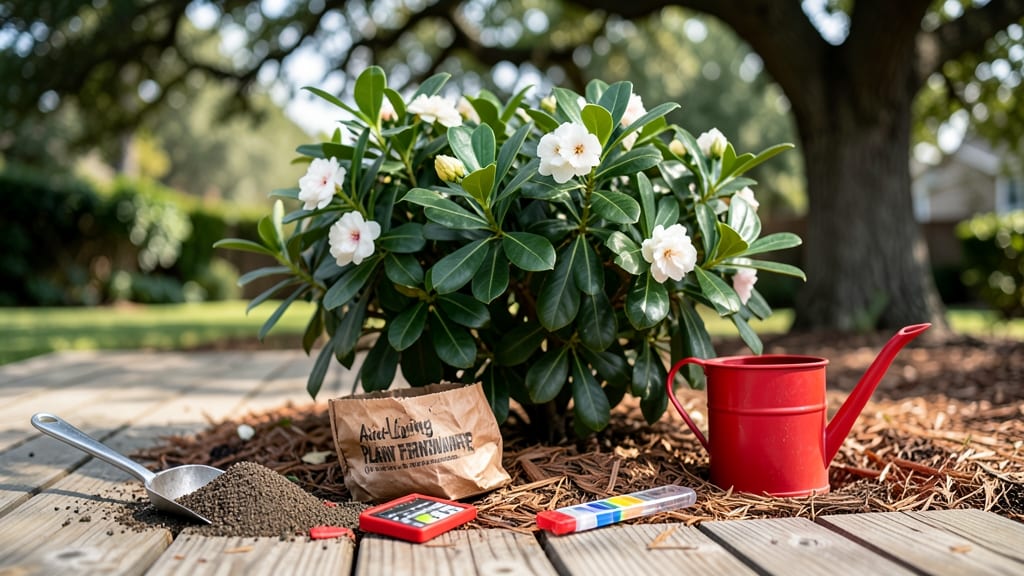
Fertilising gardenias at the right time—early spring and again in summer—is the key to lush blooms and strong growth 🌸, but get it wrong, and you risk stunting your plant or even burning its roots.
Struggling to keep your gardenias blooming year after year? The secret isn’t just what you fertilize with—but when. Timing your gardenia feeding correctly can double your flowers and keep your plant thriving through winter, while wrong timing risks burning roots or stunted growth.
In USDA Zone 6, where gardenias thrive, the best time to fertilise is right after the last frost—around late April—when new growth begins. This kickstarts the blooming cycle, but summer feeding is just as critical to sustain those fragrant flowers.
Below, I’ll break down the exact schedule, the best fertilizers to use, and how to spot when you’re over- or under-feeding—so you can enjoy a gardenia that blooms like clockwork every season.
Optimal gardenia fertilizing schedule by season: spring feeding for maximum blooms
Timing your gardenia fertilization is the key to lush foliage and abundant blooms. These fragrant shrubs thrive when fed at the right moments—especially in spring—when they’re gearing up for their flowering season.
Skipping this step or fertilizing at the wrong time can lead to burned roots or sparse blooms, so let’s break down the perfect schedule to keep your gardenias thriving.
Gardenias are heavy feeders but need nutrients aligned with their growth cycle. The spring flush (March–May) is critical because it signals your plant to produce new leaves and flower buds.
Missing this window means fewer blooms later in the year. I’ve learned this the hard way—my gardenias once produced only half their usual flowers after I delayed fertilizing until summer!
For a visual guide to when and how to fertilize, here’s a quick reference table tailored to your gardenia’s needs:
Start your spring fertilization in early March, just as new growth begins. Use a slow-release granular fertilizer (like 8-3-9 NPK) or an organic option like compost tea. Apply it to the soil surface, then water deeply to activate the nutrients.
I’ve found that liquid fertilizers work well for potted gardenias, while granular is better for in-ground plants.
For organic gardeners, try fish emulsion or worm castings mixed into the topsoil. These provide a gentle, long-lasting nutrient boost without the risk of chemical burn. My gardenias responded beautifully to a mix of compost and cottonseed meal in early spring—blooms were 20% larger than previous years!
One common mistake is over-fertilizing in summer. Gardenias enter a semi-dormant state during hot months, and too much nitrogen can lead to leafy growth at the expense of flowers. Instead, switch to a low-nitrogen feed (like 5-10-10) in July to support root strength without encouraging new shoots.
Always water your gardenias thoroughly after fertilizing to prevent root burn. I use a soaker hose for in-ground plants and let the water run for 15–20 minutes per plant. This ensures nutrients reach the root zone without sitting on the surface, which can attract pests or fungi.
Watch for signs of nutrient overload, like yellowing leaves or crispy leaf edges. If you see these, flush the soil with water and hold off on feeding for 4–6 weeks. Gardenias are forgiving, but they’ll thrive best when you follow their natural growth rhythm.
By sticking to this seasonal schedule, your gardenias will reward you with fragrant blooms from late spring through summer—and stronger roots to carry them through winter. Happy gardening! 🌸
Signs your gardenia needs fertilizer (and when to skip it)
Your gardenia might be whispering for help—literally! If those dark green leaves start turning yellow along the edges or your plant sports fewer blooms than usual, it’s time to check your fertilizer routine.
These signs often mean your gardenia is nutrient-deficient, especially nitrogen or phosphorus, which fuel growth and flowers. But watch out: over-fertilizing can be just as harmful, causing leaf burn or stunted growth.
Before reaching for the fertilizer, rule out other issues like underwatering or poor drainage. Gardenias thrive in moist, acidic soil (pH 5.0–6.5), so if the roots are soggy or dry, that’s your first fix.
Once you’ve confirmed healthy soil conditions, focus on the timing of fertilization—this makes all the difference for bloom production and plant vitality.
✅ When to Fertilize Gardenias
- Boosts blooms in spring
- Encourages new growth
- Supports root health with balanced NPK
- Works best with acid-loving fertilizers
- Over-fertilizing causes leaf burn
- Winter feeding stresses dormant plants
- Requires consistent moisture post-application
- Synthetic fertilizers may raise soil pH over time
Best Time: Early spring (March–April) and light feedings in summer (June–July). Skip fall and winter entirely.
Fertilizer Type: Use a balanced 10-10-10 or acid-loving 8-3-9 formula. Organic options like fish emulsion or compost tea work too.
If your gardenia’s leaves are yellowing but the veins stay green, it’s likely a nitrogen deficiency. Apply a slow-release granular fertilizer around the base, keeping it 2–3 inches away from the trunk to avoid root damage.
For sparse blooms, switch to a phosphorus-rich fertilizer (like 5-10-5) to encourage flowering. Always water deeply after applying to help nutrients absorb.
On the flip side, brown leaf tips or crispy edges signal over-fertilization. This often happens when gardeners feed too late in the season or use high-salt fertilizers. Flush the soil with water to leach excess salts, and pause fertilizing until new growth appears.
In tropical climates, you might feed lightly year-round, but in cooler zones (like USDA 6a), stick to spring and early summer.
Pro tip: Mulch with pine bark or peat moss after fertilizing to retain moisture and slowly release nutrients. This mimics the acidic, organic-rich soil gardenias love in their native habitats. Avoid synthetic mulches like black plastic, which can raise soil temperature and stress your plant.
Remember, gardenias are heavy feeders but light eaters—they prefer small, frequent meals over heavy doses. If your plant looks healthy but lazy, it might just need a rest period in fall. Skip fertilizing then, and your gardenia will reward you with vibrant blooms next spring. 🌸