
Planting
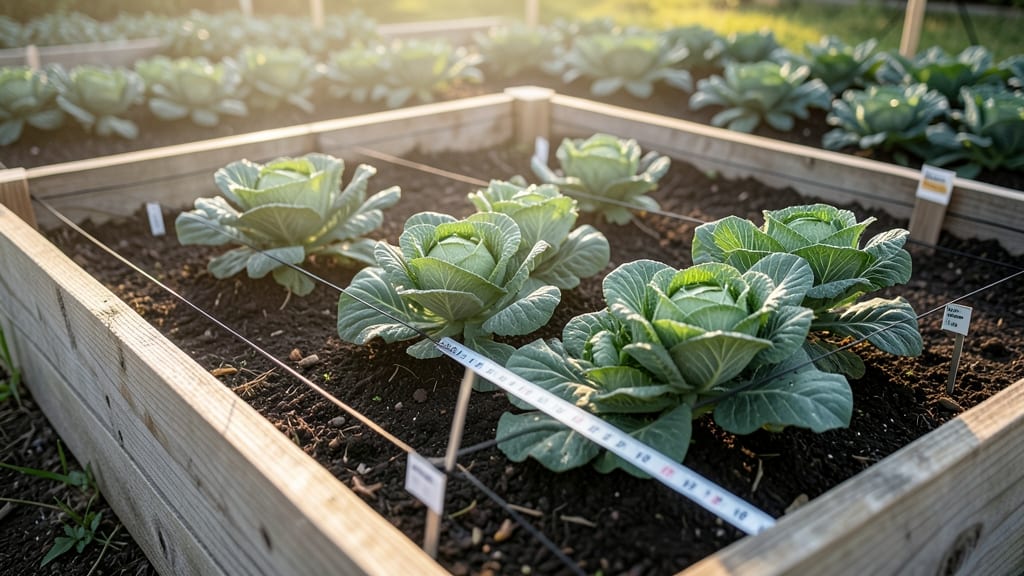
Spacing cabbage plants correctly in your garden is the difference between heavy, dense heads and stunted, disease-prone flops.
I’ve watched my 🥬 cabbage struggle for years—until I finally learned the exact row and plant distances that make all the difference. Too close, and you’re fighting for space; too far apart, and you waste precious garden real estate.
The right spacing isn’t just about fitting more plants—it’s about airflow, sunlight, and giving those heads room to grow.
Whether you’re growing head cabbage, leafy greens, or dwarf varieties, the numbers matter. 18–24 inches between plants? 2–3 feet between rows? It’s not just a guess—it’s science-backed spacing that prevents disease, maximizes yield, and keeps your harvests coming all season long.
In this guide, I’ll break down the exact distances for every stage—from seedlings to mature plants—and how to adjust for your soil, climate, and the type of cabbage you’re growing. No more guesswork, just bigger, healthier heads every time.
Optimal cabbage plant spacing by variety and growth stage
Cabbage isn’t just another vegetable—it’s a space-sensitive crop where crowding can shrink heads and poor airflow invites disease. The right spacing ensures dense, heavy heads while preventing competition for nutrients.
Whether you’re growing head cabbage, bok choy, or Savoy types, the distance between plants changes dramatically based on variety and growth stage.
Seedlings need tighter spacing (12–18 inches) to establish roots, but mature giant varieties like ‘Hubbard’ require 36+ inches to develop properly. Skipping this step often leads to stunted growth or split heads—two problems no gardener wants.
Let’s break down the exact plant-to-plant and row distances for each type, plus how to adjust for dwarf vs. giant varieties.
Why spacing matters: Proper distances improve air circulation, reduce fungal diseases (like clubroot), and prevent nutrient theft between plants. For example, bok choy can handle 6-inch spacing because it’s harvested young, while Savoy cabbage needs 24+ inches to develop its wrinkled leaves fully.
For seedlings, start with closer spacing (e.g., 6–12 inches) to encourage root development before thinning. Use a sharp knife or scissors to snip unwanted plants at soil level—this minimizes root disturbance for the remaining seedlings. If you’re direct-sowing, thin to mature spacing once seedlings have 2–3 true leaves.
Transplants, however, should go in at their final spacing to avoid transplant shock. I’ve learned this the hard way—planting 24-inch spacing for ‘Golden Acre’ cabbage but forgetting to adjust for its giant size led to split heads and pest pressure.
Always check the variety tag for mature size recommendations!
Adjust spacing based on your soil fertility. Rich, well-amended soil allows plants to stretch slightly without crowding, while poor soil may require tighter spacing to compensate. For example, in container gardens, reduce spacing by 20–30% since roots compete for limited nutrients.
Row spacing secrets: how far apart should cabbage rows be?
When planning your cabbage garden, row spacing often gets overlooked—but it’s just as critical as plant spacing. The right distance between rows ensures proper air circulation, light penetration, and disease prevention, especially for large varieties like Jersey Wakefield or Golden Acre.
Too close, and your cabbages compete for nutrients; too far, and you waste garden space. Let’s break down the science behind 18–36-inch row spacing and how to adjust it for your unique growing conditions.
Most gardeners default to 24-inch row spacing for standard cabbage varieties, but this isn’t a one-size-fits-all rule. Factors like soil fertility, irrigation methods, and even your trellising setup (for leafy types like bok choy) can shift the ideal distance.
For example, poor soil may require wider rows to reduce competition, while drip irrigation allows tighter spacing since water is delivered precisely. Let’s explore how to fine-tune your layout for maximum yield.
- 1 18–24 inches for standard varieties (e.g., Green Towers) in fertile soil with consistent moisture. This balances airflow and light while preventing overcrowding.
- 2 24–30 inches for large-headed varieties (e.g., Hubbard) or poor soil. Wider rows reduce competition and allow deeper root growth.
- 3 30–36 inches for trellised leafy cabbages (e.g., Napa cabbage) or drip irrigation systems. Extra space accommodates vertical growth and precise water delivery.
- 4 Adjust 12 inches inward for dwarf varieties (e.g., Miniature Peanut) or high-density beds. Monitor for leaf yellowing—a sign of overcrowding.
- 5 Troubleshoot overcrowding by thinning seedlings to 12–18 inches apart and over-spacing by interplanting with fast-growing companions like radishes or lettuce.
If your cabbage rows feel too tight, watch for early signs of stress: yellowing leaves, stunted growth, or pale heads. These are red flags that your plants are competing for nutrients. For over-spaced rows, you might notice uneven maturity or wasted garden real estate.
The key is to adjust based on your soil’s fertility—amend with compost or aged manure to support tighter spacing if needed.
For leafy cabbage varieties like bok choy or Chinese cabbage, consider trellising to save space. Install bamboo stakes or wire cages 2–3 feet tall and space rows 18 inches apart.
This vertical approach maximizes yield in small gardens while improving airflow to prevent fungal diseases like downy mildew. Just ensure your trellis is sturdy—heavy heads can weigh it down!
Pro tip: Use a string line and stakes to mark your rows before planting. This ensures straight, even spacing and makes it easier to rotate crops next season.
And if you’re short on space, try square-foot gardening: plant 1 cabbage per square foot in a 12-inch grid, but be prepared to thin aggressively as they grow.
Remember, cabbage row spacing is a balancing act between yield, health, and garden efficiency. Start with the guidelines above, then tweak based on your plants’ responses. With the right spacing, you’ll be harvesting dense, disease-free heads all season long. 🥬