
Pruning
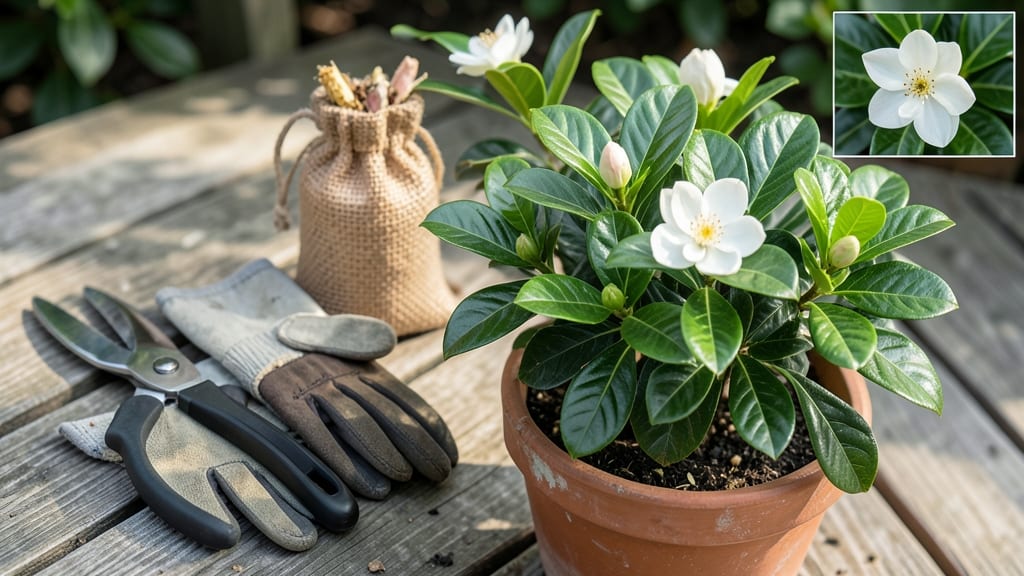
To get the best time to trim gardenias for vibrant blooms next year, wait until after their spring flowers fade—typically late summer to early fall.
Struggling to keep your gardenias blooming beautifully year after year? The secret lies in timing—prune at the wrong moment, and you risk stunted growth or fewer flowers. I’ve seen gardeners cut back too early, only to watch their 🌸 shrubs struggle to rebound.
This isn’t just about aesthetics—pruning at the right time boosts next year’s growth, strengthens stems, and even helps prevent disease. But timing matters more than you might think, especially in USDA Zone 6, where cooler weather can throw off your gardenia’s natural cycle.
Below, I’ll break down the exact steps to trim your gardenias without sacrificing next season’s fragrant blooms, plus regional adjustments to keep your shrubs thriving year-round.
When to prune gardenias for optimal growth: the science behind post-bloom timing
Understanding the natural growth cycle of gardenias is key to unlocking their full potential. These evergreen shrubs bloom on old wood, meaning last year’s growth produces this year’s flowers. Pruning at the wrong time—like right after planting or mid-summer—can remove next year’s buds and leave you with sparse blooms.
The best time to trim gardenias is late summer to early fall, after they’ve finished flowering but before hard frost sets in.
This timing aligns with gardenias’ dormant phase, when they’re preparing for winter. Pruning then stimulates new growth for next season while reducing disease risk from wet foliage. It also gives stems time to harden off before cold weather, making them more resilient to frost.
Think of it as giving your gardenia a clean slate while preserving its blooming potential.
⚠️ Critical Insight: Gardenias never fully stop growing in warm climates. In USDA zones 8-10, you can prune throughout winter, but in colder zones (like Zone 6), wait until after the last frost to avoid damaging tender new growth.
| Pruning Window | Botanical Purpose | Climate Zones | Action Items |
|---|---|---|---|
| Late August - Early September | Encourages new stem growth for next year’s blooms | Zones 6-9 | Trim dead/diseased wood first, then shape |
| October (before frost) | Prevents winter dieback from overgrowth | Zones 6-7 | Light pruning only; avoid heavy cuts |
| November - February | Maintenance for warm climates (Zones 8-10) | Zones 8-10 | Remove only dead branches; no shaping |
| Spring (March-April) | ❌ Avoid—removes current year’s buds | All zones | Only prune to remove frost damage |
Pruning in late summer (August-September) gives gardenias 6-8 weeks to recover before winter. This is when their growth hormones shift from flowering to stem thickening.
The new wood produced after this prune will bear next year’s blooms, so never cut into old wood—always trim just above a leaf node or bud.
Another botanical secret is that gardenias prune themselves after blooming. The spent flowers drop naturally, signaling the plant to redirect energy to stem and root growth. If you prune too early (like in June), you’re removing potential bloom sites before they’ve even formed.
This is why patience pays off—wait until all blooms have faded before touching your shears.
For container gardenias, the rules are slightly different. Since they dry out faster and have limited root space, you can prune once in early spring (to encourage bushiness) and again in late summer.
Just be sure to water thoroughly after pruning to reduce stress on the roots. Pro tip: Mulch heavily after pruning to retain moisture and protect roots.
One common mistake is pruning gardenias after a heavy bloom cycle but before they’ve recovered their energy. If you see yellowing leaves or stunted growth after pruning, you’ve likely cut too aggressively.
Aim to remove no more than 1/3 of the plant’s foliage in any single session. This balanced approach keeps your gardenia healthy and blooming for years.
Finally, disease prevention is a major reason to prune in late summer. Wet foliage in spring or fall creates the perfect conditions for powdery mildew and bacterial leaf spot.
By pruning before fall rains, you reduce hiding spots for pests and improve air circulation. Always sterilize your shears with <
Step-by-step pruning guide: how to trim gardenias without killing next year’s flowers
Pruning gardenias correctly is the difference between a bountiful bloom next spring and a sparse, leggy shrub. The key? Timing and technique. Once you’ve identified the best time to trim gardenias—after their summer blooms fade—focus on removing dead, crossing, or weak branches first.
This guides new growth toward a fuller, healthier shape while preserving next year’s flower buds hidden in the stems.
Start by gathering your tools: sharp bypass pruners for clean cuts, sterilized alcohol wipes to disinfect blades, and gloves to protect from sap. Gardenias produce next year’s flowers on old wood, so avoid heavy pruning—never remove more than 1/3 of the plant’s foliage in one session.
Your goal is to shape, not shrink.
Begin by inspecting your gardenia for dead or diseased branches—these should be cut back to the main stem or healthy growth. Look for branches that cross or rub others; remove these to improve airflow and reduce fungal risks.
Use your pruners at a 45-degree angle, just above a leaf node or outward-facing bud. This encourages growth in the right direction and prevents water from pooling on cuts.
For shaping cuts, focus on the outer edges of the shrub to create a rounded, open center. Avoid cutting into the wood’s center—this can expose the plant to pests and diseases.
If you’re dealing with a overgrown gardenia, prioritize removing the oldest branches first, then work your way to newer growth. Never shear gardenias with hedge clippers; this damages buds and creates a messy look.
After pruning, give your gardenia a light fertilizer with acid-loving nutrients (like 8-3-9) to support recovery. Water deeply to help the plant recover from stress, but avoid overwatering—soggy soil can lead to root rot.
Mulch around the base with organic matter to retain moisture and regulate soil temperature. Within a few weeks, you’ll see fresh, vibrant growth setting the stage for next year’s stunning blooms.
Remember, gardenias are slow growers, so patience is key. If you accidentally over-prune, don’t panic—your plant will recover, but expect fewer blooms next season. The reward for careful pruning? A lush, fragrant gardenia that blooms abundantly for years to come. 🌸