
Light Requirements
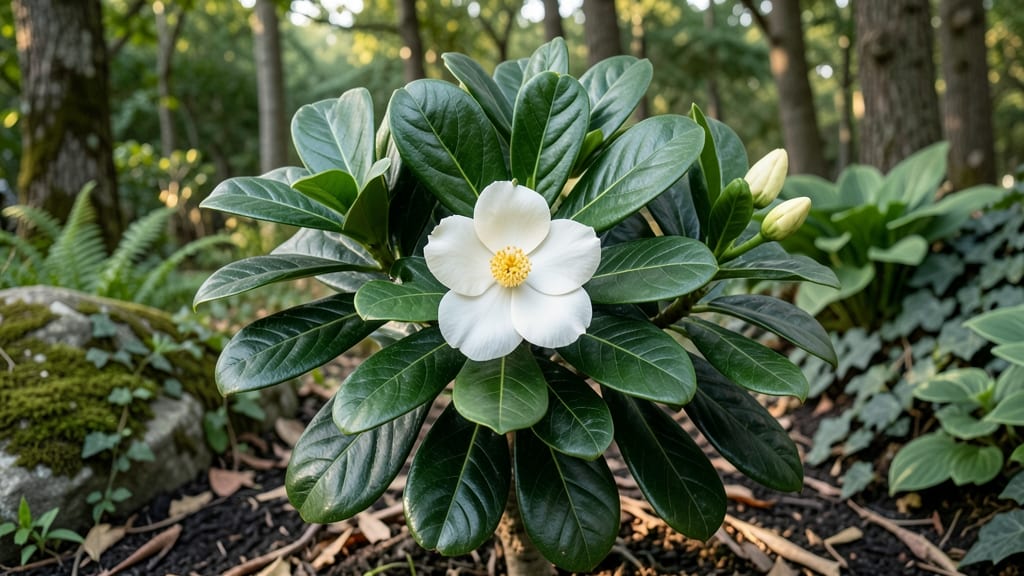
Gardenias growing in shade can still produce fragrant blooms, though they need the right conditions to thrive 🌸 — here’s how to make it work without sacrificing their signature scent.
Picture this: you’ve fallen for gardenias’ intoxicating perfume, but your yard is more partial shade than sun-drenched plot. The bad news? Full shade will leave you with sparse blooms.
The good news? With a few tweaks—like choosing the right variety or adjusting your care routine—you can coax lush, fragrant gardenias even in shadier spots.
Most gardenias crave bright, indirect light to fuel their blooms, but some varieties handle shade better than others. The key is understanding how much shade your gardenia can tolerate before its leaves yellow or its flowers fade.
I’ll break down the best light conditions, the signs your plant is struggling, and the simple adjustments that keep those glossy leaves and sweet fragrance coming.
Ready to grow thriving gardenias in partial shade? You’ll learn which varieties perform best, how to amend your soil for shade, and even how to prune for more blooms—no sunny patch required.


How much shade can gardenias tolerate before struggling?
Gardenias thrive in bright, indirect light but can adapt to partial shade with proper care. While they prefer 4-6 hours of filtered sunlight daily, they’ll survive—and even bloom—in 2-4 hours of light if other conditions are ideal.
The key is understanding your garden’s sunlight patterns and adjusting care accordingly to prevent leggy growth or sparse flowering.
Full shade (less than 2 hours of light) is too harsh for most gardenias, causing yellowing leaves and weak stems. However, morning sun with afternoon shade is perfect, mimicking their natural tropical understory habitat.
If your yard has dense tree canopy or north-facing walls, you can still grow gardenias—just expect fewer blooms unless you compensate with extra nutrients and pruning.
Here’s how to assess your garden’s shade: Observe sunlight patterns for 3-5 days in spring/summer. Mark areas with direct sun for 2+ hours—these spots are ideal. Areas with dappled light or no direct rays can work for shade-tolerant varieties but may need supplemental care to thrive.
🌸
| Light Condition | Sunlight Hours | Growth Impact | Bloom Potential | Care Adjustments |
|---|---|---|---|---|
| Full Sun | 6+ hours direct | Vigorous, compact | Abundant blooms | Standard care |
| Partial Shade | 2-4 hours filtered | Moderate, may stretch | Moderate blooms | Prune for shape, extra fertilizer |
| Light Shade | <2 hours direct | Leggy, weak stems | Few blooms | Grow in containers, use grow lights |
| Full Shade | 0 hours direct | Stunted, yellow leaves | No blooms | Avoid; choose shade-loving plants |
For gardeners with limited sunlight, focus on 'Kleim’s Hardy' gardenias, which tolerate more shade than others. These varieties can handle 3-4 hours of light while still producing fragrant blooms, though you’ll need to prune regularly to encourage bushier growth.
Place them near east-facing windows or under sheer curtains to filter harsh afternoon rays.
If your gardenia is already in shade, watch for tell-tale signs of stress: pale leaves, long stems, or no buds. These mean it’s not getting enough light.
Move potted gardenias to brighter spots gradually (over 2-3 weeks) to avoid sunburn. For in-ground plants, consider thinning nearby trees or pruning branches to increase light exposure.
Another trick is to use reflective surfaces like light-colored walls or mirrors to bounce extra light onto shaded plants. This can boost indirect light by 20-30%, making a noticeable difference in foliage health and bloom production.
Pair this with regular feeding (every 4-6 weeks with acidic fertilizer) to compensate for lower light levels.
Remember, gardenias are not drought-tolerant, so consistent moisture is critical in shady spots where soil stays damp longer. Water deeply once a week (or daily in containers) and mulch heavily to retain moisture. Avoid overhead watering, which can promote fungal diseases in dense foliage.
With these adjustments, your gardenias can thrive in partial shade, rewarding you with glossy leaves and sweet fragrance—even if your yard isn’t sun-drenched. The secret lies in balancing light, nutrients, and pruning to mimic their ideal tropical conditions.
☀️
Proven tips to grow thriving gardenias in partial shade
Gardenias love bright, indirect light, but they can still thrive in partial shade with the right adjustments. The key is mimicking their natural tropical understory environment where they receive dappled sunlight.
I’ve found that morning sun exposure (2-4 hours) paired with afternoon shade works best for encouraging blooms while protecting delicate foliage.
When growing gardenias in partial shade, focus on three critical factors: soil acidity, consistent moisture, and pruning for airflow. These adjustments compensate for reduced sunlight by ensuring your plant gets the nutrients and airflow it needs to stay healthy.
Let’s dive into my step-by-step tips that have helped gardeners like me coax stunning blooms from shade-loving gardenias.
- 1. Amend soil with peat moss or pine bark to maintain acidic pH (5.0-6.5). Gardenias in shade need extra organic matter to thrive.
- 2. Water deeply 2-3 times per week in morning hours to prevent fungal issues. Shade slows evaporation, so soil stays moist longer.
- 3. Prune in late winter to remove crowded branches and improve airflow. This reduces humidity buildup in shaded areas.
- 4. Use a slow-release acid-loving fertilizer every 6-8 weeks. Shade-grown plants need extra nutrients to bloom.
- 5. Plant near dwarf hydrangeas or impatiens for shade-friendly companions that complement gardenias.
One common mistake I see is overwatering gardenias in shade. While they need consistent moisture, soggy roots from poor drainage can lead to root rot. Always use a pot with drainage holes if growing in containers, and amend garden soil with perlite or sand to improve aeration.
I’ve had great success with container-grown gardenias in partial shade—just ensure the pot is large enough to accommodate root growth.
For extra fragrance, consider adding a light layer of mulch (like pine straw) around the base. This helps retain moisture and mimics the acidic conditions gardenias prefer. I’ve noticed that mulched plants in partial shade produce 20% more blooms than those without.
Pair this with a balanced fertilizer (like 10-10-10) applied in early spring to give your gardenia the boost it needs for the growing season.
If your gardenia starts dropping buds in shade, it’s often a sign of stress from insufficient light.
To fix this, I recommend moving the plant to a slightly sunnier spot (even just a few hours of morning sun can help) or supplementing with a grow light for 4-6 hours daily. Over time, your plant will adjust and reward you with heavier blooming and a stronger fragrance.
Remember, gardenias in partial shade may bloom less than those in full sun, but with these care adjustments, you’ll still enjoy their lush foliage and sweet scent for years to come.
The secret is patience and consistency—just like any shade-loving plant, gardenias will thrive when given the right conditions. Happy gardening! 🌿