
Tools
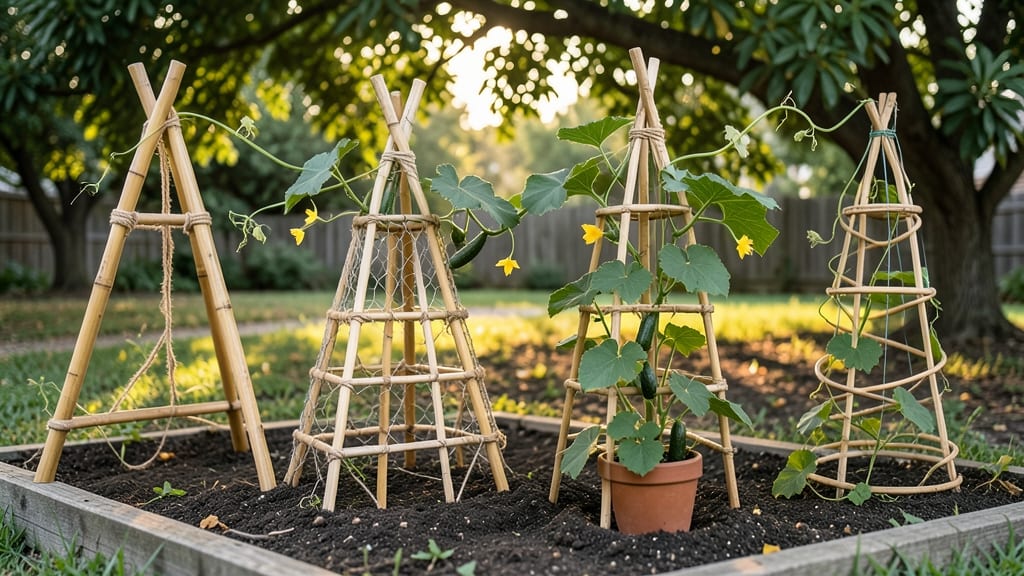
Building cheap garden trellises is easy with materials like bamboo stakes, reclaimed wood, or PVC pipes, all of which can create sturdy supports for under $10 per unit. Simple designs like teepees or obelisks help you grow vertically without spending much.
Most gardeners overlook how versatile everyday materials can be for creating functional trellises. Bamboo stakes are my go-to for lightweight, temporary supports—they’re cheap, biodegradable, and perfect for annuals like beans or cucumbers. Reclaimed wood offers durability for perennials, while PVC pipes provide a clean, long-lasting option that resists rot.
The key is matching your material to the plant’s growth habits and your budget. 🌿 For instance, a simple teepee trellis made from bamboo costs about $5 and can support climbing roses in just a season.
Beyond cost savings, these DIY trellises solve common space challenges. Vertical gardening isn’t just for small yards—even large gardens benefit from lifting plants off the ground, improving airflow and reducing soil-borne diseases. I’ve seen gardeners transform bare corners into lush green walls using nothing but scrap lumber and zip ties.
The best part? You can customize the height and shape to fit your plants’ needs, whether you’re training a sprawling zucchini or a delicate morning glory.
💡 In This Article
- Budget-Friendly Trellis Materials and Their Strengths
- Step-by-Step DIY Trellis Construction for Beginners
Budget-friendly trellis materials and their strengths
When building affordable trellises, the material choice directly impacts durability, cost, and plant compatibility. Bamboo stakes are my top recommendation for lightweight projects—they cost just $1-$3 per stake and bend easily to create teepee or spiral designs.
Their natural flexibility makes them ideal for annuals like pole beans or cucumbers, which need gentle support. The downside? Bamboo degrades faster than wood (about 1-2 years in moist soil), so it’s best for temporary setups.
For comparison, a single 2-inch diameter bamboo pole can support up to 20 pounds of plant weight when properly secured.
Reclaimed wood offers the best balance of affordability and longevity, especially for perennials like roses or grapes. Scrap lumber from pallets or old fences costs $2-$5 per board, and with basic tools, you can cut and assemble it into lattice or obelisk designs. The key advantage is wood’s natural strength—properly treated 2x4s can handle 50+ pounds of vine weight. However, untreated wood may rot within 3-5 years, so I recommend sealing it with linseed oil or outdoor paint. For extra stability, drive the posts 12-18 inches deep into the ground to prevent toppling in windy conditions.
Plastic options like PVC pipes provide a low-maintenance, rot-proof alternative for under $4 per 10-foot section. Their smooth surface prevents plant stems from tearing, making them perfect for delicate climbers like morning glories or clematis. The trade-off?
PVC lacks the natural aesthetic of wood and can become brittle in extreme cold. For a hybrid approach, I’ve used plastic-coated wire mesh (about $6 per roll) wrapped around bamboo frames—this combines bamboo’s flexibility with plastic’s durability for under $10 total.
The mesh also creates a textured surface that helps vines grip better than smooth bamboo alone.
Metal options like galvanized steel pipes or wire cages offer the longest lifespan but come at a higher cost ($10-$20 per unit). Their strength makes them ideal for heavy climbers like kiwi vines or wisteria, but the price often eliminates them from "budget" builds.
A clever workaround? Salvage old window frames or ladder rungs from construction sites—these provide metal’s durability for free or pennies. The catch is rust prevention: coat metal with paint or use stainless steel hardware to extend its life beyond 5+ years.
Here’s how to match materials to plants:
- Lightweight annuals (beans, cucumbers): Bamboo or plastic-coated wire
- Medium-weight perennials (roses, grapes): Reclaimed wood or treated lumber
- Heavy climbers (kiwi, wisteria): Galvanized metal or reinforced PVC
The real cost-saver isn’t just the material, but how you use it. For example, a 5-foot bamboo teepee made from 4 stakes costs $4 total but can support 3-4 cucumber plants. That’s $1 per plant—far cheaper than store-bought trellises priced at $15-$25 each.
The secret? Repurposing what you already have (like old broomsticks or garden stakes) can cut costs by 70-90%. Just ensure whatever you choose can handle your plant’s mature weight—nothing ruins a harvest faster than a collapsed trellis mid-season!