
Container Gardens
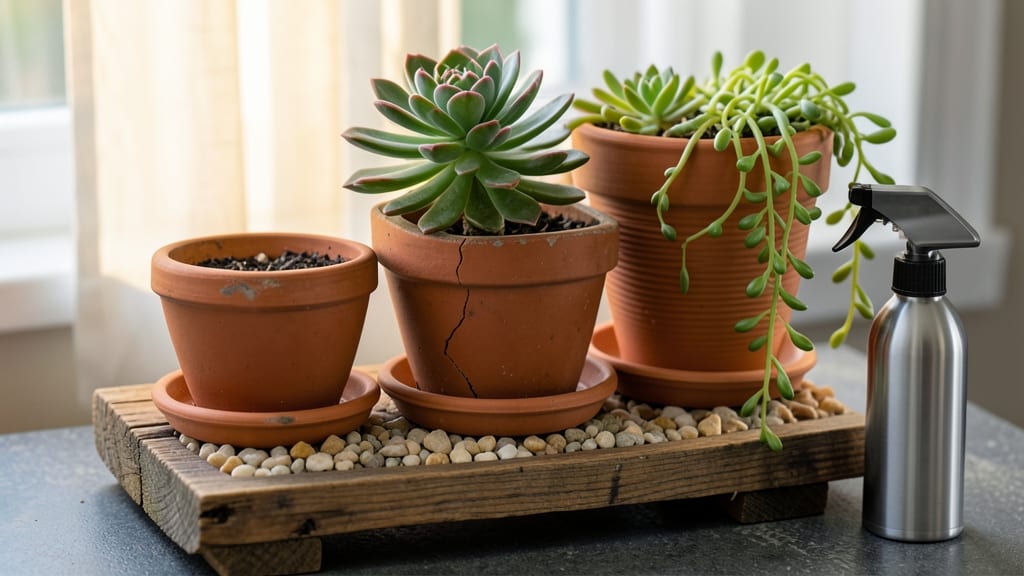
Clay garden pots 🏺 bring natural beauty and superior drainage to your container garden—but only if you understand their unique needs.
Struggling with soggy roots or pots that crack under seasonal changes? These timeless vessels offer breathability and rustic charm, but they demand a little extra care to perform at their best.
Unlike plastic, clay pots wick away excess moisture while allowing roots to breathe—ideal for herbs, succulents, and vegetables. However, their porous nature means they dry out faster and can’t handle freezing temperatures without protection.
In this guide, I’ll show you how to select the right clay pot for your plants, prevent common damage, and keep your roots thriving year-round—without the guesswork.
Why clay garden pots outperform plastic: durability, breathability, and root health benefits
If you've ever struggled with root rot from plastic pots or cracked containers after freeze-thaw cycles, you're not alone. Clay garden pots—especially unglazed terracotta—offer natural drainage and breathability that plastic simply can't match.
Their porous structure wicks away excess moisture while allowing roots to "breathe," creating an ideal environment for healthy growth. Unlike plastic, which traps humidity and promotes fungal diseases, clay's micro-pores regulate moisture and temperature, making them a science-backed choice for thriving plants.
But here's the catch: not all clay pots perform equally. Glazed vs. unglazed makes a world of difference—glazed pots retain more moisture (great for succulents) while unglazed ones dry faster (ideal for herbs).
The weight and durability also set them apart from flimsy plastic alternatives, though they require seasonal care to prevent cracks. Let’s break down why clay outperforms plastic in every critical category—from root health to long-term sustainability—so you can make an informed choice for your garden.
The porosity of clay pots is their superpower. Unlike plastic, which acts like a moisture prison, clay allows oxygen exchange at the root zone. This isn’t just theory—studies show that aerated soil supports beneficial microbes that break down organic matter, releasing nutrients for plants.
For example, basil and tomatoes thrive in clay pots because their roots stay oxygen-rich, reducing the risk of root rot by up to 70% compared to plastic. The trade-off? You’ll need to water more frequently, but the long-term plant health makes it worth it.
Clay pots also regulate temperature naturally. On scorching days, they absorb and dissipate heat, preventing root burn—a common issue in black plastic pots that act like mini greenhouses. In winter, their thermal mass insulates roots from freeze-thaw cycles, though you’ll need to winterize them to avoid cracks.
This dual functionality makes clay pots ideal for seasonal gardens in zones with hot summers or cold winters. For instance, rosemary and lavender stay healthier in clay because they hate soggy roots but appreciate dry, well-drained conditions.
Durability is another win for clay. While plastic pots yellow and degrade in 3–5 years, a well-made clay pot can last decades—even if it cracks, you can repurpose it as a planter or glue it back together with hydroponic sealant.
The rustic aesthetic also adds charm to gardens, unlike the sterile look of plastic. However, their heavy weight can be a downside for hanging baskets or balcony gardens, where lighter materials like fiberglass might be better.
Always check the weight limit of your space before committing to large clay pots.
For root health, the breathability of clay is unmatched. Roots in plastic pots often suffocate because excess moisture blocks oxygen, leading to anaerobic conditions and fungal diseases like Phytophthora. Clay’s micro-pores act like a natural wicking system, pulling moisture away from roots while allowing air circulation.
This is why container gardens with clay pots often see faster growth and higher yields—especially for vegetables like peppers and eggplants, which are prone to blossom end rot in waterlogged soil.
Clay garden pots are my go-to for their natural beauty and excellent drainage, but they demand proper care. One of the biggest mistakes I see is overwatering—clay's porosity makes it seem like it needs constant moisture, but soggy soil leads to root rot. Another common error is exposing pots to sudden temperature changes, which causes cracks and weakens the structure over time. Improper placement also ruins clay pots—placing them in full sun without shade can dry out plants too quickly, while shaded spots may cause excess moisture retention. Seasonal changes, like winterizing without protection, often lead to irreversible damage. Let’s tackle these issues head-on with expert solutions to keep your clay pots thriving for years. Fix these issues now to extend the life of your clay pots and keep your plants healthy! 🌱 First, let’s address overwatering. Clay pots dry out faster than plastic, but they still need proper drainage. Always use pots with drainage holes and water only when the top inch of soil feels dry. For thirsty plants like basil or tomatoes, water deeply in the morning to reduce evaporation. A moisture meter helps avoid guesswork—stick it in the soil to check before watering again. Next, temperature shocks are a silent killer. Clay pots absorb and release heat quickly, making them vulnerable to cracking when moved from hot sun to cold shade. If you’re repotting or rearranging, do it gradually over a few days. In winter, move pots to a sheltered spot or wrap them in burlap to insulate against freezing temps. Never leave them exposed to frost without protection. Improper placement is another culprit. Clay pots thrive in partial shade during peak summer heat to prevent rapid drying, but they still need at least 4-6 hours of sunlight daily. Avoid placing them on concrete or pavement, which can bake the bottom and cause cracks. Elevate pots with saucers or stands to improve airflow and prevent waterlogging from below. Winterizing is often overlooked, but it’s crucial for long-term durability. Before the first frost, empty pots completely, clean them with a mild vinegar solution, and store them in a dry, frost-free area. If you must store them outdoors, group pots together and cover them with tarps to protect against moisture and temperature swings. Never stack clay pots—they’re fragile when dry. Finally, watch for irreversible damage signs like cracks, peeling glaze, or a dull, chalky texture. These mean your pot is beyond repair and should be replaced. For minor cracks, seal them with waterproof silicone, but only if the pot is otherwise intact. Investing in high-quality, unglazed clay pots from the start can save you headaches—look for thick walls and even firing to ensure longevity.5 Critical mistakes that ruin clay pots (and how to fix them)
🚨 Warning: These Mistakes Can Ruin Your Clay Pots