Tools
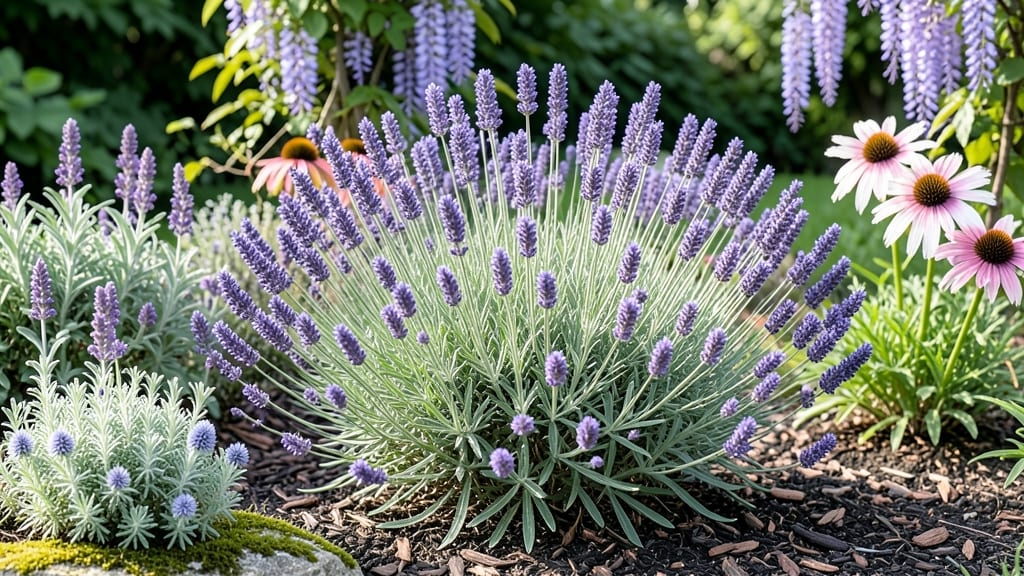
Creating an enchanted garden colors palette is like painting with nature’s most vibrant hues—where every bloom feels like a brushstroke in a fairy tale.
Picture this: a garden that shifts seamlessly from spring’s soft lavenders to summer’s fiery reds, all while buzzing with bees and fluttering with butterflies. The magic isn’t just in the colors—it’s in how they work together to turn your yard into a pollinator paradise year-round.
You don’t need a green thumb or a bottomless budget to pull this off. With the right plant pairings—think dwarf marigolds and compact roses—you can layer textures and shades that dazzle the eye while keeping maintenance simple. Even in Zone 6a, these seasonal schemes thrive.
Below, I’ll walk you through five foolproof palettes, from spring’s dreamy purples to fall’s golden glows, plus the low-maintenance plants that make it all happen without the hassle.
Seasonal color palettes that magically attract pollinators year-round
Creating an enchanted garden isn’t just about aesthetics—it’s about crafting a living tapestry that whispers to bees, hums for butterflies, and sparkles for hummingbirds. The key? Seasonal color palettes that mirror nature’s pollinator preferences while keeping your garden looking like a fairy’s dream.
Each season offers its own magical palette, carefully curated to attract winged visitors while ensuring your space remains vibrant and lively.
Spring awakens with soft purples, blues, and whites, colors that signal to pollinators it’s time to feed. Summer bursts with bright yellows, oranges, and reds, while fall deepens into golden hues and rich burgundies.
Even winter, often overlooked, can shine with silver foliage and deep evergreens to sustain late-season pollinators. Let’s dive into the seasonal color schemes that will transform your garden into a year-round pollinator paradise.
Spring’s pastel palette is a magnet for early pollinators like bees and butterflies emerging from hibernation. Pair lavender’s calming purple with foxglove’s dramatic spikes to create vertical interest while providing nectar.
Add crocus for ground cover and violets for delicate touches—both are pollinator favorites that bloom early, giving your garden a head start.
Summer demands bold, high-contrast colors to attract hummingbirds and bees. Black-eyed Susans and coneflowers offer long-lasting blooms in sunny yellows and purples, while bee balm adds a splash of red that hummingbirds can’t resist.
Don’t forget sunflowers—their towering stems provide both food and perches for pollinators while adding a whimsical, fairy-tale touch to your garden.
Fall’s warm, earthy tones create a cozy atmosphere while supporting late-season pollinators. Goldenrod and asters are must-haves—their bright blooms feed bees and butterflies as they prepare for winter. Russian sage adds a touch of purple haze, while sedum provides late-season nectar and striking foliage.
These plants ensure your garden remains a pollinator haven even as temperatures drop.
Winter might seem like a quiet season, but it’s still magical with the right silver and evergreen palette. Ornamental grasses sway in the breeze, catching snowflakes like tiny crystals, while hellebores and winter jasmine offer early blooms for pollinators still active.
These plants add texture and movement, keeping your garden enchanting even in the coldest months.
To make your enchanted garden truly functional, mix tall plants like sunflowers with mid-height blooms such as bee balm, and low-growing ground covers like thyme. This layering creates a pollinator-friendly pathway while ensuring every visitor has access to nectar at their preferred height.
Plus, it adds depth and visual interest to your garden’s design.
Don’t forget to include native plants wherever possible—they’ve evolved alongside local pollinators and offer the most reliable food sources. For example, purple coneflower thrives in many regions and is a favorite of bees and butterflies.
By blending native species with your chosen color palette, you’ll create a garden that’s both beautiful and ecologically beneficial.
With these seasonal color palettes, your garden will become a year-round sanctuary for pollinators while remaining a breathtaking visual spectacle. The magic lies in the harmony between color, plant selection, and pollinator needs—so let your creativity bloom! 🌸🐝🌿
How to layer colors for maximum pollinator enchantment and functionality
Creating a pollinator paradise starts with understanding how color combinations work together to attract different visitors. Bees are famously drawn to purples and yellows, while hummingbirds adore reds and oranges.
By layering these hues strategically, you’ll create a garden that’s not just beautiful but also highly functional for wildlife. The key is pairing complementary colors while considering plant heights to guide pollinators through your space.
Begin with a tall backdrop of deep purples like lavender or salvia, which bees find irresistible. In front, add bright yellows like black-eyed Susans or goldenrod to create a striking contrast.
For hummingbirds, incorporate red tubular flowers such as bee balm or cardinal flower at mid-height, ensuring they’re easily accessible. This vertical layering not only enhances visual appeal but also creates a natural flight path for pollinators.
Enchanted Color Layering Strategies
| Strategy | Pros | Cons |
|---|---|---|
| Purple + Yellow Combinations | Attracts bees and butterflies; visually striking | May overwhelm smaller pollinators if too bright |
| Red + Orange Pairings | Perfect for hummingbirds and bees; bold contrast | Can fade in heat; requires shade tolerance |
| White + Blue Combinations | Ideal for butterflies and late-season bees; calming effect | Less vibrant for hummingbirds; may blend into background |
| Vertical Height Layering | Guides pollinators through garden; adds depth | Requires regular pruning to maintain structure |
Don’t forget to incorporate shade-tolerant plants like heuchera or ajuga into your design. These foliage plants add texture and color while providing a cool refuge for pollinators during hot afternoons. Pair them with shade-loving flowers such as impatiens or fuchsia to keep the magic alive in partially shaded areas.
Bloom timing is another critical factor—plant early bloomers like crocuses or daffodils alongside late-season favorites such as asters or sedum to ensure a continuous feast for pollinators.
For a truly enchanted effect, add reflective surfaces like smooth stones or water features. These elements amplify the visual impact of your color layers while creating resting spots for tired pollinators.
Just be sure to place them where they won’t disrupt the natural flow of your garden’s pollinator pathways. With these strategies, your garden will become a vibrant, functional ecosystem that delights both the eye and the winged visitors it supports.
Experiment with seasonal swaps to keep your garden dynamic. Replace summer’s sunflowers and coneflowers with fall’s marigolds and chrysanthemums, then introduce winter’s hellebores and witch hazel for late-season interest. This rotating palette ensures your garden remains a pollinator hotspot year-round while keeping the visual magic alive through every season.
Remember, the goal is to create a harmonious balance between beauty and functionality. By thoughtfully combining colors, heights, and bloom times, you’ll craft a garden that feels like stepping into a fairy tale—where every visit reveals new wonders for both you and your pollinator friends. 🌸🐝🌿