
Size
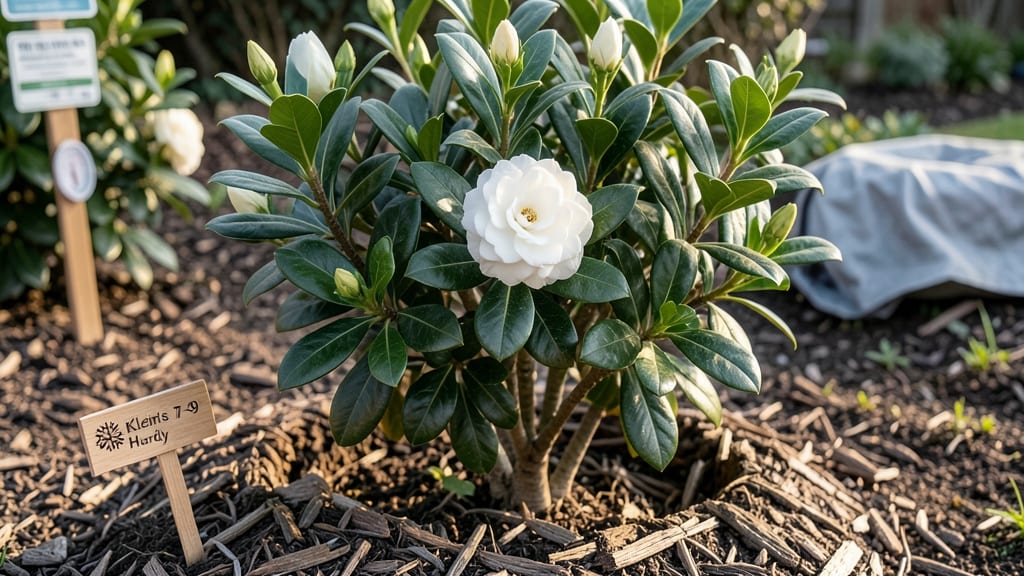
Frost-proof gardenia height depends on the right pruning and cold-hardy varieties — and you can keep them compact while surviving Zone 6 winters with these proven strategies.
Picture this: your 🌸 gardenia thrives for years, blooming reliably even after a late frost, all while staying at a manageable 3-4 feet tall. The secret isn’t just choosing the right cultivar—it’s knowing when and how to prune to encourage bushier, frost-resistant growth.
Cold winters don’t have to mean sacrificing your gardenia’s size or health. With the right techniques, you can protect roots, shape growth, and even revive plants that’ve taken frost damage—without losing that lush, fragrant foliage you love.
In this guide, I’ll walk you through selecting the best frost-resistant varieties, the exact pruning schedule to maintain your desired height, and how to mulch and cover plants for maximum cold protection.

How frost-proof gardenia height varies by cultivar and climate zones
If you love the intoxicating fragrance of gardenias but live in a frost-prone region, you’re not out of luck. Frost-resistant cultivars like Gardenia jasminoides ‘Kleim’s Hardy’ can thrive in USDA zones 7-9 with proper care.
Their mature height varies dramatically—from compact 3-foot shrubs to towering 6-foot specimens—depending on the variety and your local climate.
Understanding these differences helps you choose the right cultivar for your space while ensuring it survives winter. For example, ‘Radicans’ stays low and bushy, while ‘Veitchii’ reaches impressive heights. Let’s break down how each cultivar performs in different zones and how to prune them for optimal frost resilience.
⚠️ NON-NEGOTIABLE: Frost-proof gardenias need acidic soil (pH 5.0-6.0) and well-draining conditions to avoid root rot during winter. Skipping these basics will stunt growth and weaken cold tolerance.
In USDA zone 7, where frost can dip below 0°F (-18°C), ‘Kleim’s Hardy’ is your best bet. This cultivar matures at 3–4 feet and handles light frosts better than most.
Prune it lightly after flowering to maintain its compact shape and improve air circulation—critical for preventing fungal issues during damp winters.
For zone 8, where winters are milder (10–20°F (-12 to -7°C)), you can grow taller varieties like ‘Veitchii’, which reaches 4–6 feet. However, its height makes it vulnerable to wind damage.
Stake young plants and prune to remove weak, leggy growth that freezes easily. Mulch heavily (4+ inches) to insulate roots.
In zone 9, where frost is rare (25–30°F (-4 to -1°C)), even standard gardenias thrive without heavy winter care. But if you’re pushing the limits in zone 9a, opt for ‘Radicans’, a naturally dwarf variety that stays under 3 feet.
Its dense growth habit makes it highly resistant to frost creep, the slow damage caused by repeated freeze-thaw cycles.
Pruning plays a critical role in managing height while boosting frost resilience. In late winter (just before buds swell), cut back dead or damaged branches to 1/3 their length.
Avoid heavy pruning in fall—this stresses plants and reduces their ability to harden off before winter. Instead, focus on shaping in spring after the last frost.
One common mistake is assuming all frost-proof gardenias are low-maintenance. Even hardy varieties need regular mulching and acidic soil amendments to perform well.
For example, ‘Fortuniana’, which grows 3–5 feet, benefits from annual pruning to remove sucker growth—otherwise, it can become top-heavy and prone to winter breakage.
If you’re in zone 7b or colder, consider growing gardenias in containers for added frost protection. Move pots to a sheltered location or garage before temperatures drop below 20°F (-7°C).
This method works especially well for ‘Kleim’s Hardy’, which stays 3–4 feet tall but can be pruned to 2 feet for patio-friendly size.
For maximum frost resistance, pair your gardenia with protective mulch (pine bark or straw) and a lightweight frost blanket on cold nights. These steps ensure
Step-by-step pruning guide to maintain frost-proof gardenia height
Pruning your frost-proof gardenia isn’t just about controlling its height—it’s about strengthening its resilience against winter chill. When done correctly, pruning encourages bushier growth while preserving the plant’s natural cold hardiness. The key is timing: late winter or early spring, just before new growth begins.
This approach ensures you’re not cutting back frost-damaged branches too early, which can expose tender wood to freezing temperatures.
Before you grab your shears, gather the right pruning tools. A sharp pair of bypass pruners for clean cuts and a sterilized saw for thicker branches are essential.
Always disinfect your tools with rubbing alcohol to prevent spreading disease between cuts. Gardenia leaves are sensitive to bacterial infections, so cleanliness is critical. I also recommend wearing gloves—gardenia sap can irritate skin, and you’ll want to keep your hands protected during the process.
Step-by-Step Pruning Process
-
Step 1: Remove Dead or Damaged Branches
Start by inspecting your gardenia for frost-damaged wood. Look for branches that are brown, brittle, or show signs of dieback. Cut these back to healthy green tissue using a 45-degree angle to encourage faster healing.
-
Step 2: Shape the Plant for Airflow
Thin out overcrowded branches to improve airflow, which reduces humidity-related diseases. Aim to remove no more than 25% of the plant’s foliage in one session to avoid stressing the gardenia. Focus on branches growing inward or crossing others.
-
Step 3: Control Height with Strategic Cuts
To maintain a compact height, prune the tallest stems back by about one-third. Cut just above a leaf node or bud to encourage new growth. Avoid cutting too close to the base, as this can weaken the plant’s frost resistance.
-
Step 4: Encourage Bushier Growth
Pinch back the tips of young shoots in late spring to promote lateral branching. This technique creates a fuller, more frost-resistant bush by distributing energy across multiple stems rather than letting the plant grow tall and leggy.
-
Step 5: Clean Up and Mulch
After pruning, remove all clippings and dispose of them properly to prevent disease. Apply a 2-3 inch layer of mulch around the base of the plant to insulate roots and retain moisture. Use organic mulch like pine bark or shredded leaves, which also acidify the soil slightly.
Timing your pruning is just as important as the technique. For frost-proof gardenias, late winter (just before buds swell) or early spring (after the last frost) are ideal. Avoid pruning in fall, as new growth stimulated by pruning won’t have time to harden off before winter.
If you live in USDA Zone 7 or colder, wait until late April or early May to ensure no late frosts will damage fresh cuts.
One common mistake is over-pruning, which weakens the plant’s ability to withstand frost. Gardenias are naturally slow growers, so aggressive cuts can stress them and reduce their cold hardiness. Limit yourself to one major pruning session per year, with light shaping in summer if needed.
Always step back and assess the plant’s structure—aim for a balanced, open shape that allows sunlight and air to reach all parts of the shrub.
After pruning, monitor your gardenia closely for signs of stress or disease. Yellowing leaves or bud drop can indicate over-pruning or environmental issues. If you notice these symptoms, reduce watering slightly and avoid fertilizing until the plant shows new growth.
With the right approach, your frost-proof gardenia will reward you with compact, healthy growth and stunning blooms year after year.