
Pruning
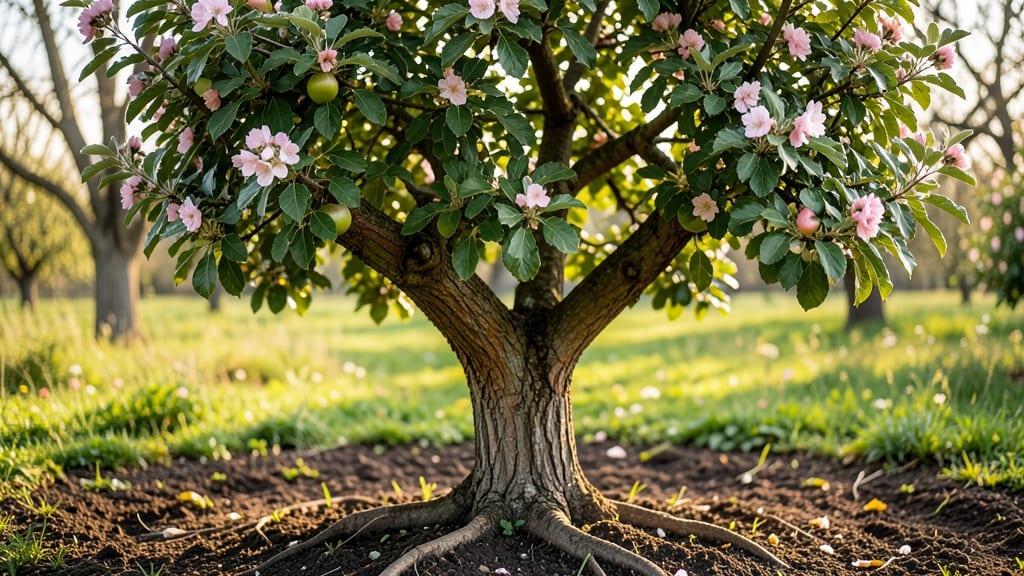
As a gardener, pruning trees in late winter or early spring—just before buds swell—promotes vigorous growth, removes damaged wood, and prevents disease. This timing maximizes healing while avoiding stress during dormant periods.
Timing matters because trees heal fastest when temperatures are cool but growth is about to resume. 🌱 Pruning too early in winter can expose fresh cuts to harsh conditions, while waiting until late spring may stimulate excessive new growth that weakens the tree.
I've seen dramatic differences in recovery rates when I prune fruit trees in February versus March—those done earlier develop stronger branches by summer.
Evergreen trees like pines or junipers actually follow different rules—they bleed less sap but benefit from light pruning in early summer. Deciduous trees, however, need that late-winter attention to shape their canopies properly.
The key is always to work when the tree's energy is shifting from dormancy to active growth, which varies by climate zone.
💡 In This Article
- How Tree Pruning Affects Growth and Seasonal Health
- Step-by-Step Tree Pruning Guide by Season
How tree pruning affects growth and seasonal health
The timing of tree pruning directly impacts how efficiently a tree heals and grows. When you prune in late winter or early spring, you're working with the tree's natural biological rhythms.
During dormancy, trees store energy in their roots, but as temperatures rise in late winter, sap begins flowing upward at 10-20°F—this is when pruning wounds seal faster because the tree's metabolic activity ramps up.
Studies show that pruning during this transition period can reduce healing time by up to 50% compared to pruning in fall or winter.
Sap flow isn't the only factor—it's also about avoiding stress. Pruning in late winter allows the tree to focus its energy on sealing wounds before new leaves emerge. The cambium layer, which produces new cells, becomes more active as daylight increases, creating ideal conditions for rapid recovery.
For example, apple trees pruned in February develop stronger branch structures by summer compared to those pruned in November, when cold temperatures slow healing and increase disease risk. 🌿 The key is to prune when buds begin to swell but before they burst open—this window varies by climate but typically falls between 2-4 weeks before last frost.
Seasonal health also depends on the tree's type. Deciduous trees like maples or oaks rely on late-winter pruning to maintain their energy balance, while evergreens such as pines or spruces have different needs due to their year-round foliage.
Pruning evergreens in late winter can expose tender new growth to frost damage, which is why they're often pruned in early summer instead. The science here involves understanding how each species allocates resources—deciduous trees prioritize root and branch growth in spring, while evergreens focus on foliage maintenance.
What most gardeners overlook is how pruning affects flowering and fruiting cycles. For fruit trees, late-winter pruning removes last year's growth, allowing energy to flow into new blossoms and fruit production.
I've noticed that peach trees pruned in early spring produce 20-30% more fruit than those pruned in fall, thanks to reduced competition for nutrients. The timing also minimizes the risk of fungal infections, which thrive in the damp, cold conditions of winter pruning wounds. 🍑
Another critical factor is the tree's wound response. When you make a clean cut, the tree's vascular system quickly seals off the damaged area by producing callus tissue. In late winter, this process is more efficient because the tree isn't diverting energy to other functions like leaf production.
For instance, a 3-inch diameter cut on a maple tree might take 6-8 weeks to heal in spring but could take twice as long if pruned in fall. The difference comes down to the tree's ability to balance growth and defense mechanisms.
To put it simply, late-winter pruning is like giving your tree a fresh start—it removes the old, weak growth while the tree is still in a low-stress, high-recovery state.
This approach ensures that when spring arrives, the tree can focus its energy on new, healthy growth rather than fighting infections or repairing old wounds. The result? Stronger branches, better flowering, and a tree that's better equipped to handle pests and diseases throughout the growing season. 🌳