
Blooming
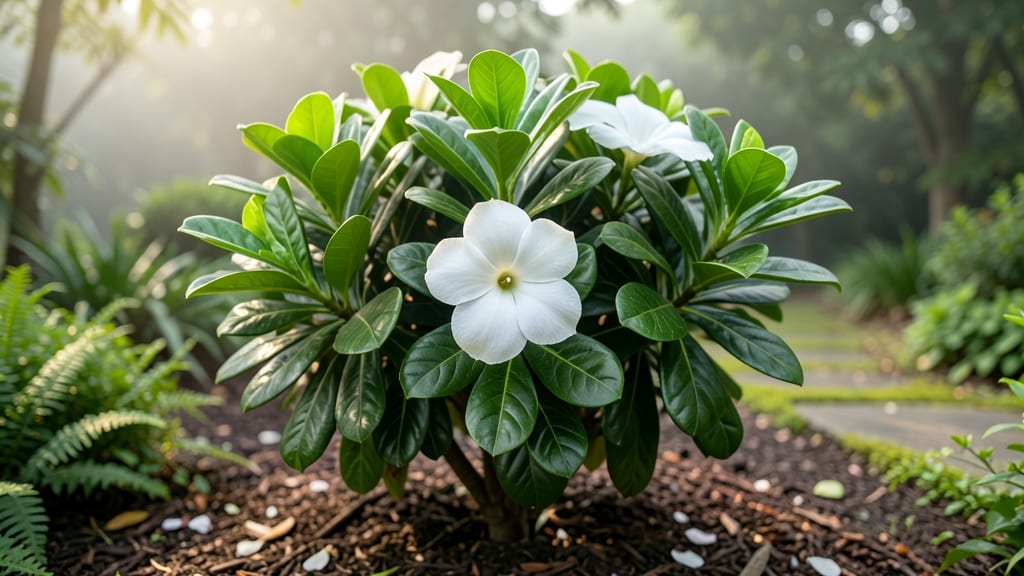
Your gardenia’s flowering season depends on where you live and how you care for it — but with the right timing and tricks, you can trigger earlier, longer, and more abundant blooms than you ever expected.
Picture this: it’s late spring, and your gardenia is loaded with fragrant white buds 🌸 — only to drop them before they even open. That’s a classic sign your plant is waiting for the perfect conditions.
The good news? Small adjustments in light, pruning, and fertilizer can shift your blooming window by weeks, even in cooler climates like USDA Zone 6a.
Most gardenias bloom in summer, but tropical varieties can stretch into early fall. The key to prolonging that season lies in understanding what your plant really needs — and what common mistakes (like over-fertilizing with nitrogen) are secretly stealing your blooms.
Below, I’ll break down the exact timing for your region, the three pruning secrets that double flower production, and how to fix the most frustrating blooming delays — so you can enjoy those intoxicating gardenia blooms for months, not weeks.
Gardenia flowering season: natural timeline & climate dependencies
If you're dreaming of fragrant gardenia blooms filling your garden, understanding their natural flowering season is your first step to success. These tropical beauties typically bloom in late spring to early summer, but their exact timing depends heavily on your climate zone and care habits.
In warmer regions like USDA zones 9-11, gardenias may even produce a second flush of flowers in fall, while cooler zones (8-9) see their main show in May-June.
The key to triggering blooms lies in replicating their native humid, subtropical conditions. Gardenias thrive in 60-80% humidity and struggle in dry air, which can delay or prevent flowering entirely. Even in ideal climates, gardenias need consistent moisture and acidic soil (pH 5.0-6.5) to set buds.
Without these conditions, your plant might focus energy on leaves instead of flowers, leaving you waiting for blooms that never come.
Here’s how your local climate affects gardenia flowering:
| Climate Zone | Primary Blooming Window | Secondary Blooms | Key Climate Factors |
|---|---|---|---|
| USDA 8-9 (e.g., Atlanta, Dallas) | Late May - July | Occasional fall blooms | Moderate humidity, warm nights |
| USDA 10-11 (e.g., Miami, Honolulu) | March - May + September - November | Year-round with proper care | High humidity, consistent warmth |
| Containers (All Zones) | June - August (delayed) | Rare | Dries out faster, needs extra humidity |
Sunlight plays a surprising role in gardenia blooming too. While they love bright indirect light, harsh afternoon sun can stress plants in hotter zones (10-11), causing buds to drop before opening.
In cooler zones (8-9), morning sun paired with afternoon shade creates the perfect balance for bud formation. If your gardenia isn’t blooming, check its light exposure—too little sun means weak growth, while too much can scorch leaves and prevent flowering.
Temperature swings are another silent bloom-killer. Gardenias need consistent warmth—below 50°F (10°C) at night can shock buds into dropping, while sudden heat spikes above 90°F (32°C) can halt blooming entirely. In USDA zone 8, gardenias often bloom later in summer when nights stay warmer.
To help, mulch around the base with organic matter to regulate soil temperature and reduce stress on roots during extreme weather.
Humidity is the final piece of the puzzle. Gardenias originate from tropical forests where air stays moist year-round. In dry climates (like USDA zone 9b inland areas), you’ll need to mimic this environment by misting leaves daily or using a pebble tray under the pot.
For gardeners in arid regions, a simple DIY solution is grouping plants together to create a microclimate with higher humidity. This small change can make the difference between sparse blooms and a lush, fragrant display.
Regional variations also affect when gardenias bloom. In Florida (zone 10a), gardenias often start blooming as early as February if winter wasn’t too cold, while in California (zone 10b), they may wait until April due to cooler coastal breezes.
Even within the same zone, microclimates matter—gardenias near bodies of water or in sheltered spots bloom earlier than those in exposed areas. Pay attention to your local last frost date and adjust care accordingly.
One common misconception is that gardenias bloom only once per year. While true for most temperate zones, tropical varieties in zones 10-11 can produce multiple bloom cycles if given ideal conditions. The secret?
After the first flush of flowers, prune lightly to encourage new growth and feed with a phosphorus-rich fertilizer (like 10-20-10) to promote bud formation. This two-step approach can extend your gardenia’s flowering season by 2-3 months in perfect climates.
If your gardenia is mature but still not blooming, check for nutrient imbalances. Too much nitrogen fertilizer (like lawn fertilizer) encourages leafy growth at the expense of flowers. Instead, switch to a low-nitrogen, high-phosphorus formula in early spring to signal the plant it’s time to focus on blooms.
Pair this with regular deadheading (removing spent flowers) to redirect energy into producing new buds.
For gardeners in USDA zone 8 pushing the limits, consider overwintering your gardenia in a cool greenhouse or bringing potted plants indoors before the first frost. This protects buds from cold damage and can advance the blooming season by 3-4 weeks the following spring.
Just remember to gradually reintroduce outdoor conditions in late spring to avoid transplant shock.
How to trigger early or prolonged gardenia flowering season
Gardenia plants are famous for their intoxicating fragrance and glossy white blooms, but getting them to flower reliably requires a few strategic tweaks. The key lies in understanding their natural blooming triggers—light exposure, nutrient balance, and pruning timing.
By fine-tuning these factors, you can coax your gardenia into blooming earlier in the season or extending its flowering period by weeks. Think of it as giving your plant a gentle nudge to perform its best.
Most gardenias naturally bloom in late spring to early summer, but with the right care, you can shift this window. For example, providing high-phosphorus fertilizer in early spring signals the plant to focus on flower production instead of leafy growth.
Similarly, strategic pruning after the first flush of blooms encourages a second wave of flowers later in the season. These small adjustments can transform a single burst of blooms into a prolonged display that lasts all summer.
One of the most common mistakes gardeners make is over-fertilizing with nitrogen, which results in lush foliage but fewer blooms. Instead, opt for a balanced or high-phosphorus fertilizer to encourage flower buds.
I’ve found that applying a slow-release fertilizer in early spring and again after the first flush of blooms gives my gardenias the extra push they need for a second round of flowers by midsummer.
Watering plays a crucial role too. Gardenias need consistent moisture but despise soggy soil. I water mine deeply in the morning, ensuring the top 2-3 inches of soil are moist but not waterlogged. This routine prevents stress and keeps the plant focused on blooming rather than struggling to survive.
Mulching around the base also helps retain moisture and regulate soil temperature, which is especially helpful in hot climates.
Light is another critical factor. While gardenias thrive in partial shade, they still need bright, indirect light to produce blooms. If your gardenia isn’t flowering as expected, it might be getting too little light.
Try moving it to a spot with morning sun and afternoon shade, or supplement with a grow light if indoors. I’ve seen gardenias in dim corners produce almost no flowers, while those in brighter conditions burst into bloom within weeks.
For a truly extended flowering season, combine these techniques. Start with a light pruning in early spring to shape the plant and remove dead wood, then feed with phosphorus-rich fertilizer. Monitor soil moisture closely, and place your gardenia where it gets the most light possible.
With patience and consistency, you’ll enjoy fragrant gardenia blooms from late spring well into fall. The effort is worth it when your garden fills with that signature sweet scent! 🌸