
Picking
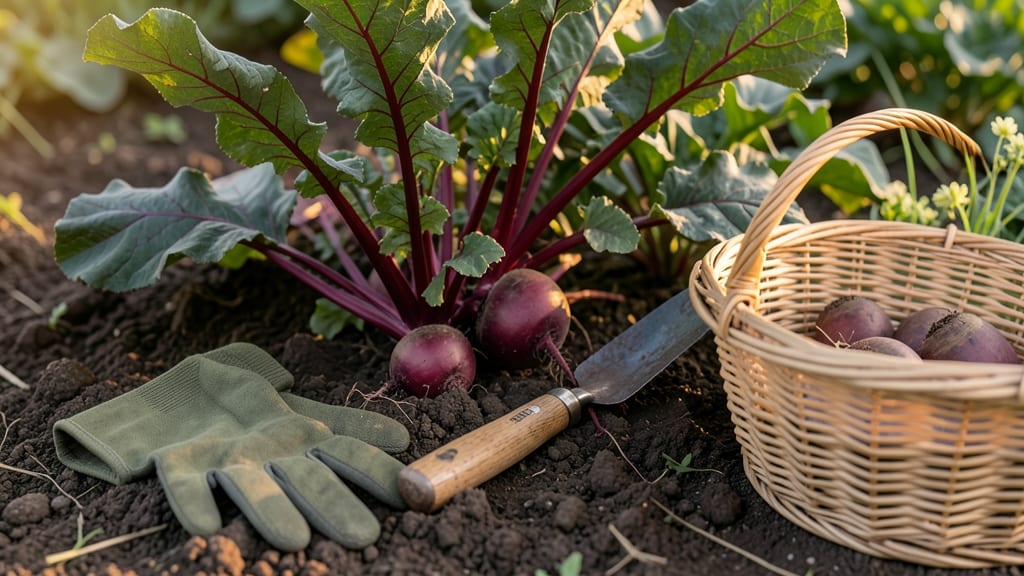
To pick beetroot from the garden at just the right moment means capturing that perfect balance of sweetness and tenderness 🍠—before they turn woody or lose flavor.
Harvesting beetroot at the wrong time can turn your sweet, earthy rewards into tough, woody disappointments—here’s how to spot the perfect moment for picking.
Look for roots that are 1-3 inches in diameter with vibrant, glossy skin and leaves about 4-6 inches tall. The soil should also feel loose around the base, making it easier to pull without damage.
In this guide, you’ll learn the 3 unmistakable signs of peak ripeness, how seasonal timing affects flavor, and what happens if you wait too long—or pick too soon.


3 Unmistakable signs your beetroot is ready for harvest
There's nothing quite like the satisfaction of pulling a perfectly ripe beetroot from your garden—juicy, sweet, and vibrant. But timing is everything! Harvest too early, and you'll get tiny, underdeveloped roots.
Wait too long, and you risk woody, fibrous beets that lose their signature flavor. The key lies in spotting these three visual and tactile cues that scream "pick me now!"
Most gardeners focus only on size, but the true test of ripeness combines multiple factors: root diameter, leaf health, and even soil resistance. I’ve learned the hard way that ignoring these signs leads to disappointing harvests.
Let’s break down exactly what to look for so you can enjoy beets at their peak sweetness.
🌱
Numbered Highlights: How to Know When to Pick Beetroot
-
1. Root Diameter: 1-3 Inches
Use a ruler to check root size—ideal harvest occurs when roots reach 1-3 inches in diameter. Smaller than 1 inch? They’re still growing. Larger than 3 inches? They may become woody. -
2. Leaf Health: 4-6 Inches Tall & Vibrant
Healthy leaves should be 4-6 inches tall, deep green, and free of yellowing or holes. Wilting or discolored leaves signal stress or overmaturity. -
3. Soil Resistance: Firm but Loose
Gently squeeze the soil near the root—it should feel firm but give slightly. If it’s rock-hard, the beet is underdeveloped. If it crumbles easily, the beet may have split or rotted. -
4. Skin Texture: Firm & Glossy
Run your thumb over the exposed root (if visible). Perfect skin feels smooth and slightly glossy. Dull or wrinkled skin means the beet is past its prime. -
5. Sweetness Test: The Finger Trick
Without digging up the whole plant, gently press a finger into the soil near the root. If the beet resists slightly but doesn’t feel hard, it’s likely sweet and ready. A hollow sound when tapped is another green light!
Pro tip: For golden or chioggia varieties, the rings or colors will deepen as they ripen. Don’t wait until the colors fade—harvest when they’re most vibrant! I once left my striped beets too long, and the colors washed out completely, ruining their visual appeal and sweetness.
Seasonal timing also plays a role. In spring plantings, aim for harvest between 50-60 days after sowing. For fall plantings, watch for these signs by late summer to early autumn, as cooler temps enhance sweetness.
I’ve found that beets grown in 60-70°F soil develop the best flavor, so adjust your planting schedule if your climate runs hotter or colder.
One mistake I’ve seen gardeners make is relying only on days to maturity listed on seed packets. While these are helpful, they’re not foolproof—soil conditions, rainfall, and variety differences can shift the timeline.
Always verify with these visual cues to avoid disappointment. For example, my Detroit Dark Red beets often mature faster in loose, sandy soil compared to clay-heavy ground.
If you’re unsure whether to harvest, grab a handful of beets and test one. Cut it open—if the center is a rich, deep color (not pale) and the texture is firm but tender, you’ve nailed it!
Save the rest for storage or cooking. Overripe beets can still be used in soups or roasted, but their flavor and texture won’t be as impressive as when picked at peak ripeness.
🌿
Remember, beetroot is one of those versatile vegetables that rewards patience. By mastering these signs, you’ll consistently harvest beets that are sweet, tender, and packed with flavor. Next time you’re in the garden, take a moment to check these cues—your taste buds will thank you!
How long does it take for beetroot to reach harvest time?
Beetroot harvest times vary by variety, but most gardeners can expect to wait between 45 to 70 days from planting to harvest. Understanding these timelines helps you plan for a steady supply of these earthy delights.
Cooler soil temperatures slow growth, while warmer conditions speed it up—so adjust your expectations based on your local climate.
For example, red beetroot varieties like Detroit Dark Red typically mature in 50 to 60 days, while golden beetroot such as Golden Chicago often reach harvest readiness in 45 to 55 days. Chioggia beetroot, known for their striped patterns, usually take 55 to 70 days to fully develop.
These differences mean you can stagger plantings to enjoy fresh beets throughout the growing season.
Soil temperature plays a critical role in beetroot growth. Beets thrive in soil that’s at least 50°F (10°C), but ideal conditions are between 60–75°F (15–24°C). If your spring soil is still chilly, consider using row covers or waiting until late spring to plant.
Conversely, in hot climates, sow seeds in early spring or late summer to avoid bolting—when beetroot prematurely flowers and becomes woody.
To extend your harvest season, try successive plantings every 2–3 weeks. This method ensures a continuous supply of fresh beets, whether you’re growing in containers or garden beds. For example, plant your first batch in early spring, then follow up with additional seeds in late spring and early summer.
This way, you’ll have beets ready for harvest from late spring through fall.
If you’re growing in cooler climates, focus on early-maturing varieties like Boltardy or Cylindra, which tolerate lower temperatures better. In warmer regions, prioritize heat-tolerant varieties such as Ruby Queen or Touchstone Gold.
Always check seed packets for days-to-maturity guidelines to tailor your planting schedule to your local growing zone.
Once you’ve planted, monitor your beets closely. The leaves should be 4–6 inches tall and vibrant, while the roots should reach 1–3 inches in diameter. If you notice the top of the root is just below the soil surface, it’s time to harvest.
Waiting too long can lead to woody, tough roots, while harvesting too early results in small, underdeveloped beets.