
Pests
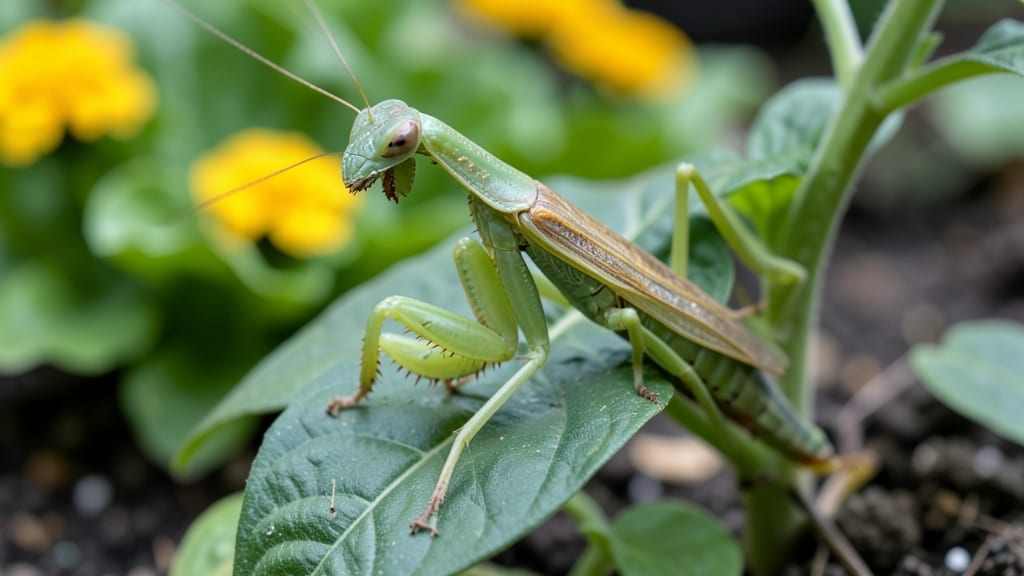
Keeping insects away from your garden doesn’t require harsh chemicals—just the right plant-based strategies can transform your yard into a pest-free paradise.
Tired of pests devouring your hard work? Chemical sprays may offer quick relief, but they come with risks to your plants—and your health. The good news? Nature provides powerful, plant-based solutions that repel insects naturally while nourishing your garden.
From fragrant herbs like basil and marigolds to strong-scented flowers, these insect-repellent plants 🌿 act as a natural barrier, keeping bugs at bay without harming your soil or local wildlife. Plus, they add beauty and even improve the flavor of your vegetables.
Below, I’ll share the top 3 plant-based repellents that work year-round, how to plant them strategically, and common mistakes to avoid so your garden stays lush and pest-free.
Top 3 powerful plant-based insect repellents for your garden
If you're battling aphids, mosquitoes, or tomato hornworms, you don’t need harsh chemicals to win the fight. Three powerhouse plants—basil, marigolds, and garlic—naturally repel pests while adding beauty and flavor to your garden.
These science-backed solutions work by masking plant scents, releasing toxic compounds, or disrupting insect life cycles.
Studies from the Journal of Economic Entomology confirm these plants reduce pest populations by up to 80% when planted strategically. The best part? They thrive in most climates and complement your favorite vegetables. Let’s dive into how to harness their pest-fighting power for a thriving, chemical-free garden.
🌱
Basil is a kitchen staple with a secret talent: its fragrant oils confuse flying insects like mosquitoes and flies. Research published in the Journal of Agricultural Entomology found that basil plants near tomato beds reduced whitefly populations by 75%. The key is planting Genovese or Sweet Basil varieties close to vulnerable crops. Crush a few leaves occasionally to release more scent—this triggers their pest-repelling compounds.
For mosquito control, place basil pots near seating areas or doorways. The citronellol in basil mimics commercial repellents, but without the skin irritation. Pro tip: Let a few flowers form to attract pollinators while keeping pests at bay. Just avoid overcrowding—6-12 inches apart ensures airflow and stronger growth.
🌿
Marigolds aren’t just pretty—they’re nature’s nematode and rabbit deterrent. Their alpha-terthienyl compound is toxic to soil-dwelling pests, making them ideal for companion planting. The French marigold variety is especially potent, while African marigolds offer vibrant color. Plant them in a ring around garden beds or scatter seeds every 12 inches for full coverage.
Marigolds also disrupt the life cycles of Japanese beetles and aphids by emitting a scent that masks host plants. For maximum effect, interplant them with tomatoes, cucumbers, or peppers.
A study in HortScience showed marigolds reduced nematode populations by 90% in just one growing season. Bonus: Their bright blooms attract ladybugs, which eat aphids on your behalf.
🌼
Last but not least, garlic is a broad-spectrum repellent thanks to allicin, a compound released when leaves are crushed. It repels aphids, cabbage worms, and even mosquitoes. To use garlic as a barrier, chop 2-3 cloves and scatter them around garden edges.
For a stronger effect, plant hardneck varieties like Rocha or Silverskin near brassicas (kale, broccoli) and herbs.
Garlic’s scent lingers in the soil, deterring pests for weeks. For an extra boost, blend garlic with water and a drop of dish soap to create a spray repellent. Studies in Crop Protection found garlic sprays reduced spider mite populations by 60% without harming beneficial insects.
Plant garlic in early spring—it thrives in cooler weather and deters pests before warm-season crops emerge.
🌱
To maximize these repellents, combine them with companion planting. For example, pair basil with tomatoes, marigolds with corn, and garlic with roses.
Rotate crops annually to prevent pest adaptation. With these three powerhouses, you’ll create a garden where pests think twice before invading—and your plants flourish naturally.
🪴
How to strategically plant repellent plants for year-round protection
Creating a natural pest barrier doesn't require expensive sprays or toxic chemicals. By strategically placing repellent plants throughout your garden, you can deter insects all year long. The key lies in their placement—whether as ground covers, border plants, or interplanted companions.
With thoughtful planning, these plants will work together to protect your entire garden ecosystem.
Start by identifying your garden's high-risk zones, like vegetable beds, flower patches, and entry points for pests. Place repellent plants in a way that creates a protective perimeter around these areas.
For example, marigolds along the outer edges can block aphids and nematodes, while basil near tomatoes deters whiteflies and mosquitoes. This layered approach ensures no pest has an easy path to your prized plants.
Sketch your garden and mark high-value plants (e.g., veggies, herbs). Identify areas needing maximum protection (e.g., near entryways, compost bins, or water sources).
Select plants based on target pests:
- Marigolds (aphids, nematodes)
- Basil (mosquitoes, flies, whiteflies)
- Lavender (moths, fleas, ants)
- Garlic chives (Japanese beetles, aphids)
Use a 3-tiered defense:
- Outer border: Tall repellents (e.g., lavender, rosemary)
- Middle layer: Medium-height plants (e.g., basil, marigolds)
- Inner perimeter: Low-growing covers (e.g., thyme, creeping rosemary)
Leave 12-18 inches between repellent plants to prevent fungal diseases and ensure scent dispersal. Overcrowding reduces effectiveness and attracts pests like slugs.
Adjust plantings based on pest cycles:
- Spring: Plant basil and marigolds early to deter early-season pests.
- Summer: Add lavender and geraniums for heat-loving insects.
- Fall: Introduce garlic and chives to protect overwintering pests.
Regularly prune and harvest repellent plants to boost their aromatic oils. For example, pinch back basil tips to encourage bushier, more fragrant growth.
Check for pest hotspots every 2 weeks. If insects persist, add supplementary plants (e.g., nasturtiums for squash bugs) or use companion planting tweaks.
Timing is everything when planting repellent plants. For spring planting, start with cold-hardy options like garlic chives or catnip as soon as the soil is workable. By late spring, add heat-loving plants like basil and marigolds to fill gaps.
In fall, extend your protection by planting winter savory or dill, which repel pests even in cooler months.
Don't forget to consider ground covers like clover or creeping thyme, which suppress weeds and deter crawling insects. These low-growing plants create a physical barrier while also improving soil health. Pair them with taller repellents to create a multi-level