
Container Gardens
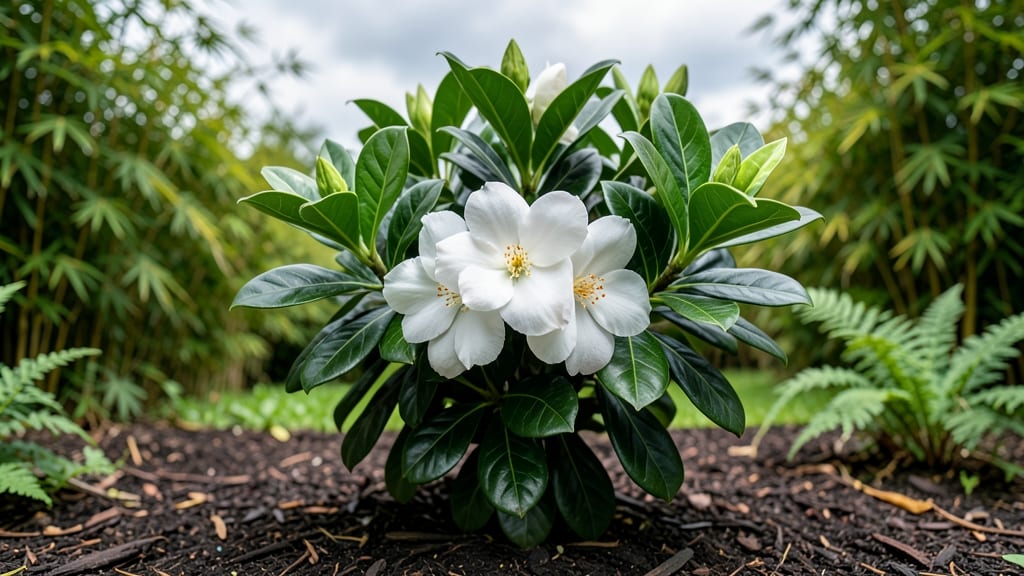
Growing gardenias in the right USDA zone is your first step to fragrant, year-round blooms that fill your yard with that signature creamy perfume 🌸.
If you’ve ever dreamed of waking up to the intoxicating scent of gardenias in your backyard, knowing the right growing zone could make or break your success—these tropical beauties are picky about where they thrive.
Gardenias love warmth and humidity, which is why they shine in zones 9b and above, but with the right tricks, you can coax them into blooming even in cooler climates like 6b or 7a.
Below, I’ll break down the exact zones where gardenias thrive, how to protect them from frost, and whether container growing is your best bet if you’re outside their ideal range.
USDA growing zones for gardenias: where they flourish best
Gardenias are the crown jewels of fragrant shrubs, but their tropical roots mean they demand the right climate to thrive. These USDA hardiness zones 7-11 plants love warmth and humidity, making them perfect for coastal areas, southern states, and frost-free regions.
Without proper zone alignment, you risk stunted growth or lost blooms—so let's dive into where they shine brightest and how to adapt for cooler climates.
Native to tropical Asia and Australia, gardenias crave consistent warmth above 20°F (-7°C). In their ideal zones (7-11), they reward gardeners with glossy leaves and intoxicating blooms year-round.
But don't despair if you're in zone 6b or 6a—with the right strategies, you can still grow these beauties, just with extra winter care. Let's explore the perfect conditions first.
⚠️ CRITICAL FACT: Gardenias cannot tolerate frost. Even a single freeze will damage leaves and buds, often killing the plant if unprotected. This is why zones 7-11 are their natural sweet spot, where they can grow as perennial shrubs without winter stress.
In zones 7-8, gardenias can grow as perennials with minimal winter protection. The key is mulching deeply (6+ inches) with organic matter like pine straw or shredded leaves to insulate roots. For zone 7, wrap young plants in burlap or frost cloth when temperatures drop below 25°F (-4°C).
Even in these zones, expect some leaf damage in harsh winters, but the plant will bounce back with proper care.
Gardeners in zones 9-10 have it easiest—these are the ideal gardenia zones where they thrive without any winter stress. Here, you can plant them in full sun to partial shade (morning sun is best) and enjoy blooms from spring through fall.
Varieties like 'Veitchii' and 'Fortuniana' are particularly robust in these conditions, with 'Veitchii' even tolerating brief dips to 20°F (-7°C).
For those in zone 11, gardenias are tropical superstars. They love the humid, frost-free climate and can grow as large as 6 feet tall with proper care. The 'August Beauty' variety is a favorite here, producing double white blooms that perfume the air year-round.
Just ensure they get well-draining soil and acidic pH (5.0-6.5) to prevent root rot and nutrient deficiencies.
If you're in zone 6a or 6b, don't give up—gardenias can still thrive as container plants or with overwintering strategies. The 'Kleim's Hardy' variety is your best bet, as it's the most cold-tolerant gardenia available.
In containers, you can bring them indoors before the first frost (typically late October) and place them near a south-facing window or under grow lights during winter.
Microclimates play a huge role in expanding gardenia suitability. For example, a sheltered garden bed near a building or rock wall can create a warmer microclimate that's 5-10°F warmer than the surrounding area.
This can push gardenia growth into zone 6b where they might otherwise fail. Additionally, windbreaks help protect gardenias from drying winds, which are common in coastal zone 7 areas.
Soil preparation is just as critical as climate. Gardenias hate alkaline soil—they need acidic soil (pH 5.0-6.5) to thrive. If your native soil is too alkaline,
How to grow gardenias in cold zones (6a-6b): winter care tips
Living in USDA zones 6a-6b doesn’t mean you have to miss out on the fragrant beauty of gardenias. With the right winter care strategies, you can protect these tropical shrubs and enjoy their scented blooms year after year.
The key lies in understanding their cold sensitivity and adapting your approach to survive freezing temperatures.
Gardenias naturally thrive in zones 7-11, where frost is rare. However, gardeners in colder zones can still cultivate them successfully by using containers for mobility, applying protective mulching techniques, and providing temporary indoor overwintering when needed. These methods create a microclimate that mimics their ideal growing conditions.
⚠️ CRITICAL WARNING ⚠️ Frost damage is the #1 killer of gardenias in cold zones. Even a single 28°F night can devastate your plant.
Here’s what you MUST avoid: 🌱 Leaving potted gardenias outside during hard freezes 🌱 Using regular mulch (not enough insulation) 🌱 Skipping soil acidity checks (pH drops in winter) 🌱 Overwatering before dormancy (leads to root rot) Pro Tip: Monitor your local frost dates and prepare 2-3 weeks in advance!
For container gardening—the best option in cold zones—choose large, sturdy pots (at least 15 gallons) with drainage holes. Use a lightweight potting mix blended with perlite to prevent compaction.
When temperatures drop below 32°F, move containers to a protected location like an unheated garage or covered porch. Wrap pots in bubble wrap or frost blankets for extra insulation.
Mulching is your first line of defense for in-ground gardenias. Apply a 4-6 inch layer of pine straw or shredded leaves around the base (but not touching the stem). For added protection, top with straw bales or Christmas lights (they generate gentle heat).
In zone 6a, you may need to cover the entire plant with a frost cloth secured with bricks during extreme cold snaps.
When nighttime temperatures consistently drop below 30°F, it’s time for indoor overwintering. Prune your gardenia back by 1/3 to reduce stress, then pot it if it’s not already in a container.
Place it near a south-facing window where it gets bright indirect light (6-8 hours daily). Maintain 60-70°F temperatures and reduce watering to every 7-10 days—overwatering is a common winter killer.
With these winter care strategies, your gardenia will emerge in spring ready to rebloom spectacularly. The secret is proactive protection—don’t wait until frost hits. Start preparing in late fall by adjusting watering schedules, applying mulch, and having your container setup ready to move.
Your efforts will be rewarded with lush foliage and fragrant blooms by summer! 🌸