
Plants
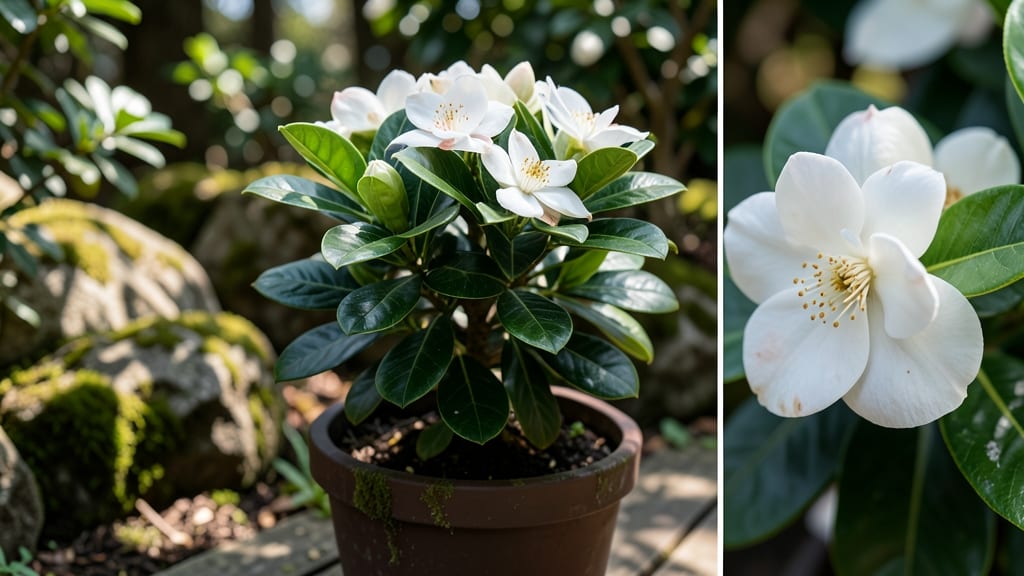
Gardenias thrive in partial shade with morning sun and afternoon shade 🌸 — but getting that balance right is the difference between lush blooms and a struggling plant.
Struggling to keep your gardenia plant blooming year-round? The battle between sun and shade can make or break its success—but with the right light tolerance hacks, you can master this delicate balance.
Too much direct sun scorches the leaves, while too little shade stunts growth and drops buds. The key lies in understanding your gardenia’s light needs, whether it’s basking in filtered sunlight or thriving under a canopy.
Here’s how to diagnose your plant’s light conditions, adjust for seasonal changes, and keep those fragrant blooms coming—indoors or out.
 Best Window Placement
How much sun or shade do gardenia plants need for optimal growth?
Gardenia plants, particularly the popular Gardenia jasminoides, thrive in environments that mimic their native tropical habitats. While they love bright light, too much direct sun can scorch their delicate leaves, while insufficient light leads to sparse blooms.
The ideal balance is morning sun with afternoon shade, giving them about 4-6 hours of filtered sunlight daily. Understanding these nuances is key to keeping your gardenia lush and flowering.
Most gardenia varieties prefer partial shade conditions, especially in hot climates where afternoon sun can exceed 85°F (29°C). This preference makes them perfect for east-facing windows or shaded garden beds.
However, some newer hybrids tolerate more sunlight, so always check the specific variety’s care tag. For instance, Gardenia augusta handles slightly more sun than the classic jasminoides.
Here’s a quick breakdown of your gardenia’s light needs, including how to spot problems and adjust care accordingly:
| Variety | Sunlight Needs | Shade Tolerance | Signs of Stress | Ideal Climate |
|---|---|---|---|---|
| Gardenia jasminoides | 4-6 hours bright indirect | Moderate (avoid deep shade) | Yellow leaves, bud drop | USDA Zones 8-10 |
| Gardenia augusta | 6-8 hours (more sun-tolerant) | Low (needs some sun) | Brown leaf edges, fewer blooms | USDA Zones 9-11 |
| Gardenia radicans | 3-5 hours (shade-loving) | High (avoid direct sun) | Pale leaves, stunted growth | USDA Zones 7-9 |
If your gardenia’s leaves are turning yellow or brown, it’s likely getting too much direct sun. Move it to a spot with dappled shade or use a sheer curtain to filter harsh rays.
Conversely, if buds form but drop before opening, your plant isn’t getting enough light. Gradually increase exposure over 2-3 weeks to avoid shocking the plant.
In cooler climates (USDA Zones 6-7), gardenias can handle more sunlight, even full sun in summer, as long as they’re well-watered. However, in hot, humid areas, afternoon shade is non-negotiable. Pay attention to your local microclimate—urban areas with heat islands may require extra shade even in moderate zones.
Diagnosing your gardenia’s light needs starts with observing its leaves and blooms. Healthy gardenias have dark green, glossy leaves and abundant white flowers. If you notice leaf scorch (brown patches) or bud blast (dropping buds), adjust its position immediately.
A simple trick is to place it near a north-facing window or under a light tree canopy for natural filtration.
For container gardenias, rotate the pot every 2-3 weeks to ensure even light exposure. This prevents one side from becoming leggy or overly exposed.
If growing outdoors, position it where it receives morning sun and afternoon shade, such as under a perennial shade tree or near a building’s east wall. Mulching around the base also helps regulate soil temperature, reducing stress.
Seasonal adjustments are crucial. In spring and fall, gardenias can tolerate more direct sunlight as temperatures moderate. But during peak summer heat, even partial shade varieties may need afternoon protection.
Use a lightweight shade cloth (30-50%) if natural shade isn’t available, and water deeply to help the plant cope with heat stress.
Remember, gardenias are light-sensitive but adaptable. Start with partial shade and monitor its response. With the right balance, your gardenia will reward you with fragrant blooms all season long—and maybe even a few extra surprises like red or pink varieties if you experiment with hybrids!
5 Light tolerance hacks to maximize gardenia blooms year-round
Gardenia plants thrive in bright indirect light, but their delicate blooms can suffer from too much direct sun or insufficient light. The key to year-round blooms lies in adapting their environment to match their partial shade needs.
Whether you're dealing with a sun-scorched gardenia or one struggling to bloom in low light, these hacks will help you strike the perfect balance.
Many gardeners mistakenly assume gardenias need full sun, but over-exposure to harsh afternoon rays causes leaf burn and bud drop. Conversely, too little light leads to sparse blooms and leggy growth.
By implementing these light tolerance strategies, you can create an ideal microclimate for your gardenia, regardless of your outdoor conditions.
- Gradual Sun Acclimation: Move potted gardenias outdoors incrementally—start with 1-2 hours of morning sun, then increase by 1 hour weekly. This prevents sun shock and leaf scorch.
- Strategic Pruning: Thin dense foliage to improve air circulation and allow more indirect light to reach inner branches. Focus on overlapping leaves that block sunlight.
- Reflective Surfaces: Place white gravel or mirrors near gardenias to bounce light onto leaves. This mimics bright indirect light conditions without direct sun exposure.
- Seasonal Light Adjustments: In summer, use sheer white fabric to filter intense midday sun. In winter, rotate pots to maximize southern exposure for extra light.
- DIY Shade Solutions: Install lattice screens or bamboo shades to create custom shade zones. Adjust height to control light penetration based on sun intensity.
For gardenias in low-light conditions, consider supplementing with a grow light during winter months when natural light is scarce. A simple LED grow bulb placed 12-18 inches above the plant can extend the blooming season by providing 12-14 hours of light daily.
This mimics the longer daylight hours gardenias crave for optimal flower production.
If your gardenia is already struggling, look for signs like yellowing leaves (too much sun) or stretched stems (too little light). Adjusting the light conditions immediately can revive blooming potential within 4-6 weeks. The key is consistency—gardenia plants respond best to stable light conditions rather than sudden changes.
Don’t overlook the power of container placement either. Move potted gardenias to shadier spots during peak afternoon sun (2 PM–5 PM) when rays are strongest. This simple shift can prevent leaf burn while still providing enough light for robust blooms.
With these hacks, your gardenia will reward you with fragrant flowers year-round.