
Planting
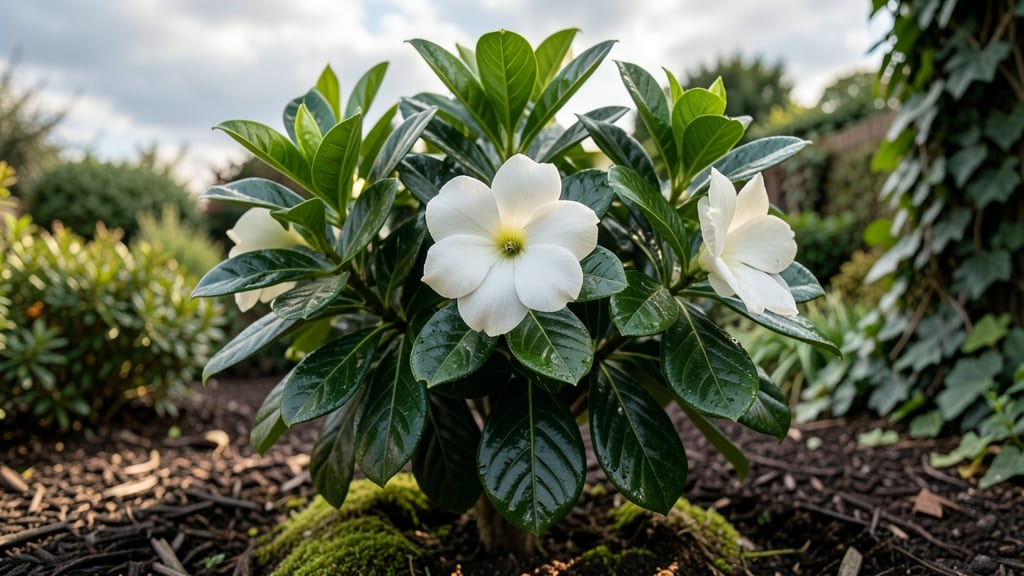
Gardenia plants can successfully grow in Zone 5 with the right winter care and cold-resistant varieties like Gardenia jasminoides ‘Kleim’s Hardy’ or ‘Radicans.’ Protect roots from freezing below 10°F using mulch, frost cloth, or container relocation, and prune in early spring to stimulate fresh growth after dormancy.
Zone 5 gardenias need special attention because their tropical origins make them vulnerable to frost damage.
The key is selecting varieties bred for colder climates, like the Radicans series, which can handle 10°F temperatures better than standard gardenias. 🌱 I’ve found that combining winter protection methods—like wrapping containers in insulating foam and covering plants with frost cloth—dramatically improves survival rates.
Early spring pruning isn’t just about shaping; it’s about removing dead growth while the plant is still dormant, which helps it bounce back faster once temperatures rise.
For container gardeners, mobility is your best friend. Moving potted gardenias to a sheltered spot (like a garage or basement) during hard freezes can mean the difference between a thriving plant and a lost one. Just remember: never let the soil freeze solid, as this can kill roots.
If you’re dealing with in-ground plants, a thick layer of mulch—at least 4-6 inches—acts like a blanket, preserving soil warmth and moisture. The goal is to keep roots alive through winter so the plant can focus on blooming come spring.
💡 In This Article
- Cold-Hardy Gardenia Varieties for Zone 5 Climates
- Step-by-Step Winter Care Guide for Zone 5 Gardenias
Cold-hardy Gardenia varieties for Zone 5 climates
The cold tolerance in gardenias comes down to two key factors: their root systems and leaf structure. Tropical gardenias like Gardenia jasminoides typically struggle in Zone 5 because their roots can’t survive below 20°F, causing irreparable damage.
However, hybrid varieties like the Radicans series have been bred to develop deeper, more insulated root zones that can withstand 10°F temperatures. These roots produce more suberin—a waxy substance that acts like a natural insulator—keeping moisture and warmth trapped near the critical growth points. 🌱
Leaf structure also plays a role. Cold-hardy gardenias have thicker, leathery leaves that reduce water loss during winter dormancy. For example, ‘Kleim’s Hardy’ gardenia can handle 10°F without significant damage, while standard varieties might suffer leaf scorch at 25°F.
The secret lies in their hybrid genetics, which combine the hardiness of Gardenia augusta with the fragrant blooms of Gardenia jasminoides. This breeding process mimics how some citrus varieties (like trifoliate orange) gain cold resistance through cross-pollination.
When selecting a variety for Zone 5, pay attention to the USDA cold hardiness ratings. ‘Radicans’ types typically top the list, but even among them, there’s variation. For instance, ‘Radicans’ can handle 10°F with proper protection, while ‘Kleim’s Hardy’ may survive 5°F brief dips if roots are heavily mulched.
The difference often comes down to how quickly the plant enters dormancy—earlier dormancy means less risk of frost damage to new growth. 💛
Another critical factor is flower bud formation. Cold-hardy gardenias form buds later in the season, avoiding the late-spring frosts that often kill tender new growth. This delayed blooming also means they’re less likely to suffer from frost damage to their signature white, waxy flowers.
For gardeners in Zone 5, this timing can mean the difference between a plant that blooms reliably and one that struggles to recover each year.
If you’re considering container gardening, choose dwarf varieties like ‘Radicans’ or ‘Kleim’s Hardy’—their compact size makes them easier to move indoors during hard freezes. These varieties also tend to have more robust stems that can support the weight of snow or frost cloth without breaking.
The trade-off? They may produce slightly smaller blooms, but the trade-in for cold resilience is worth it for Zone 5 gardeners. ✨
For those with in-ground plants, focus on varieties with a proven track record in your specific microclimate. For example, gardenias in northern Illinois (Zone 5b) might thrive with ‘Radicans’, while those in upstate New York (Zone 5a) may need the extra protection of ‘Kleim’s Hardy’.
Always check local nursery recommendations—they’ll know which cultivars have survived winters in your area. 🌟