
Companion Plants
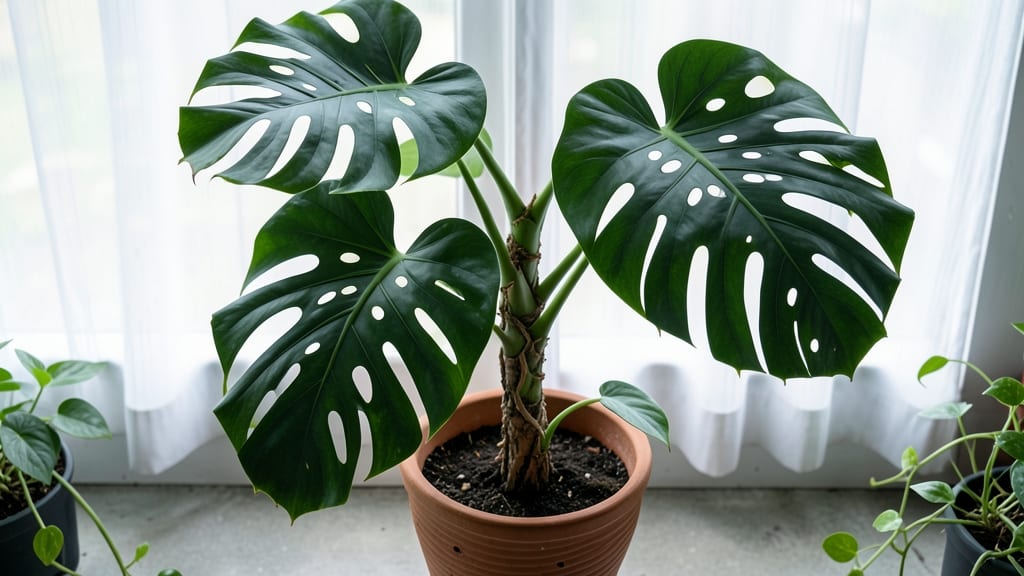
Gardening tropical plants 🌴 can transform your space into a lush, vibrant oasis—even if you don’t live in a tropical climate.
Picture this: palm fronds rustling, orchids blooming, and ferns thriving without the humidity of a rainforest. The trick? Mastering three key factors: humidity, light, and soil. With the right balance, you can recreate that tropical magic in containers, greenhouses, or even your backyard.
Most gardeners struggle with tropical plants because they assume they need a full-blown jungle. But the truth is simpler: these plants just need the right conditions to thrive. Whether you’re dealing with low-light apartments or hot, dry summers, small tweaks make all the difference.
In this guide, I’ll break down the easiest hacks for humidity, light, and soil—so you can grow tropical plants that look like they belong in a postcard, not just your garden.
Tropical plant humidity hacks: creating a rainforest-like environment indoors and outdoors
Tropical plants crave the same 70-80% humidity they’d get in their natural rainforest homes. Without it, their leaves crisp, buds drop, and growth stalls. The good news? You don’t need a greenhouse to recreate this environment.
Simple humidity hacks—indoor and outdoor—can transform your space into a tropical oasis. Let’s dive into the easiest ways to keep your orchids, ferns, and palms thriving, no matter your climate.
First, understand that most homes hover around 30-50% humidity in winter, which is a desert compared to a tropical plant’s needs. The key is to increase moisture around the plant—not the air—while preventing root rot from overwatering.
Start with grouping plants together; they release moisture through transpiration, creating a mini microclimate. Add a pebble tray under pots or use a humidifier nearby for instant relief. Outdoor gardeners can mimic nature with shade cloths, mulch, and misting systems.
| Method | Best For | Humidity Boost | Ease of Use |
|---|---|---|---|
| Pebble Tray | Small pots (e.g., ferns, orchids) | 50-60% | ⭐⭐⭐⭐⭐ |
| Humidifier | Large indoor collections | 60-80% | ⭐⭐⭐⭐ |
| Misting System | Outdoor tropical beds | 70-90% | ⭐⭐⭐ |
| Grouping Plants | Any indoor setup | 40-50% | ⭐⭐⭐⭐⭐ |
| Shade Cloth | Outdoor tropical plants | 65-75% | ⭐⭐⭐⭐ |
| Self-Watering Pots | Potted tropicals (e.g., palms) | 55-65% | ⭐⭐⭐⭐ |
For indoor setups, a pebble tray is my go-to hack. Fill a shallow tray with pebbles or gravel, add water, and place your plant’s pot on top. The evaporating water increases humidity around the plant without soggy roots.
Pro tip: Use distilled water to prevent mineral buildup on leaves. If you’re dealing with large collections, a humidifier (even a small, budget-friendly one) works wonders. Place it near your plants and set it to 60-70% humidity for optimal results.
Outdoor gardeners can create microclimates with shade cloths and mulch**. A 30-50% shade cloth reduces evaporation while keeping humidity high. Pair it with organic mulch (like bark or straw) to retain moisture in the soil.
For container plants, self-watering pots or wicking beds keep roots consistently moist without overwatering. Misting systems on timers are another game-changer for outdoor tropical gardens, especially in hot, dry climates.
Watch for humidity-related issues like brown leaf tips or curled fronds. These often signal low humidity, but they can also mean overwatering. The fix? Adjust your watering schedule and increase humidity gradually.
If leaves develop black spots, it could be fungal issues from excess moisture—improve airflow by spacing plants apart or using a fan on low.
Don’t overlook the power of natural humidity boosters. Place a bowl of water near radiators or use houseplants that release moisture, like aloe or snake plants. Even a damp towel draped over a shelf can help.
The goal is to mimic the tropical rainforest’s lush conditions without turning your home into a swamp. With these hacks, your tropical plants will thrive year-round, no matter where you live.
Start small—try one or two methods—and observe how your plants respond. Within weeks, you’ll see shinier leaves, more frequent blooms, and faster growth. That’s the magic of humidity hacks in action! 🌿
Best light conditions for tropical plants: balancing brightness without sunburn
Tropical plants thrive in bright, indirect light that mimics their natural understory habitats. Too little light leads to leggy growth and pale leaves, while direct midday sun can scorch delicate foliage. The key is finding that sweet spot where your plants get bright, diffused light for 6-8 hours daily.
Most tropical varieties adapt well to indoor conditions near south-facing windows, but outdoor gardeners must provide afternoon shade, especially in hot climates.
Identifying light issues is simple: underlit plants stretch toward light with sparse leaves, while overlit plants develop crispy edges or yellowed patches. For indoor setups, grow lights (LED or fluorescent) are a game-changer—place them 6-12 inches above plants and use a timer for consistent 12-14 hour light cycles.
Outdoor plants benefit from dappled shade under trees or sheer curtains to filter harsh rays.
| Plant Type | Light Needs | Indoor Placement | Outdoor Care |
|---|---|---|---|
| Low-Light Tropicals | Bright indirect | North window or 10 ft from south window | Dappled shade (20-50% filter) |
| Medium-Light Tropicals | Morning sun + afternoon shade | 3-6 ft from south window | East/west exposure or 50% shade cloth |
| High-Light Tropicals | Full sun (6+ hours) | South window with sheer curtain | Direct sun with afternoon shade |
Acclimating tropical plants to new light conditions takes patience. Start by moving plants to their new location gradually—increase exposure by 1-2 hours daily over 7-10 days.
For example, if relocating a calathea from a north window to a brighter spot, begin with 2 hours of morning light and slowly extend the duration. Watch for leaf scorch (brown patches) or yellowing as warning signs to adjust.
Grow lights are essential for indoor tropical gardens, especially in winter when daylight is scarce. Opt for full-spectrum LED grow lights (4000-6500K) and position them 6-12 inches above plants. Run them for 12-14 hours daily to mimic tropical daylight cycles.
For high-light lovers like hibiscus or bird-of-paradise, supplement with a reflective surface (white wall or foil) to maximize light distribution.
Outdoor tropical gardens require strategic placement to avoid midday sunburn. Use shade cloths (30-50% coverage) for delicate varieties like ferns or philodendrons. For container gardens, rotate pots weekly to ensure even light exposure.
Remember, east-facing windows provide gentle morning light, while west-facing windows offer intense afternoon rays—ideal for sun-tolerant tropicals like palms or bromeliads.
Pro tip: Group tropical plants by their light needs to create microclimates. Place low-light varieties (e.g., peace lilies) near north windows, medium-light plants (e.g., orchids) in east or west exposures, and high-light lovers (e.g., gingers) near south windows with afternoon shade.
With these adjustments, your tropical plants will thrive year-round—no sunburn in sight! 🌿☀️