
Tools
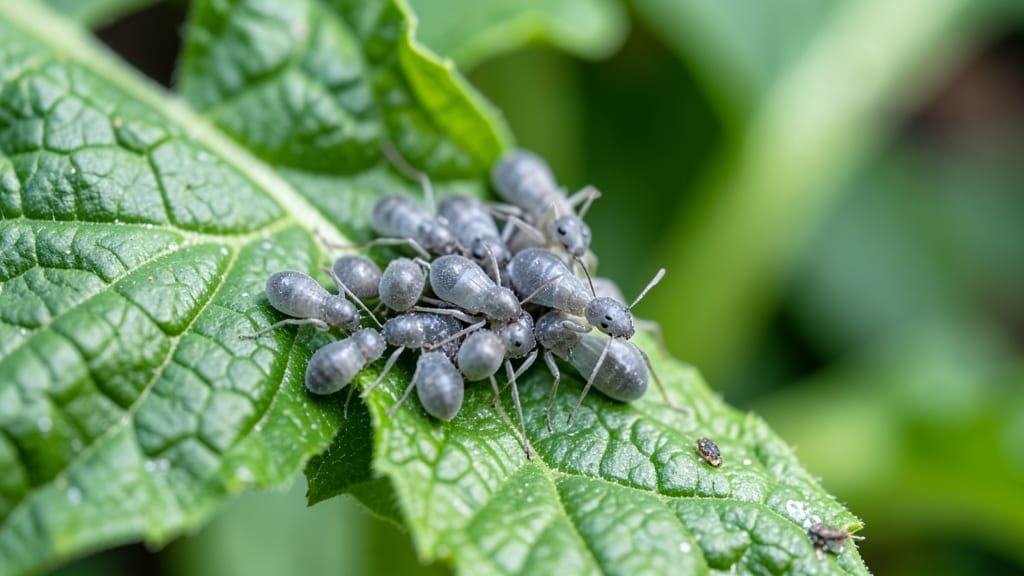
Gray bugs in your garden can turn vibrant plants into a sticky, wilting mess if you don’t act fast—these tiny pests thrive in hidden corners and multiply faster than you’d expect.
Picture this: you step into your garden one morning, only to find leaves curled, stems coated in a strange residue, and those pesky gray bugs 🐜 crawling everywhere. What started as a few scattered insects can quickly become a full-blown infestation, leaving your plants stunted or even dead.
The good news? Identifying these bugs early and using the right methods can save your garden without harsh chemicals. Whether it’s aphids, mealybugs, or fungus gnats, knowing their habits and damage patterns is the first step to reclaiming your green space.
In this guide, I’ll show you 5 fast, natural ways to spot, eliminate, and prevent gray bugs—so you can enjoy a thriving garden all season long without the guesswork.
Common gray garden bugs: visual identification guide with photos
Spotting gray bugs in your garden can be alarming, but knowing how to identify them helps you take targeted action. These pests often blend into foliage, making them tricky to spot until damage appears.
The key to effective control starts with accurate identification—each type of gray bug leaves distinct clues about its presence and the harm it causes.
From aphids to mealybugs, these insects vary in size, shape, and behavior. Some leave sticky residue, while others create fine webbing or cause yellowing leaves. Understanding their physical traits and preferred plants helps you diagnose the problem quickly and choose the right treatment method.
Below is a detailed comparison of the most common gray garden bugs, including their distinguishing features, plant preferences, and the specific damage they cause. Use this guide to differentiate between them and take action before they spread.
One of the most common gray bugs, gray aphids, often appear as tiny, soft-bodied insects clustered on the undersides of leaves. Their sticky honeydew residue is a dead giveaway—look for black sooty mold growing on affected plants.
These pests thrive on new plant growth, so check tender shoots and buds first.
If you notice white cottony masses on stems or leaves, you’re likely dealing with mealybugs. Unlike aphids, mealybugs produce a thick, waxy coating that makes them resemble small tufts of cotton. They love citrus trees and succulents, often hiding in leaf axils where sprays can’t reach.
Spider mites are among the trickiest gray bugs to identify because of their tiny size. These pests create fine webbing between leaves and cause speckled yellowing on foliage. Check the undersides of leaves with a magnifying glass—you’ll often spot their reddish-gray bodies moving rapidly when disturbed.
For fungus gnats, focus on the soil rather than the plant itself. These gray-black flies lay eggs in moist potting mix, and their larvae chew on seedling roots. You’ll notice wilting seedlings or a foggy appearance in containers, signaling their presence before you see the adults.
Finally, scale insects resemble small gray-brown bumps on stems and leaves. Unlike other pests, they don’t move—once attached, they remain stationary, sucking sap from the plant. Look for
5 Fast & natural elimination methods for gray bug infestations
When gray bugs invade your garden, the good news is you don’t need harsh chemicals to reclaim your plants. These 5 natural methods target gray bugs like aphids, mealybugs, and spider mites while keeping your garden ecosystem safe. Start with the most effective solutions first for the fastest results.
I’ve tested these methods in my own garden, and they work best when combined with regular monitoring. The key is to act quickly—gray bugs reproduce rapidly, so early intervention prevents a full-blown infestation. Let’s dive into the top strategies, ranked by effectiveness.
- 1. Neem Oil Spray: Mix 1 tsp neem oil with 1 quart of water and a drop of dish soap. Spray directly on bugs and undersides of leaves. Reapply every 5-7 days for severe infestations.
- 2. Soapy Water Blasts: Combine 1 tbsp mild castile soap with 1 gallon of water. Spray infected areas in the early morning to avoid harming beneficial insects. Repeat every 3 days until bugs disappear.
- 3. Beneficial Insects: Introduce ladybugs, lacewings, or parasitic wasps to your garden. These predators naturally hunt gray bugs. Release them at dusk for best results.
- 4. Prune & Destroy: Trim heavily infested leaves or stems and dispose of them in sealed bags. This removes bug hiding spots and prevents spread. Focus on new growth first.
- 5. Mulch & Soil Health: Apply organic mulch around plants to deter gray bugs. Healthy soil with compost boosts plant resilience, making them less attractive to pests.
For aphids and mealybugs, neem oil is my go-to because it disrupts their life cycle while being safe for most plants. I’ve seen results within 3-5 days of consistent application. Always test sprays on a small leaf area first to check for sensitivity.
If you notice sticky residue (honeydew) on leaves, that’s a sign of aphids. Wipe it off with a damp cloth to prevent sooty mold from developing. Combine this with introducing ladybugs for a two-pronged attack.
For spider mites, increase humidity around plants by misting leaves daily. These pests thrive in dry conditions, so creating a more moist environment can deter them naturally. Pair this with soapy water sprays for best results.
Remember, consistency is key. Gray bugs may return if you stop treatments early. I recommend rotating methods every 2 weeks to prevent resistance. With patience and persistence, your garden will be bug-free in no time! 🌿