
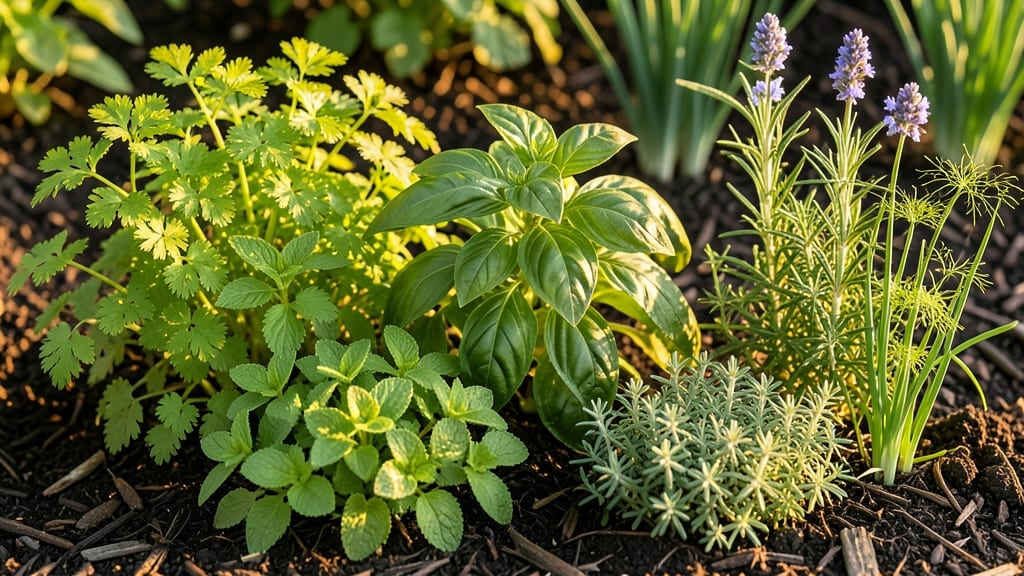
Herbs to Plant in the Garden: Year-Round Harvest Guide for Culinary & Medicinal Use

Planting

Herbs to Plant in the Garden: Year-Round Harvest Guide for Culinary & Medicinal Use

Planting herbs in your garden is the easiest way to add fresh flavors, healing remedies, and natural beauty to your home—without needing a green thumb or endless hours of care.

Picture this: snipping fresh basil for homemade pesto, harvesting mint for soothing tea, or letting rosemary’s scent waft through your kitchen as you cook. These low-maintenance plants thrive in containers or garden beds, making them perfect for beginners and busy gardeners alike.

Whether you’re growing for culinary use, medicinal benefits, or simply to attract pollinators, the right herbs can transform even a small patch of soil into a productive oasis. Below, I’ll share the top 12 easy-to-grow varieties, their ideal conditions, and how to keep them flourishing all season long.

Ready to turn your garden into a fragrant, functional space? Let’s dive into the herbs that will reward you with harvests year-round, no matter your skill level.

Best Time to Plant
Spring
Plant when soil is warm and workable
🌱 spring Planting Recommended

Top 12 easy-grow herbs for culinary & medicinal gardens

Starting an herb garden is one of the most rewarding ways to bring flavor and healing to your home. These 12 easy-grow herbs are perfect for beginners and experienced gardeners alike, offering culinary delights, natural remedies, and even pest control—all with minimal effort.

Whether you have a sunny windowsill or a sprawling backyard, these herbs thrive in diverse conditions, ensuring you’ll always have fresh picks at your fingertips.

I’ve organized them by their primary uses so you can prioritize what matters most to you—whether it’s kitchen staples, medicinal powerhouses, or natural pest deterrents. Each herb is chosen for its high yield, low-maintenance care, and adaptability to different climates.

Let’s dive into the best herbs to plant in your garden this season!

How to extend your herb harvest beyond summer months

Summer’s bounty of fresh herbs doesn’t have to end when the weather cools. With strategic planning, you can enjoy homegrown basil, thyme, and other favorites year-round. The key lies in selecting cold-hardy varieties and adapting your growing methods to seasonal changes.

Whether you’re extending your outdoor garden or bringing herbs indoors, these techniques ensure a continuous harvest without expensive greenhouses.

Start by identifying herbs that thrive in cooler weather, like parsley, cilantro, and chives. These plants not only survive light frosts but often taste sweeter after a cold snap. Pair them with winter-friendly companion plants like garlic or onions to maximize your garden’s productivity.

For tender herbs like basil, transition them indoors before the first frost—with the right light and care, they’ll keep producing until spring.

Here’s how to maximize your herb harvest through every season:

  1. 🌱 Plant cold-hardy herbs in early fall for winter harvests: parsley, thyme, rosemary, and sage tolerate frost and thrive in cooler temps.
  2. 🌿 Use row covers or cold frames to protect tender herbs like basil and dill during unexpected freezes, extending their growing season by weeks.
  3. ✂️ Prune herbs aggressively in late summer to encourage bushier growth before winter—this includes mint, oregano, and chives.
  4. 🪴 Transition to containers for indoor growing: Place pots near south-facing windows or under grow lights to keep basil and cilantro thriving.
  5. 💧 Adjust watering schedules in winter—herbs need less water when growth slows, but keep soil slightly moist to prevent dormancy.
  6. 🌡️ Start seeds indoors 6-8 weeks before your last frost date for an early spring harvest of dill, parsley, and chervil.

Companion planting is another game-changer for seasonal herb success. Pair rosemary with tomatoes to deter pests, or plant basil near peppers to boost flavor and repel flies. These pairings not only protect your herbs but also enhance their growth and flavor.

For example, chives planted near apples can deter apple scab, while thyme alongside cabbage deters cabbage moths.

Don’t overlook the power of seasonal harvest techniques. In fall, harvest parsley and cilantro before they bolt, and store bundles upside-down in a cool, dry place.

For winter, dry or freeze herbs like thyme and oregano to preserve their flavors. With these methods, you’ll enjoy fresh herbs year-round without relying on store-bought substitutes.

Even in winter, your herb garden can be productive with the right approach. By combining cold-hardy varieties, protective growing techniques, and smart companion planting, you’ll turn your garden into a year-round herb oasis.

Start small, experiment with what works best in your climate, and soon you’ll be harvesting fresh basil in January and thyme in December—no greenhouse required! 🌿

★★★★★4.6(14 reviews)
Categories Planting
Herb Primary Use Sunlight Needs Water Needs Mature Size Harvest Time
Basil Culinary 6+ hours Moderate 12-24" 60-90 days
Mint Culinary/Medicinal 4-6 hours High 12-36" 60 days
Rosemary Culinary/Pest Control 6-8 hours Low 3-5 ft 90-120 days
Chamomile Medicinal 3-5 hours Moderate 12-24" 70-90 days
Parsley Culinary 4-6 hours Moderate 12-18" 70-100 days
Thyme Culinary/Pest Control 6+ hours Low 6-12" 90-120 days
Lavender Medicinal/Ornamental 6-8 hours Low 12-36" 90-120 days
Cilantro Culinary