
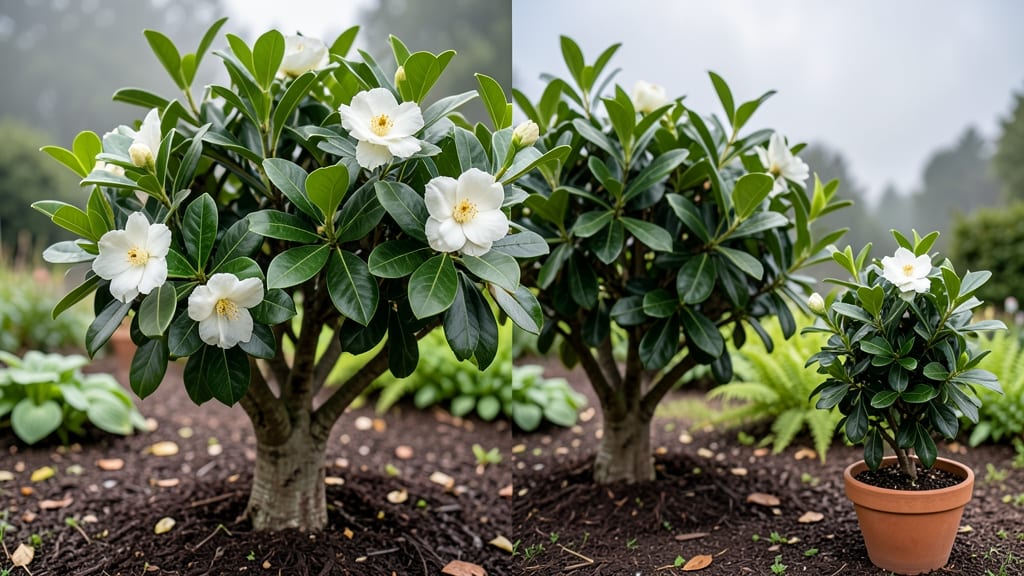
How Big Do Gardenias Get: Mature Size Guide by Variety and Pruning Needs

How To

How Big Do Gardenias Get: Mature Size Guide by Variety and Pruning Needs

Gardenias grow to sizes ranging from compact 1-foot dwarf varieties to towering 15-foot shrubs, depending on the type and care you provide.

If you’re dreaming of fragrant gardenias in your yard but wondering whether they’ll stay compact or sprawl into a jungle-like shrub, you’re not alone. The truth? Gardenia size varies dramatically by variety, and pruning habits can either keep them tame or let them grow wild.

Most gardenias, like the classic G. jasminoides, reach 3 to 6 feet at maturity, making them perfect for hedges or privacy screens. But some, like the dwarf varieties, stay under 3 feet, ideal for containers or small gardens.

Below, I’ll break down the size expectations by variety, how pruning shapes their growth, and the best conditions to keep them at your desired height—so you can plan your garden with confidence.

Gardenias size by variety: mature heights and spreads compared

Choosing the right gardenia variety starts with understanding their mature size. Some stay petite enough for container gardening, while others grow into towering privacy screens.

The most popular species, Gardenia jasminoides, typically reaches 3–6 feet tall with a 3–5 foot spread, but varieties like Gardenia radicans can trail up to 15 feet if left unpruned. Let’s break down the key differences so you can pick the perfect fit for your space.

For small spaces, dwarf varieties like Kleim’s Hardy max out at 2–3 feet tall and 2–3 feet wide, making them ideal for patio pots or foundation plantings.

On the other end of the spectrum, Gardenia augusta can soar to 10–15 feet tall, perfect for hedges or tropical-themed gardens. Even within a single species, growth habits vary—some grow upright, while others sprawl or trail, changing how you’ll need to train and prune them.

🌿

<

How pruning controls gardenias size: techniques for compact growth

Pruning is the secret weapon for keeping your gardenias from becoming unruly giants. Without proper shaping, even dwarf varieties can sprawl into 6-foot monsters, while standard types may reach 15 feet tall.

The good news? Strategic pruning lets you control height, encourage blooms, and maintain that lush, manicured look you crave.

Timing and technique matter more than most gardeners realize. A single late-summer prune can stimulate new growth, while a spring trim focuses on shaping. Even the tools you use—bypass pruners for clean cuts or loppers for thicker branches—affect how well your gardenia responds.

Let’s break down the exact steps to keep your gardenia compact and blooming.

⚠️ Warning: Over-Pruning Risks
Gardenias hate aggressive cuts—pruning more than 1/3 of the plant at once can shock it, reducing blooms next season. Dwarf varieties (like Kleim’s Hardy) need only light shaping, while standard types can handle moderate trims if done correctly. Always prune after flowering to preserve next year’s blooms.

Start with the right timing: For blooming varieties, prune right after flowers fade (late summer to early fall). This removes spent blooms and encourages new growth for next year.

Non-blooming types (like G. radicans) can handle spring pruning to shape before summer growth surges. Use sterilized tools to prevent disease—gardenias are susceptible to fungal infections from dirty cuts.

For compact growth, focus on selective pruning: Trim backward-growing branches first to open the center for airflow. Cut just above a leaf node or outward-facing bud to guide new growth outward.

Avoid top-heavy cuts—this encourages leggy, weak stems. With regular maintenance, even large varieties stay under 6 feet tall while producing abundant blooms.

Use this pruning timeline for maximum control:

  • Spring (March-April): Light shape for non-bloomers; remove dead wood.
  • Summer (June-July): Pinch back new growth to encourage bushiness.
  • Fall (September-October): Heavy prune for bloomers to stimulate next year’s flowers.

Stick to this schedule, and your gardenia will stay neat, healthy, and blooming year after year.

Pro tip: Fertilize after pruning with an acid-loving formula (like 10-10-10) to support recovery. Mulch around the base to retain moisture and keep roots cool—critical for tropical gardenias in hot climates. With these techniques, even 10-foot giants can become 3-foot patio stars.

★★★★★4.5(6 reviews)
Categories How To
Variety Mature Height Mature Spread Growth Habit Best For
Gardenia jasminoides 3–6 ft 3–5 ft Upright Borders, hedges
Gardenia radicans 2–5 ft 4–8 ft Trailing Containers, trellises
Kleim’s Hardy 2–3 ft 2–3 ft Compact Pots, small gardens
Gardenia augusta 10–15 ft 8–10 ft Upright Privacy screens
Fortuniana 6–10 ft 6–8 ft Bushy Large shrubs
Veitchii 4–6 ft 3–5 ft Upright Foundation plantings
Mystery 3–5 ft 3–4 ft Compact Containers, borders
Radicans 'Variegata' 2–4 ft 3–5 ft Trailing Hanging baskets
Augusta 'Veitchii' 8–12 ft 6–8 ft Upright Tall hedges
Kleim’s Hardy 'Radicans' 2–3 ft 3–4 ft