
Light Requirements
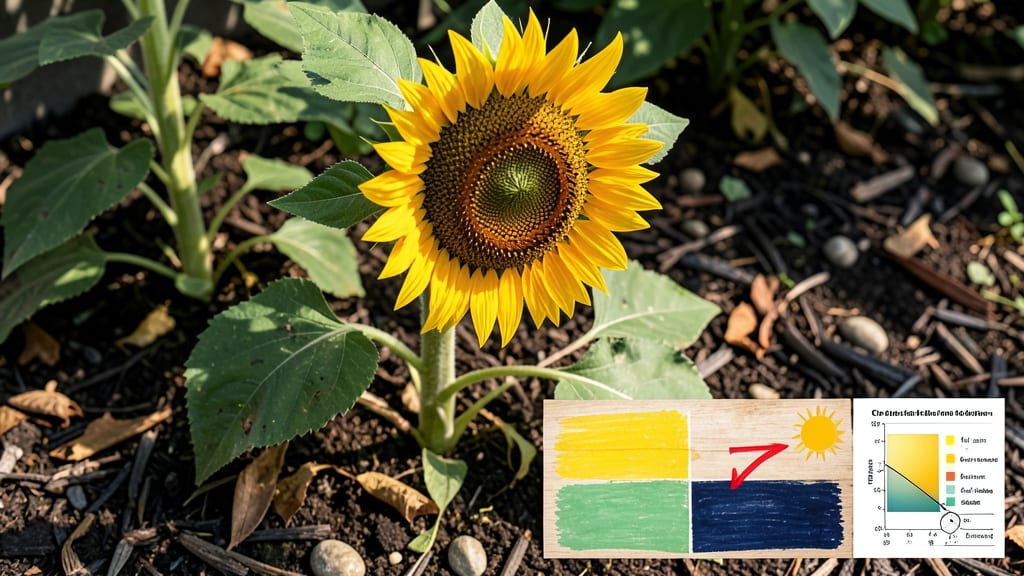
A garden needs 6 to 8 hours of sunlight daily to thrive, though some plants handle less—and others demand more.
If your tomatoes are shriveled or your basil bolts to seed by July, you’re not alone. Sunlight isn’t just light—it’s the fuel that turns soil into harvests, and getting it wrong means wasted effort.
The key? Matching your plants to the sun they crave, whether that’s full sun for peppers or partial shade for lettuce.
Here’s how to measure sunlight in your space, spot the sneaky shade traps (like that north-facing wall), and tweak your layout so every plant gets exactly what it needs—no guesswork, no wasted seeds.
From sun-loving 🌱 General Garden varieties to shade-tolerant picks, we’ll break down the hours, the angles, and the adjustments that make the difference between a struggling plot and a bountiful one.


Sunlight requirements by plant type: full sun vs partial shade vs full shade
Understanding how many hours of sunlight your garden needs is the foundation of successful planting. Too little sunlight leads to leggy, weak plants, while too much can cause scorched leaves and poor flowering. The key is matching each plant's sunlight requirements to its growing location.
Most gardeners divide sunlight into three categories: full sun (6+ hours), partial shade (3-6 hours), and full shade (less than 3 hours). Getting this right means the difference between a thriving garden and one that struggles to survive.
Before making decisions, consider your garden's microclimates—some areas may receive more or less sunlight due to nearby structures, trees, or even the slope of your land. For example, a south-facing wall can reflect extra heat, creating a "hot spot" that might require shade-tolerant plants.
Meanwhile, north-facing spots often get less sunlight, making them ideal for shade-loving varieties. Seasonal changes also play a role—summer sun is more intense than spring or fall, so plants may need temporary shade adjustments during peak heat.
🌱
| Plant Type | Sunlight Needs | Water Needs | Mature Size | Best For |
|---|---|---|---|---|
| Tomatoes, Peppers, Basil | Full Sun (6-8+ hours) | High (1-2 inches/week) | 1-6 ft tall | Vegetable gardens, containers |
| Roses, Hydrangeas, Impatiens | Partial Shade (3-6 hours) | Medium (1 inch/week) | 2-5 ft tall | Shady borders, woodland gardens |
| Ferns, Hostas, Caladiums | Full Shade (<3 hours) | Low (½ inch/week) | 1-3 ft tall | Woodland gardens, north-facing beds |
| Marigolds, Zinnias, Lavender | Full Sun (6+ hours) | Medium-High (1-1.5 inches/week) | 1-4 ft tall | Flower beds, pollinator gardens |
| Coleus, Begonias, Astilbe | Partial Shade (3-6 hours) | Medium (1 inch/week) | 1-3 ft tall | Shady containers, mixed borders |
Vegetables typically fall into the full sun category, needing at least 6 hours of direct sunlight daily. Tomatoes, peppers, and cucumbers are classic examples—they thrive when planted in spots that receive morning sun and afternoon shade during peak summer months.
If your garden lacks full sun, consider using reflective mulch or light-colored containers to maximize light exposure. Herbs like basil and oregano also love full sun, but they can tolerate partial shade (3-6 hours) if given consistent moisture.
Flowers are the most diverse group when it comes to sunlight needs. Sun-loving annuals like marigolds and zinnias demand 6+ hours of sun to produce vibrant blooms, while perennials like coneflowers and black-eyed Susans can handle partial shade.
If you're planting a flower bed, group plants with similar sunlight needs together to create a cohesive and low-maintenance design. For instance, pair sun-loving perennials like daylilies with partial shade lovers like astilbe in a transition zone.
🌿
Trees and shrubs often require partial shade, especially in hot climates where afternoon sun can stress foliage. For example, hydrangeas and azaleas thrive in 3-6 hours of morning sun followed by afternoon shade.
If you're planting near a large tree, focus on shade-tolerant plants like ferns, hostas, or caladiums, which can handle full shade (less than 3 hours). These plants often have larger leaves to capture minimal light, making them perfect for woodland gardens or north-facing beds.
Adjusting for seasonal changes is crucial, especially in regions with extreme summers or winters. In summer, afternoon sun can be intense, so consider providing temporary shade for heat-sensitive plants using shade cloth or moving potted plants to a shadier spot.
Conversely, in winter, evergreens and sun-loving plants may need extra protection from cold winds, which can dry out soil and damage foliage. Mulching around the base of plants helps retain moisture and regulate soil temperature, making it easier to adapt to seasonal shifts.
🌳
How to measure sunlight in your garden and adjust for optimal growth
Measuring sunlight accurately is the first step to creating a thriving garden. I’ve learned the hard way that guessing sunlight exposure leads to leggy herbs, scorched tomatoes, and frustrated gardeners. The key is understanding direct sunlight hours versus dappled shade—and how to measure it like a pro.
Start by observing your garden from dawn to dusk, noting how sunlight shifts throughout the day. Most gardeners overestimate shade, especially in morning sun spots that get hotter by afternoon.
For precise measurements, use a simple DIY sunlight tracker. Place a white board or piece of cardboard in your garden spot and mark the sun’s shadow every hour. The length and angle of the shadow reveal how much direct light your plants receive.
For example, a 6-inch shadow at noon means strong sunlight, while a 2-foot shadow at 2 PM indicates partial shade. This method works year-round, though summer shadows are shorter than winter ones.
- 6+ hours: Full sun (tomatoes, peppers, lavender)
- 3-6 hours: Partial shade (basil, marigolds, hostas)
- <3 hours: Full shade (ferns, astilbe, caladiums)
Note: Afternoon sun (12 PM–4 PM) is often intense—adjust for heat stress in sensitive plants.
Timing matters more than you think. Most gardeners focus on total sunlight hours but ignore peak intensity. For instance, a south-facing garden gets harsh afternoon rays, while an east-facing spot offers gentle morning light. If your tomatoes are wilting by 2 PM, they’re getting too much direct sun.
Move them to a dappled shade area or use shade cloth (30–50%) to filter light. For shade-loving plants like coleus, ensure they receive no more than 3 hours of indirect light daily.
Don’t forget about reflected light, which can trick you into thinking a spot is shadier than it is. Light-colored walls, patios, and even mulch reflect sunlight, adding extra heat to nearby plants.
If your fuchsias are struggling in what you thought was shade, check for nearby reflective surfaces. A quick fix? Add a living shade screen like arborvitae or bamboo to block excess light naturally.
Adjusting your garden layout is easier than you’d expect. Start by grouping plants with similar sunlight needs together. Place sun-lovers like roses and zucchini in the sunniest spots, while shade-tolerant plants like impatiens go in the cooler areas.
If your garden has uneven sunlight, consider container gardening—you can move pots as needed. For example, my basil thrives in a container that gets morning sun but afternoon shade during peak summer heat.
Finally, remember that sunlight changes with the seasons. A spot that’s full sun in June might be partial shade in December due to lower sun angles. Use a sunlight journal to track changes monthly.
Over time, you’ll master your garden’s unique light patterns and create the perfect environment for every plant. The payoff? Healthier plants, bigger yields, and fewer gardening headaches.