
Light Requirements
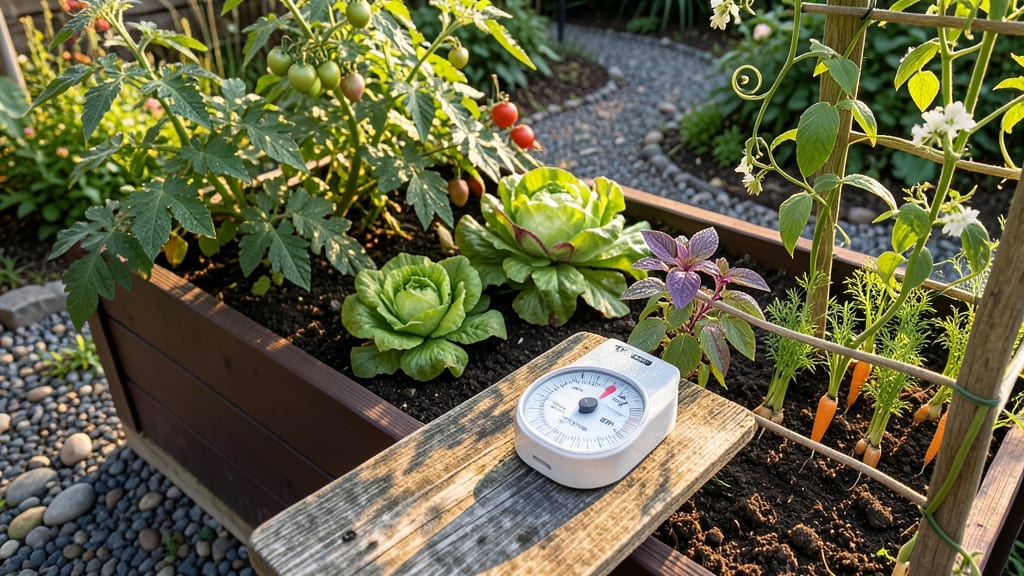
A vegetable garden 🥬 needs at least 6 hours of sunlight daily to thrive, but some plants crave even more—while others will bolt or fade in too much heat.
Picture this: your tomatoes are sprawling but fruitless, your lettuce bolts into bitter flowers, and your carrots stay stunted. That’s not bad soil or luck—it’s sunlight mismatched to the plants’ needs. The right balance turns a struggling patch into a harvest you’ll brag about.
Not all veggies demand the same sun exposure. Leafy greens like spinach and kale are happy with 4-6 hours, while tomatoes, peppers, and cucumbers need 8+ hours to produce.
Below, I’ll break down the exact sunlight ranges for your top crops and how to tweak your garden layout for peak performance.
You’ll also learn how to measure sunlight in your space, spot common mistakes (like planting heat-lovers in shade), and maximize yield even in tricky spots. Ready to turn your garden into a sun-powered success?

Sunlight requirements for vegetable gardens: full sun vs partial shade explained
Getting your vegetable garden's sunlight right is like finding the perfect recipe—too much or too little ruins everything. Most vegetables need 6-8 hours of direct sunlight daily to thrive, but some can handle less. The key is understanding your garden's microclimates and matching plants to their ideal light conditions.
Let's break down the differences between full sun, partial shade, and low-light requirements so you can place every plant perfectly.
First, let's clarify the terms. Full sun means 6+ hours of direct sunlight per day, while partial shade offers 3-6 hours of sunlight with filtered light the rest of the day. Low-light areas receive under 3 hours of sunlight daily.
Many gardeners confuse bright shade (dappled light) with full sun—this misunderstanding often leads to underperforming plants. Knowing the difference saves you from wasted effort and disappointing harvests.
Why sunlight matters so much: It drives photosynthesis, which fuels growth and fruit production. Without enough light, plants grow leggy, produce fewer flowers (and thus fewer fruits), and become more susceptible to diseases. Meanwhile, too much direct sun can scorch heat-sensitive plants. The solution? Match your garden layout to each plant's needs.
Here's how to measure sunlight in your garden: Place a sunlight meter or use a simple DIY method—stick a white board in potential planting spots and mark the sun's shadow every hour.
Repeat for a few days to get an accurate picture. Most gardeners discover their yard has a mix of sun and shade, which is why understanding these categories is essential.
Now that you know the categories, let's talk about common misconceptions. Many gardeners assume that bright shade (like under a tree with filtered light) is the same as full sun. It's not!
Bright shade provides less than 30% of direct sunlight, which is perfect for shade-loving plants but too little for sun-hungry vegetables like tomatoes or peppers.
Another mistake is planting root crops (like carrots or potatoes) in full sun spots—they actually prefer partial shade to prevent them from becoming tough or bitter.
For full-sun lovers, think tomatoes, peppers, and cucumbers. These plants need the most light to produce heavy yields of fruit.
Place them in the sunniest spots of your garden, ideally where they get morning sun and afternoon shade if your climate is extremely hot. Partial-shade plants like lettuce and spinach do well with 3-6 hours of sunlight and actually bolt (go to seed prematurely) if given too much direct heat.
Save these for areas with afternoon shade or cooler microclimates.
If your garden has uneven sunlight, don't despair. You can still grow a productive vegetable patch by strategically placing plants. For example, put your tallest plants (like corn or sunflowers) on the north side of your garden to avoid shading shorter plants.
Use reflective surfaces like white gravel or light-colored mulch to bounce extra light onto shady areas. And if you're dealing with a truly low-light spot, focus on shade-tolerant greens or herbs that thrive with minimal sun.
One final tip: Rotate your crops annually to ensure even sunlight exposure. If you notice one corner of your garden is always shady due to tree growth, consider pruning the branches or planting faster-growing vegetables there.
Over time, you'll learn which areas of your garden receive the most light—and which plants perform best in each spot. With a little observation and adjustment, you'll create the perfect balance for a thriving vegetable garden.
Remember, every garden is unique. What works in your neighbor's yard might not work in yours due to differences in house shading, tree canopies, or even local climate.
Take notes throughout the growing season, and don't be afraid to experiment with different plant placements. Your vegetables will thank you with bigger harvests and healthier growth!
Best vegetables for low-sunlight gardens: 10 shade-tolerant picks with sunlight ranges
Not all hope is lost if your garden is tucked away under trees or shaded by a building. Many vegetables actually thrive in low-light conditions, producing just as well as their sun-loving cousins. The key is choosing the right plants and understanding their shade-tolerance ratings.
With the right selections, you can grow a productive garden with as little as 3 hours of sunlight daily. Let’s explore the top 10 shade-tolerant vegetables and how to maximize their growth in dimmer spots.
Before diving in, it’s important to note that partial shade (3-6 hours of sunlight) is ideal for most shade-tolerant vegetables, while deep shade (under 3 hours) limits your options to the hardiest leafy greens and herbs.
Always observe your garden’s sunlight patterns throughout the day—morning sun behaves differently than afternoon sun, and this can drastically affect plant performance. Start by testing your space with a simple sunlight tracker for a week to pinpoint the best spots for each crop.
🌱 Numbered Highlights: Sunlight Needs for Shade-Tolerant Vegetables
- 🌿 Leafy Greens (3-4 hrs): Spinach, kale, and lettuce thrive with minimal sunlight, making them perfect for shady corners. Harvest outer leaves to encourage continuous growth.
- 🌱 Root Vegetables (4-6 hrs): Radishes and carrots (shorter varieties) tolerate partial shade but need consistent moisture. Avoid overcrowding to prevent competition for light.
- 🌿 Herbs (4-6 hrs): Cilantro, parsley, and chives flourish in dappled shade. Harvest regularly to promote bushier growth and prevent bolting.
- 🥬 Cruciferous Veggies (4-5 hrs): Broccoli and cabbage prefer cooler, shadier conditions. Plant in early spring or fall to avoid heat stress in summer shade.
- 🍅 Fruiting Plants (5-6 hrs): Peppers and eggplants (with extra care) can produce in partial shade, but yields will be smaller. Supplement with reflective mulch to boost light.
- 🥔 Tubers (4-5 hrs): Potatoes (early varieties) grow well in partial shade, but harvest before the plant fully matures to avoid starchy, tough tubers.
- 🌿 Microgreens (2-3 hrs): Broccoli sprouts and sunflower shoots are the fastest-growing shade champions. Grow indoors near a window or in a greenhouse for maximum yield.
- 🍅 Tomatoes (6 hrs minimum): Even shade-tolerant varieties like Cherokee Purple need at least 6 hours of sun to fruit. Use black plastic mulch to absorb heat and improve production.
- 🥬 Asian Greens (3-4 hrs): Bok choy and pak choi love cool, shady conditions. Harvest entire plants when young for tender, sweet leaves.
- 🌿 Swiss Chard (4-5 hrs): This hardy green tolerates shade better than most and produces colorful stems and leaves. Pinch back flowers to redirect energy to leaf growth.
When selecting shade-tolerant vegetables, prioritize leafy greens and herbs for the darkest spots, as they focus energy on foliage rather than fruit production.
For example, spinach and kale can thrive with just 3 hours of morning sun, while basil and parsley need at least 4 hours of dappled light to prevent legginess.
Always pair shade-loving plants with taller sun-worshippers like corn or sunflowers to create a layered garden that maximizes space and light.
To further boost growth in low-light areas, amend your soil with compost and organic matter to improve nutrient uptake. Shade-tolerant plants often grow slower, so they rely on rich soil to compensate. Additionally, use light-colored containers or reflective surfaces (like white gravel) to bounce extra light onto your plants.
This simple trick can increase sunlight exposure by up to 30%, making a noticeable difference in yield and vigor.
Don’t overlook the power of seasonal timing when growing in shade. Plant cool-season crops like lettuce and spinach in early spring or late summer to take advantage of milder temperatures and longer daylight hours.
Avoid planting heat-sensitive varieties in deep shade during summer, as they may struggle to recover. With the right planning, your shade garden can be just as productive—and delicious—as a sun-drenched plot.
Start small with 2-3 shade-tolerant varieties this season, and expand as you gain confidence. Even a single container of parsley or a patch of spinach can transform a dim corner into a thriving, edible oasis. Happy gardening! 🌿