
Plants
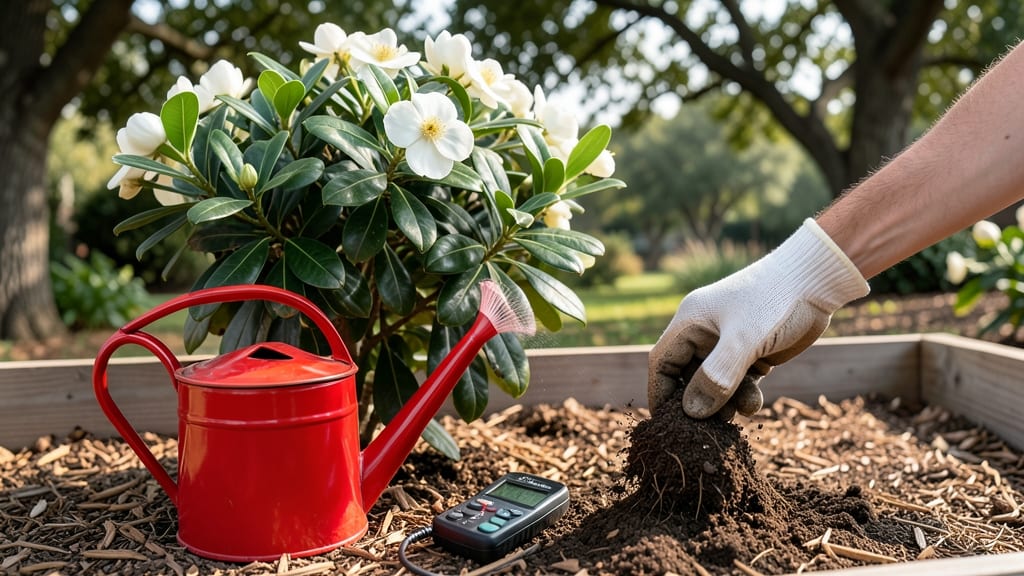
A gardenia plant needs 1-2 cups of water every 3-5 days to keep its roots happy and blooms fragrant 🌸 — but get this wrong, and you’ll watch those glossy leaves turn brown or droop.
Struggling to keep your gardenia blooming? The secret isn’t just sunlight—it’s mastering the delicate balance of water. Overwater or underwater, and you’ll sacrifice those fragrant flowers for good.
Gardenia thrives in moist but well-draining soil, which means checking the top inch before watering. In hot summer months, you might need to water daily, while winter slows things down to every two weeks.
Below, I’ll break down the exact watering schedule by season, how to spot over- or underwatering, and pro tips to keep your gardenia thriving without the guesswork.
Gardenia watering schedule: how often to water for optimal blooms
Your gardenia’s fragrant blooms and lush foliage depend on a consistent watering routine, but getting it wrong can mean drooping leaves or root rot. Unlike drought-tolerant succulents, gardenias crave moisture without soggy soil.
The key? Understanding seasonal needs and container size. Let’s break down the perfect watering schedule to keep your gardenia thriving year-round.
First, check your gardenia’s soil moisture before watering. Stick your finger 1-2 inches deep—if it feels dry, it’s time to water. For container gardenias, smaller pots dry out faster than in-ground plants.
In hot summer months, you might water daily, while winter slows down the process to every 2 weeks. Seasonal adjustments are everything!
Gardenia watering needs vary dramatically by season. Spring and summer demand frequent watering, while fall and winter require patience. The container size also plays a role: a 5-gallon pot needs watering 2-3 times per week in summer, while a 15-gallon pot might only need watering every 5-7 days. Let’s compare the exact schedules you need.
| Season | Watering Frequency | Container Size (5-gal) | Container Size (15-gal) | In-Ground Plant |
|---|---|---|---|---|
| Spring | Every 3-5 days | Every 2-3 days | Every 4-5 days | Every 5-7 days |
| Summer | Daily (deep watering) | Every 1-2 days | Every 2-3 days | Every 3-5 days |
| Fall | Every 5-7 days | Every 3-5 days | Every 5-7 days | Every 7-10 days |
| Winter | Bi-weekly | Every 10-14 days | Every 2-3 weeks | Every 3-4 weeks |
Note: Adjust based on humidity and temperature fluctuations.
In spring, your gardenia is waking up from dormancy and needs consistent moisture to encourage new growth. Water every 3-5 days, but monitor soil closely—overwatering can suffocate roots.
For container gardenias, smaller pots dry out faster, so check daily if temperatures rise above 75°F. Mulching helps retain moisture and keeps roots cool.
Summer is the most critical season for gardenia watering. High temperatures and direct sun mean your plant loses moisture rapidly. Water daily in extreme heat, but always in the morning to prevent fungal diseases.
If you see leaves drooping by noon, it’s a sign your gardenia needs water immediately. Use a moisture meter for accuracy—aim for 60% moisture at 2 inches deep.
As fall arrives, reduce watering frequency to every 5-7 days. Your gardenia is preparing for dormancy, so let the top 1-2 inches of soil dry out between waterings. This is also the time to prune dead blooms and fertilize lightly to support root strengthening.
Overwatering in fall can lead to root rot, so err on the side of caution.
Winter watering is minimal but essential. Gardenias in USDA Zone 6a or colder may go dormant, needing water only every 2-4 weeks. Check soil moisture before watering—if it’s damp, wait.
For container gardenias, move pots to a sheltered location to avoid freezing roots. A light misting every few weeks keeps humidity up without soggy soil.
Pro tip: Rainwater is ideal for gardenias because it’s acidic and chlorine-free. If using tap water, let it sit out 24 hours to reduce chlorine. Always water at the base of the plant, not the leaves, to avoid fungal spores.
A drip irrigation system delivers consistent moisture without overwatering—perfect for busy gardeners!
Remember, soil drainage is non-negotiable. Gardenias hate waterlogged roots, so ensure pots have drainage holes and in-ground
Signs your gardenia is thirsty vs. overwatered (and how to fix it)
Your gardenia might look healthy on the surface, but its watering needs are often the silent deal-breaker for those fragrant blooms. Too little water, and the leaves droop dramatically like a wilting balloon.
Too much, and the roots suffocate under soggy soil, leading to a slow decline. The key is consistent moisture—not a guessing game.
I’ve seen gardeners overcorrect after spotting yellow leaves, only to drown their plants with daily watering. Or worse, ignore drooping foliage until it’s too late. Both extremes stress the plant, and gardenias—being sensitive shrubs—react visibly.
Let’s decode the telltale signs so you can rescue your plant before it’s too late.
💧 Gardenia Watering Balance
- Dry soil 1-2" deep
- Drooping leaves (evening recovery)
- Crispy edges on older leaves
- Soggy soil (smells musty)
- Yellow leaves (no crispiness)
- Mushy stems at base
- Water deeply until runoff
- Mulch base (2-3" layer)
- Move to shade if stressed
- Stop watering immediately
- Repot in fresh soil if roots are rotten
- Improve drainage with perlite
When your gardenia leaves start drooping midday, it’s a cry for hydration. Unlike wilting from heat stress, underwatered gardenias perk up by evening if given a deep drink.
Stick your finger 1-2 inches into the soil—if it’s bone-dry, it’s time to water thoroughly. Pro tip: Use a moisture meter for accuracy, especially in container-grown plants.
On the flip side, yellow leaves with soft stems scream overwatering. Unlike nutrient deficiency (which causes yellowing between veins), overwatered gardenias develop uniform yellowing and may even smell sour from root rot.
If the soil stays clumpy and wet after 48 hours, you’ve crossed the line. Adjust your watering and check your pot’s drainage holes—they’re non-negotiable for gardenias.
Here’s my quick fix for both extremes: For underwatered plants, water in the morning and mulch heavily to retain moisture. For overwatered plants, let the topsoil dry completely between waterings and repot if needed. Remember, gardenias hate soggy feet—their roots need oxygen, not a swamp.
Pay attention to the leaf texture too. Crispy edges mean thirst, while slimy stems mean drowning. Your goal? Consistent moisture—like a well-tended sponge, not a dripping faucet. With these clues, you’ll keep your gardenia blooming like a pro—no more guesswork, just fragrant rewards. 🌸