
Watering
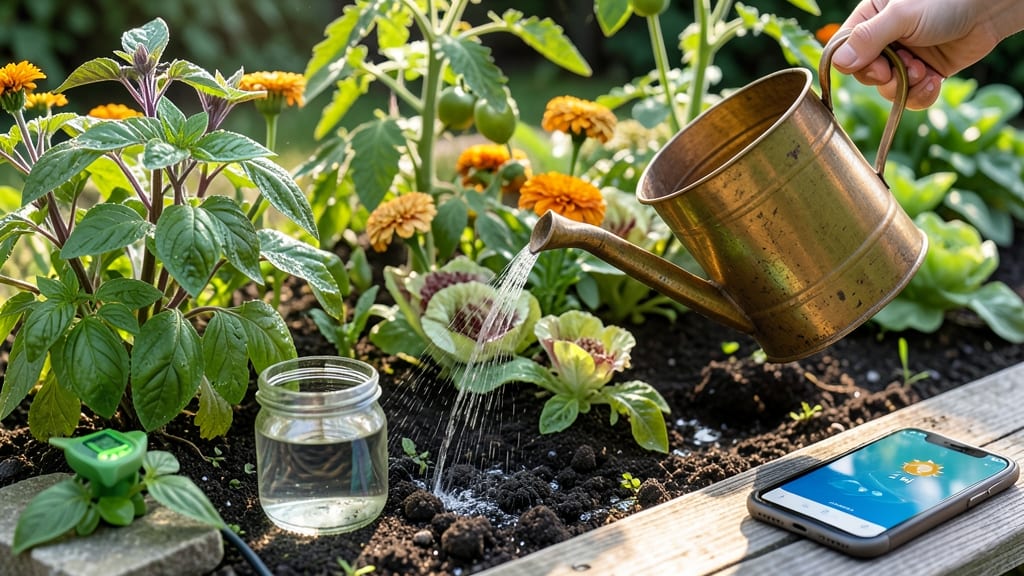
To water your garden properly, you’ll need to know how often each plant craves moisture—and why guessing gets it wrong every time.
Overwatering or underwatering your garden can mean the difference between lush, thriving plants and wilting disappointment. Yet most gardeners guess rather than follow science-backed schedules. That’s why I’m breaking down the exact watering frequency for 15+ common plants, plus how soil type, climate, and season dramatically alter your schedule.
Think about it: a tomato plant in 6a zone needs 1–1.5 inches of water weekly in summer, while basil thrives on daily light watering. Sandy soil drains faster, clay holds moisture longer, and mulch can stretch watering intervals by 3–5 days. These aren’t just rules—they’re lifelines for your 🌱.
Here’s what you’ll discover: the right way to check soil moisture, how to adjust for rain or drought, and the 4 deadly watering mistakes that kill plants even when you think you’re doing everything right.
Science-backed watering frequency by plant type (with soil & climate adjustments)
Watering your garden isn't a one-size-fits-all task. Different plants have unique needs, and factors like soil type and climate can dramatically shift your schedule. For example, tomatoes need 1–1.5 inches of water weekly in summer, while basil thrives with daily light watering.
Let’s break down the science so you can water with confidence—no guesswork required.
Understanding your local climate and soil composition is key. Sandy soil drains quickly, demanding more frequent watering, while clay soil holds moisture longer, requiring less. Even the season plays a role—summer heat increases evaporation, so you’ll need to water more often than in spring or fall.
Below, we’ve created a science-backed guide to help you tailor your watering schedule to your garden’s specific needs.
For vegetables like tomatoes and peppers, deep watering is essential to encourage strong root growth. These plants need 1.5–2 inches of water weekly during peak summer months, but you’ll need to adjust if your soil is sandy or clay-heavy.
In sandy soil, water more frequently—sometimes even three times daily in extreme heat—to prevent moisture loss. Conversely, clay soil holds water longer, so you can space out watering to every 5–6 days.
Herbs like basil and parsley are finicky about moisture. They prefer daily light watering (about 1/4 inch per session) and can wilt quickly if left dry. In hot climates, water in the morning and evening to reduce stress.
Meanwhile, leafy greens such as lettuce and spinach need consistent moisture but can handle a slight reduction in winter—cut back by 50% to avoid overwatering.
Flowers like marigolds
5 Critical factors that change your watering schedule (and how to adapt)
Your garden’s watering needs aren’t one-size-fits-all—even the same tomatoes planted side by side may need different care based on their surroundings. I’ve learned the hard way that ignoring these 5 critical factors leads to wasted water, stressed plants, or even death.
The good news? Small tweaks can save your garden from guesswork and frustration.
Think about it: a container basil in full sun wilts by noon if forgotten, while a hosta in shade might go weeks without water. Then add mulch depth, a sudden heatwave, or a heavy rainstorm, and your schedule flips completely.
Mastering these adjustments turns you from a reactive gardener to a proactive one—keeping your plants thriving year-round.
Sunlight Exposure
Full-sun plants like peppers and tomatoes need 20–30% more water than shade-loving mint or parsley. Use the ‘finger test’: stick your finger 1 inch deep—if dry, water deeply.
Mulch Matters
A 2–4 inch mulch layer locks in moisture for 3–5 extra days. Skip mulch? Container plants may need daily watering in summer—check soil every morning to avoid stress.
Rainfall Rules
1 inch of rain = skip watering for 2–3 days. Use a rain gauge or app (like Weather Underground) to track local totals—overwatering after rain is the #1 mistake I see.
Containers vs. in-ground plants? That’s another game-changer. Potted plants dry out 2–3x faster because soil heats up and evaporates quickly. I once killed a thyme plant by following my neighbor’s in-ground schedule—until I realized containers need morning watering and drainage holes that actually work.
Drought stress is the silent killer. When your zucchini leaves curl or roses drop buds, it’s often a cry for help. Deep watering once a week (1–2 inches) beats shallow daily sprinkles. Pro tip: Water at the base of plants, not overhead, to reduce fungal risks and conserve moisture.
Adjusting your schedule isn’t about memorizing rules—it’s about observing. Keep a gardening journal to note when wilting happens, how long mulch holds moisture, or how your local microclimate differs from general advice.
My tomatoes in the south-facing bed need 30% more water than the north side—something I only discovered after tracking their thirst.
Start with these tweaks: check soil, time waterings, and watch your plants. Your garden will thank you with stronger roots, bigger blooms, and fewer surprises. And when you nail it? That’s the moment you become the gardener your neighbors envy. 🌱