
Fertilization
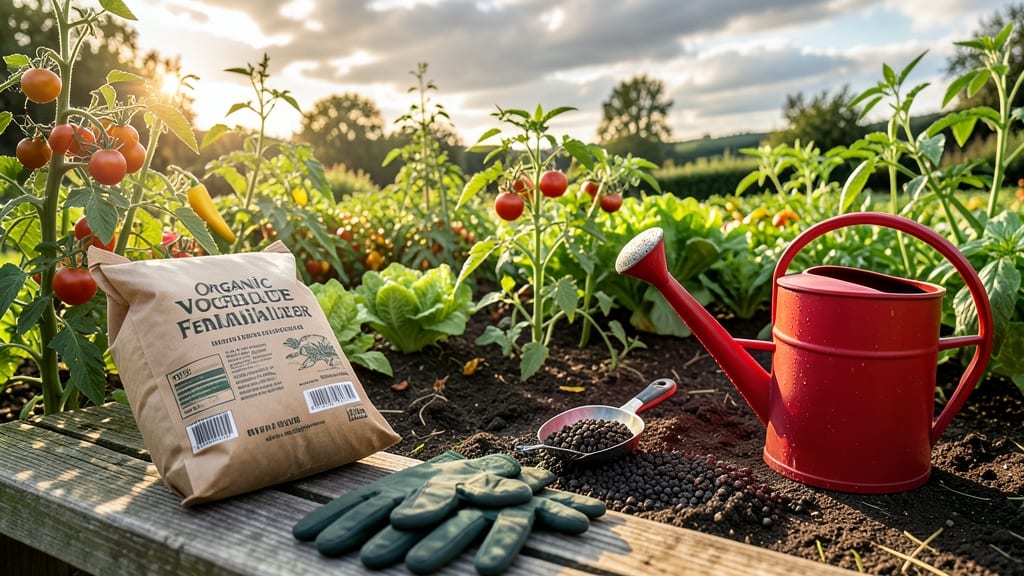
You should fertilize your garden every 4 to 6 weeks during the growing season to keep plants thriving, but timing and type matter just as much as frequency.
Wondering why some plants in your garden look vibrant while others struggle? It’s often because they’re not getting the right nutrients at the right time. Too much fertilizer can burn roots, while too little leaves them starving for growth.
This guide breaks down the best fertilization schedule for vegetables, flowers, and lawns—plus how soil type, season, and fertilizer type (organic vs. synthetic) change the rules.
You’ll learn when to feed, how much to use, and how to spot signs of over- or under-fertilizing so your garden stays healthy all season long.

Optimal fertilization frequency by plant type: vegetables vs. flowers vs. fruits
Fertilizing your garden isn't a one-size-fits-all task—each plant type has unique nutritional needs that determine how often you should fertilize. Vegetables, flowers, and fruit-bearing plants all respond differently to feeding schedules, and getting this right can mean the difference between a thriving garden and a struggling one.
For example, leafy greens like spinach need frequent, light feedings, while root crops such as carrots prefer less frequent but deeper fertilization.
Soil type also plays a critical role in fertilization frequency. Sandy soils drain nutrients quickly, requiring more frequent applications, while clay soils hold nutrients longer, allowing for less frequent but heavier feedings.
Understanding these differences ensures your plants get the right nutrients at the right time, preventing both deficiencies and over-fertilization.
For vegetables, the key is matching fertilization to the plant's growth stage. Leafy greens like spinach and kale benefit from frequent, light feedings every 2-3 weeks to encourage rapid foliage growth.
In contrast, root vegetables such as carrots and beets need less frequent but heavier fertilization—focus on phosphorus to promote root development rather than leafy tops. Over-fertilizing with nitrogen can actually stunt root growth, so always use a balanced fertilizer.
When it comes to flowers, annuals like marigolds and petunias thrive with regular feedings every 3-4 weeks, but the focus should shift to potassium-rich fertilizers to encourage blooming. Perennials, on the other hand, are more low-maintenance.
A single feeding in early spring and another mid-season is often sufficient, as their roots establish over time. Avoid high-nitrogen fertilizers for flowers, as they prioritize leaf growth over blooms.
Fruit-bearing plants, including berries and citrus trees, have the most complex fertilization needs. These plants require consistent feeding every 6-8 weeks during the growing season to support both foliage and fruit production.
Use a balanced fertilizer with equal parts nitrogen, phosphorus, and potassium, but avoid overdoing it—excess nitrogen can lead to excessive leaf growth at the expense of fruit development. Organic options like compost or bone meal are excellent choices for fruit trees.
Soil type dramatically impacts how often you should fertilize. In sandy soils, nutrients leach away quickly, so more frequent applications are necessary. For example, vegetables in sandy soil may need fertilizing every 2-3 weeks, while the same plants in clay soil might only require feeding every 4-6 weeks.
Always test your soil before fertilizing to determine its current nutrient levels and pH. Amending with compost can improve soil structure and reduce the need for synthetic fertilizers.
One common mistake gardeners make
Seasonal fertilizing schedule: when to feed for maximum growth
Timing your garden fertilizing is like hitting the gas at the right moments in a race—too early or late, and your plants won’t reach their full potential. A well-planned schedule ensures your garden gets nutrients when it needs them most, whether it's for leafy greens, flowering plants, or fruiting crops.
In temperate climates, the growing season spans from early spring to fall, with distinct phases where fertilization makes the biggest difference.
Most gardeners focus on feeding during the active growing season, but pre-planting and late-season fertilization can also boost yields. The key is balancing organic fertilizers (like compost or manure) with synthetic options (like granular or liquid feeds) to avoid overloading plants with salts or nutrients.
For example, vegetables like tomatoes and peppers need frequent feeding, while perennial flowers benefit from slower, seasonal releases.
| Month | Growth Stage | Fertilizer Type | Frequency | Notes |
|---|---|---|---|---|
| March | Pre-Planting | Organic (compost) | Once | Amend soil 2-3 weeks before planting. |
| April | Early Growth | Balanced (10-10-10) | Every 4 weeks | Encourages root and leaf development. |
| May-July | Flowering/Fruiting | High-Potassium (5-10-10) | Every 3 weeks | Supports blooms and fruit set. |
| August-Sept | Late Season | Low-Nitrogen (3-4-6) | Every 6 weeks | Prepares plants for dormancy. |
| Oct-Feb | Dormant | None | Skip | Avoid fertilizing frozen or dormant soil. |
In March, focus on soil preparation by mixing in compost or aged manure 2-3 weeks before planting. This jumpstarts microbial activity and provides a slow-release nutrient base.
For synthetic fertilizers, opt for a balanced NPK ratio (10-10-10) to support early root and leaf growth. Apply it again in April to coincide with seedling emergence.
As plants transition to flowering or fruiting stages (typically May through July), switch to a high-potassium fertilizer (5-10-10) to encourage blooms and fruit development.
For tomatoes or peppers, side-dress with compost every 3 weeks to prevent nutrient deficiencies. Organic options like fish emulsion or worm castings work well here, as they release nutrients gradually without burning roots.
By August and September, reduce fertilization to a low-nitrogen blend (3-4-6) to harden off plants before winter. This helps redirect energy to root storage rather than leafy growth. Avoid fertilizing 6-8 weeks before the first frost, as new growth can be damaged by cold snaps.
In winter, skip fertilizing entirely—plants are dormant, and excess nutrients can leach into groundwater.
For organic gardeners, mulch with straw or leaves in late fall to protect soil structure and add nutrients as it decomposes. Synthetic users should follow label instructions closely, as over-application can lead to nutrient burn or soil salinity.
Always water fertilizers in thoroughly to activate nutrients and prevent root damage.
Pro tip: Keep a garden journal to track which fertilizers work best for your soil type. Adjust your schedule based on plant responses—yellowing leaves might mean too much nitrogen, while stunted growth could signal a phosphorus deficiency. With the right timing, your garden will thrive all season long! 🌱🌿