
Fertilization
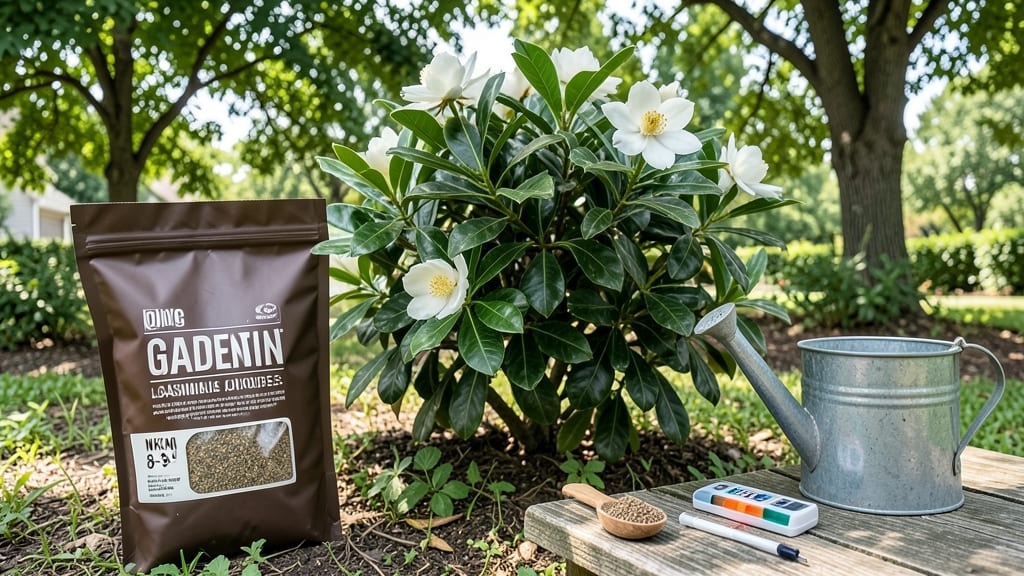
To fertilize gardenias properly, aim for every 4-6 weeks during their active growing season—spring through early summer—when they’re hungry for nutrients but not yet stressed by heat.
Struggling to keep your gardenias blooming as beautifully as they did last year? The secret might be simpler—and more precise—than you think: fertilizing at the right times.
Too much too soon can scorch roots, while skipping feedings leaves them weak and sparse. It’s all about timing, soil pH, and knowing when to step back.
These fragrant shrubs 🌸 thrive in Zone 6a-10a when given the right care, but even the hardiest gardenias need a balanced approach. Over-fertilizing in summer can lead to leaf burn, while winter feedings waste nutrients they won’t use.
Below, I’ll break down the exact schedule, the best fertilizer types, and how to spot when your plants are begging for a break.
You’ll learn how to read your gardenias’ leaves for clues, adjust for sandy vs. clay soil, and choose between organic and synthetic feeds—plus when to pause entirely for dormancy. By the end, your gardenias will reward you with lush foliage and those signature white blooms all season long.

Optimal fertilizing frequency for gardenias by season (with soil type considerations)
Gardenias thrive when fertilized with precision—not too much, not too little. The key lies in understanding their seasonal growth cycles and how your soil type affects nutrient absorption. Too little fertilizer means sparse blooms, while overdoing it can burn roots and stunt growth.
Let’s break down the science-backed schedule to keep your gardenias lush and fragrant year-round.
Most gardeners make the mistake of fertilizing year-round, but gardenias actually need a rest period in fall and winter. Their active growth happens from late spring through summer, when they’re pushing out new leaves and preparing for blooms.
Adjusting your schedule based on soil type (sandy vs. clay) ensures nutrients are available when needed, not wasted.
Here’s the seasonal breakdown you need to follow, tailored for both sandy soil (which drains quickly) and clay soil (which holds moisture and nutrients longer). Sandy soil requires more frequent feeding, while clay soil benefits from spaced-out applications to avoid salt buildup.
In spring, gardenias wake up from dormancy and need a nutrient boost to support new growth. Use an acidic fertilizer (like cottonseed meal) every 4 weeks for sandy soil or every 5 weeks for clay soil.
This aligns with their natural blooming cycle, ensuring energy goes toward flower buds rather than foliage.
During summer, reduce frequency to every 6 weeks to prevent over-fertilization, which can cause leaf burn. Sandy soils may need a light feed every 4 weeks, while clay soils can handle longer stretches without feeding. Always water deeply after fertilizing to help nutrients reach roots.
Fall and winter are critical rest periods—skip fertilizing entirely. Gardenias need this time to replenish energy stores for next year’s blooms. Over-fertilizing now can stress roots and lead to winter dieback, especially in colder climates like Zone 6.
For container-grown gardenias, adjust your schedule slightly: feed every 3 weeks in spring and summer, as potted soil drains faster. Use a water-soluble fertilizer to avoid salt buildup in the mix. Always check soil moisture before fertilizing—thirsty plants need water first!
Pro tip: Mix compost or peat moss into the soil in early spring to improve acidity and nutrient retention. This reduces the need for synthetic fertilizers while keeping your gardenias thriving. Monitor leaf color—yellow leaves may signal iron deficiency, while brown tips often mean over-fertilization.
Remember, gardenias reward consistent care with abundant blooms. Stick to this seasonal schedule, adjust for your soil type, and watch your plants flourish—just like they did in their native tropical habitats. Happy gardening!
Signs your gardenias need fertilizer (and when to skip it)
Your gardenias might be whispering for help without you realizing it. Yellowing leaves, fewer blooms, or stunted growth are classic signals your plants need nutrients.
But here’s the catch: over-fertilizing can do just as much damage as neglect, especially if you see brown leaf edges or crispy foliage. The key is reading your gardenias’ cues—and knowing when to pause.
Gardenias thrive on a balanced feeding schedule, but their needs shift with the seasons. In spring and summer, they crave nutrients to fuel blooms, while fall and winter are their dormant periods when fertilization should stop.
Even the most experienced gardeners sometimes misread these signs, leading to stressed plants or wasted fertilizer.
Let’s break down the tell-tale signs your gardenias need fertilizer—and when to skip it entirely to avoid harm. Understanding these clues will help you fine-tune your care routine for healthier plants and show-stopping blooms.
When to Fertilize Gardenias
- Encourages blooms: Regular feeding boosts flower production in spring/summer.
- Greener foliage: Nutrients like nitrogen support lush, vibrant leaves.
- Stronger roots: Phosphorus in fertilizer promotes root development.
- Burnt leaves: Over-fertilizing causes brown, crispy edges.
- Stunted growth: Too much salt in soil can inhibit root absorption.
- Wasted money: Fertilizing during dormancy harms rather than helps.
When to Skip Fertilizer
- Reduces stress: Lets plants recover from transplant shock.
- Prevents overgrowth: Avoids leggy, weak stems in fall/winter.
- Saves resources: No risk of salt buildup in soil.
- Fewer blooms: Skipping spring/summer feedings may reduce flowers.
- Weak foliage: Plants may look pale or sparse without nutrients.
- Slower growth: Roots and stems may not develop fully.
If your gardenias show yellow leaves with green veins, it’s often a sign of nitrogen deficiency. This nutrient is crucial for leaf health, and a balanced fertilizer (10-10-10) can revive them.
However, if the yellowing spreads to the entire leaf, it might indicate chlorosis, a condition caused by iron or magnesium deficiency—common in alkaline soils. In this case, use an acid-loving plant fertilizer or amend the soil with peat moss or sulfur.
On the flip side, brown leaf tips or edges are a red flag for over-fertilization. This happens when excess salts in the soil burn plant cells. To fix it, flush the soil with water to leach out salts, and reduce fertilizer frequency to every 6-8 weeks.
Avoid fertilizing in fall or winter, as gardenias enter dormancy and don’t need extra nutrients during this time.
Another clue to watch for is sparse or no blooms. While gardenias need time to mature, consistent feeding in spring (when buds form) encourages abundant flowers.
If you’ve been fertilizing but still see fewer blooms than usual, check your watering habits—gardenias need consistent moisture to support flower production. Pair your fertilizer with deep watering in the morning to see the best results.
Remember, gardenias are acid-loving plants, so always use a low-pH fertilizer (like cottonseed meal or a 8-3-9 blend). If you’re unsure whether to fertilize, check the soil first: Dig a small hole near the roots.
If the soil smells sharp or salty, it’s over-fertilized. If it’s dry or lacks organic matter, it’s time to feed your plants.