
How To
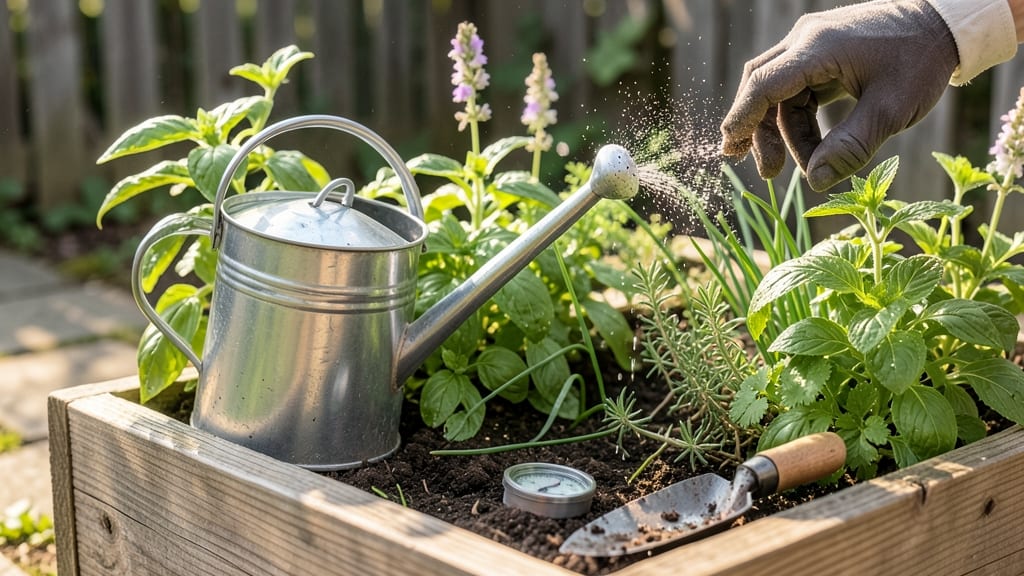
Watering your herb garden the right way keeps those 🌿 leaves lush and flavorful—so you’ll want to water them every 2-5 days, depending on the type and weather.
Overwatering or underwatering your herb garden can turn your kitchen staples into sad, wilted leaves—so how do you strike the perfect balance? The key is checking soil moisture before you grab the watering can.
Herbs like basil and cilantro need consistent moisture, while rosemary and thyme thrive with less. A simple finger test (stick your finger an inch deep) tells you when it’s time to water—no guesswork needed.
Below, I break down the exact watering schedule for each herb, seasonal tweaks, and how to spot over- or under-watering before it’s too late.
The right watering frequency for different herb types
Not all herbs thrive on the same watering schedule—some love moisture, while others beg for dry spells. Understanding your herbs' native climates helps you mimic their natural needs. Mediterranean herbs like rosemary and thyme evolved in arid conditions, while tropical herbs like basil and cilantro crave consistent dampness.
The key is monitoring soil moisture rather than sticking to rigid schedules.
For most herbs, the soil should dry out 1-2 inches deep between waterings. Stick your finger in the soil: if it feels dry at this depth, it's time to water.
Overwatering causes root rot, while underwatering leads to stunted growth. Young herb plants need more frequent watering than established ones, as their roots haven't developed deep enough to seek moisture.
Here’s how to tailor your watering routine to different herb categories, ensuring each plant gets exactly what it needs to thrive:
Mediterranean herbs like rosemary and thyme are drought-tolerant and thrive when their soil dries out completely between waterings. These herbs store water in their woody stems, so overwatering is their biggest enemy. Water them deeply but infrequently—once every 7-10 days—and always use well-draining soil to prevent soggy roots. A 50/50 mix of potting soil and perlite works wonders for these hardy plants.
On the opposite end, tropical herbs like basil and cilantro need consistent moisture to mimic their humid, rainy climates. Water these herbs every 2-3 days during hot weather, ensuring the top ½ inch of soil stays damp.
Let the soil surface dry slightly between waterings to prevent fungal diseases like downy mildew. If you notice the leaves curling or wilting quickly after watering, your herb is thirsty and needs more frequent hydration.
Moderate herbs like dill, chives, and tarragon fall somewhere in between. They prefer their soil to dry out 1 inch deep between waterings, which typically translates to every 5-7 days. These herbs are more forgiving than tropical varieties but still suffer if left bone-dry. Pay attention to their leaf color: dull, yellowing leaves signal underwatering, while mushy stems mean you’ve overdone it.
Herbs in containers dry out faster than those in garden beds, so adjust your watering schedule accordingly. Pots lack the moisture-retention benefits of garden soil, so check the soil daily during heatwaves.
Use self-watering pots or place a tray of water beneath containers to increase humidity around the roots. Morning watering is ideal for all herbs, as it reduces evaporation and gives plants time to dry out before nightfall.
Watch for visual cues that indicate your watering routine needs adjustment. Wilting leaves that perk up after watering mean your herb is thirsty, while yellowing leaves or blackened stems signal overwatering. Crispy leaf edges often point to underwatering, especially in high-heat conditions.
Adjust your schedule based on these signs rather than relying solely on a calendar.
Pro tip: Group herbs with similar watering needs together in your garden or containers. This makes it easier to maintain consistent moisture levels and reduces the risk of over- or underwatering.
For example, plant basil and parsley together in one pot and rosemary and thyme in another. This way, you can tailor your watering routine to each group’s specific needs without confusion.
Remember, seasonal changes also affect watering frequency. In summer, herbs may need watering daily during heatwaves, while winter slows growth and reduces their need for moisture. Always adjust based on temperature, humidity, and rainfall—your herb garden’s watering schedule isn’t set in stone!
How to perform a soil-moisture test to avoid over/underwatering
Mastering the soil-moisture test is the secret to keeping your herb garden thriving. Too much water causes root rot, while too little stunts growth—both can ruin your fresh basil or rosemary. The key lies in understanding when your plants truly need hydration, not just sticking to a rigid schedule.
Herbs like basil and cilantro prefer consistently moist soil, while rosemary and thyme tolerate drier conditions. Without testing, it's easy to misjudge. Start by checking the soil's moisture level before watering—this simple habit prevents both overwatering and underwatering.
⚠️ WARNING: Common Mistake ⚠️
Overwatering is the #1 killer of herb gardens! Many gardeners water on a fixed schedule (like every 3 days) without checking soil conditions. This leads to root rot and mold, especially in containers with poor drainage. Instead, always test moisture before watering—your herbs will thank you with vibrant growth and bold flavors!
Begin with the finger test, the simplest method. Stick your index finger about 1 inch deep into the soil. If it feels dry at this depth, it's time to water.
For container-grown herbs, check deeper—up to 2 inches—since pots dry out faster. This tactile approach works for all herbs, from moisture-loving parsley to drought-tolerant oregano.
For a more precise reading, use a moisture meter. These handheld tools measure soil moisture levels with accuracy, using probes to detect electrical resistance in the soil.
Aim for a reading between 40-60% for most herbs—this range keeps roots hydrated without waterlogging. Moisture meters are especially useful for indoor herb gardens where humidity fluctuates.
Watch your herbs for visual cues too. Wilting leaves often signal thirst, but yellowing or mushy stems mean you've overwatered. Dull foliage or slow growth also indicate moisture issues.
Adjust your watering based on these signs—herbs communicate their needs through their appearance. Pair these observations with your soil tests for the best results.
Morning is the ideal time to water, as it allows foliage to dry quickly, reducing fungal risks. If you're unsure whether to water, always test the soil first. With practice, you'll develop an instinct for when your herb garden needs hydration, ensuring lush, flavorful plants all season long. 🌱