
How To
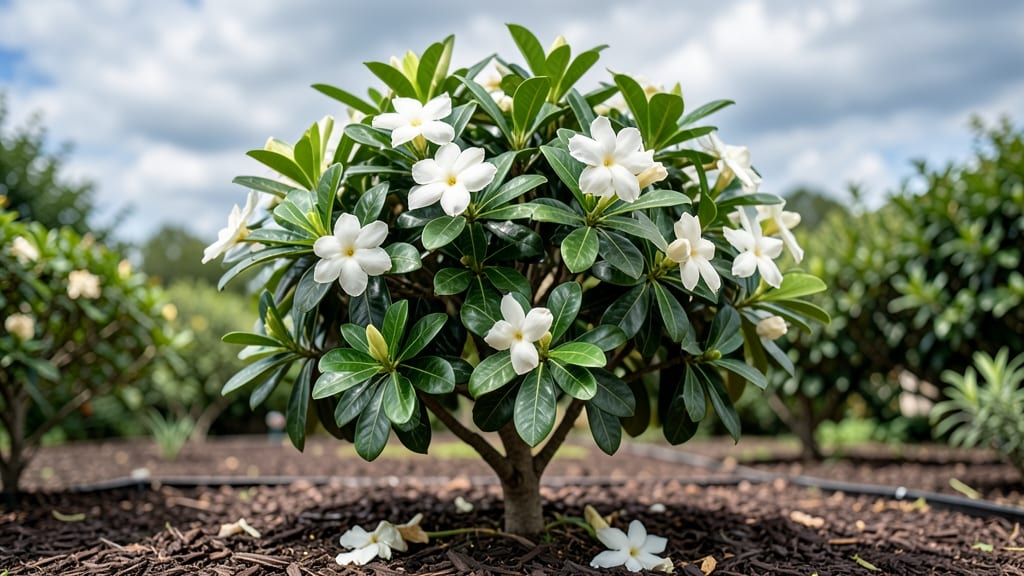
Gardenia plants can grow anywhere from 2 feet to over 10 feet tall, depending on the variety and growing conditions you provide.
If you’re picturing a tiny potted gardenia for your patio, you might be surprised to learn that some varieties stretch into small trees, while others stay neatly contained in containers. The key difference? It’s all in the genetics and how you prune them.
Popular varieties like Gardenia jasminoides often max out around 4 to 6 feet, making them perfect for hedges or privacy screens. Meanwhile, larger types like Gardenia augusta can soar to 10 feet or more with the right care.
In this guide, you’ll discover how to choose the right variety for your space, when to prune for ideal height, and even how to train them into small trees if you want that tropical look.


Gardenia height by variety: small to giant sizes explained
Choosing a gardenia variety is like picking your dream vacation spot—some are perfect for cozy patios, while others thrive as bold landscape stars. The height range of gardenias spans from compact container plants to towering shrubs, all while maintaining their signature creamy white blooms and intoxicating fragrance.
Your garden’s layout and sunlight conditions will dictate which variety fits best, so let’s explore the spectrum from dwarf varieties to giant gardenia shrubs.
The Gardenia jasminoides, the most common species, offers the widest height diversity. Some stay under 3 feet, ideal for balcony planters, while others stretch over 10 feet, perfect for privacy hedges or backyard focal points.
Even within the same species, growth habits vary—some grow bushy and rounded, while others develop tree-like trunks with layered branches. Understanding these differences helps you plan for both aesthetics and maintenance.
🌱
For small-space gardeners, the 'Radicans' variety is a game-changer. This trailing type thrives in hanging baskets or window boxes, cascading with fragrant blooms while staying under 3 feet. Its spreading habit makes it perfect for balconies or patio railings, where you can enjoy its scent up close.
Just ensure it gets morning sunlight and afternoon shade to prevent leaf scorch.
On the opposite end of the spectrum, 'Veitchii' gardenias can reach 15 feet tall, making them ideal for tropical-themed gardens or as privacy barriers.
These giants need well-draining soil and full sun exposure to support their height, but they reward you with large, highly fragrant flowers that attract pollinators. If you’re considering this variety, plan for its wide canopy—it can spread nearly as wide as it grows tall.
🌿
Not all gardenias fit neatly into "small" or "large" categories—some, like 'Fortuniana', strike a balance at 3–5 feet tall. This variety is a versatile choice for foundation plantings or mixed borders, offering abundant blooms without overwhelming smaller gardens.
Its bushy growth habit also makes it easier to shape with light pruning, ideal for gardeners who want control over their plant’s form.
If you’re growing gardenias in containers, focus on dwarf or semi-dwarf varieties like 'Mystery' or 'Radicans'. These stay manageable in 15–20 gallon pots and benefit from regular pruning to encourage bushiness.
Remember, container-grown gardenias need frequent watering and acidic fertilizer to thrive, as their roots have less access to nutrients than in-ground plants.
How to control gardenia height: pruning techniques for different goals
Pruning your gardenia isn’t just about keeping it neat—it’s the key to shaping its height and growth habit. Whether you want a compact container plant or a tall, tree-like gardenia, the right pruning techniques will help you achieve your vision.
The best time to prune is right after flowering (late spring to early summer) when the plant has finished blooming but before new growth hardens.
Before you start, gather your tools: sharp bypass pruners for clean cuts, sterilized rubbing alcohol to prevent disease, and pruning shears for smaller branches. Avoid using dull tools, as they can tear the bark and invite pests.
Always prune on a dry, sunny day to reduce stress on the plant and allow wounds to heal quickly.
Step-by-Step Pruning Guide for Gardenias
- Step 1: Assess Your Goal Decide if you want to reduce height, encourage bushiness, or train as a small tree. This determines where and how much you prune.
- Step 2: Prune for Height Reduction Cut back 1/3 of the tallest stems to the nearest leaf node. For dramatic height control, prune just above a leaf where new growth will sprout.
- Step 3: Shape for Bushiness Trim outer branches to encourage inward growth. Focus on new growth at the base to create a fuller, wider plant.
- Step 4: Train as a Small Tree Select 1-3 main stems and remove lower branches. Prune side branches to maintain a single-trunk appearance.
- Step 5: Clean Up and Sterilize Remove dead or diseased branches first. Wipe tools with rubbing alcohol between cuts to prevent spreading pathogens.
One of the most common mistakes is pruning too late in the season—this can stunt new growth and reduce flowering next year. Another pitfall is over-pruning, which stresses the plant and may lead to fewer blooms.
If you’re growing gardenias in containers, prune more aggressively to control size, but avoid cutting more than 1/3 of the plant at a time.
For tall gardenia varieties, like 'Kleimschmidtiana', you might need to prune annually to maintain height, while dwarf varieties like 'Radicans' require minimal pruning. Always step back after pruning to check the plant’s balance—this helps you see if you’ve achieved the desired shape or if more adjustments are needed.
After pruning, give your gardenia a light fertilizer to encourage new growth. Water deeply but avoid overwatering, as gardenias are sensitive to root rot.
With the right pruning approach, you can keep your gardenia at your ideal height—whether that’s a low hedge, a bushy container plant, or even a small tree! 🌿✂️🌸