
Size
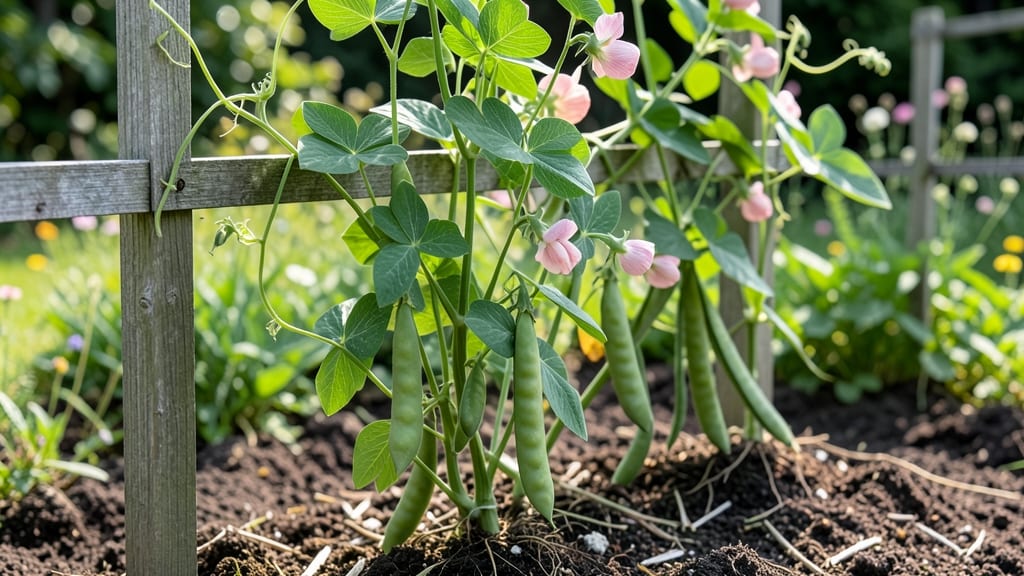
How tall do garden peas grow? They range anywhere from 1 foot to over 6 feet, depending on the variety you choose—so picking the right one can make or break your vertical garden or small-space setup.
If you're planning a vertical garden or small-space cultivation, knowing how tall garden peas grow can save you from wasted effort—and help you maximize your harvest. Some varieties climb like vines, while others stay compact, making the right choice crucial for your garden layout.
Dwarf varieties like 'Little Marvel' top out at just 8–12 inches, perfect for containers or tight spaces, while climbing types such as 'Telephone' can reach 6 feet or taller if given proper support.
This height difference isn’t just about aesthetics—it directly impacts how you’ll trellis, space, and even harvest your peas.
Below, I’ll break down the best varieties for your space, how to support them for maximum growth, and the simple tricks to keep them thriving—no matter how tall they get.


Garden pea varieties by height: compact vs. climbing types
Choosing the right garden pea variety depends on your space and goals. Some stay compact (8–12 inches), perfect for containers or small gardens, while others climb 6+ feet tall, ideal for trellises or vertical gardens.
The difference isn’t just aesthetics—it affects how you plant, support, and harvest your peas.
Dwarf varieties like 'Little Marvel' or 'Sugar Sprint' thrive without support, making them great for beginner gardeners or urban balconies. Meanwhile, climbing types like 'Telephone' or 'Mammoth Melting Sugar' need sturdy trellises to reach their full 5–6 foot height. Your choice impacts everything from spacing to harvest efficiency.
Dwarf peas like 'Little Marvel' grow just 8–12 inches tall, making them ideal for container gardening or tight spaces. They require minimal support and mature quickly (60–70 days), perfect for early spring harvests. Their compact size also reduces disease risk since airflow is better near the ground.
Semi-dwarf varieties such as 'Green Arrow' or 'Oregon Sugar Pod' reach 2–3 feet, striking a balance between space efficiency and yield potential. These work well with low trellises or cages and are great for raised beds.
They tolerate slightly cooler temperatures than climbing types, extending your growing season.
Climbing peas like 'Telephone' or 'Mammoth Melting Sugar' are the tallest garden peas, often exceeding 6 feet with proper support. Their vertical growth habit saves garden space and produces longer pods, but they need sturdy trellises or fences to avoid sprawling.
These varieties thrive in cool, moist climates and are ideal for large gardens or vertical setups.
All pea varieties prefer well-draining soil with a pH of 6.0–7.0 and 6+ hours of sunlight daily. However, climbing peas benefit from morning sun to dry dew quickly, reducing fungal diseases. For dwarf varieties, focus on consistent moisture—they’re more sensitive to drought during flowering.
If you’re growing peas in containers or small spaces, prioritize dwarf or semi-dwarf varieties. For vertical gardens or fences, climbing peas maximize your harvest per square foot.
Always check the seed packet for specific height ranges—some "semi-dwarf" types can surprise you with 4-foot vines if given enough support!
Pro tip: Mix dwarf and climbing peas in the same garden. The climbing varieties will train upward, while dwarf types fill gaps at the base, creating a lush, layered display that’s both productive and beautiful. Just ensure each gets its ideal sunlight and soil conditions.
For first-time growers, start with 'Little Marvel' (dwarf) to learn the basics, then graduate to 'Telephone' (climbing) once you’re ready for trellises. The height difference changes everything—from planting distance to harvesting ease—so choose wisely based on your garden’s layout and your goals.
🌱 Whether you’re a space-saving urban gardener or a trellis-loving traditionalist, the right pea variety will transform your harvest—and your garden’s vertical potential! 🪴
Best trellis and support systems for tall garden peas
Tall garden peas—like the 6-foot 'Telephone' variety—need sturdy support to thrive. Without proper trellis systems, vines sprawl, reducing air circulation and increasing disease risks. The right structure not only saves space but also boosts yields by 30-50% by keeping pods off the ground and protected from soil-borne pests.
Your support choice depends on pea variety and garden layout. For climbing varieties (4-6 feet), opt for tall trellises or cages, while semi-dwarf types (2-3 feet) work well with shorter stakes or mesh.
I’ll walk you through the best options, from DIY bamboo frames to pre-made metal trellises, plus how to train vines for maximum growth.
🌱 Top Trellis Options for Tall Peas
DIY-friendly, affordable, and strong for 5-6 ft vines. Use 3-4 poles (2-3 inches thick) tied with twine or wire.
Pre-made cylindrical cages (3-5 ft tall) are ideal for small spaces. Choose 18-gauge galvanized wire for durability.
Great for sloped gardens. Build with 2x4 lumber or PVC pipes, angled for wind resistance.
Budget option: Stretch 3-strand twine between posts (6-8 ft apart) for climbing varieties.
Lightweight and reusable. Secure panels vertically (4-5 ft tall) with stakes or zip ties.
Install your trellis at planting time to avoid disturbing roots later. For bamboo or wooden frames, bury the base 6 inches deep or anchor with concrete footings to prevent tipping.
If using twine or string, space supports 2 feet apart and tighten lines to 1-inch spacing for easy vine navigation.
Train vines by gently tying them to the trellis every 5-7 days using soft jute twine or velcro plant ties. Avoid wire or zip ties—they can damage tender stems.
Prune side shoots to encourage upward growth, focusing on the main stem and 2-3 strongest branches. This ensures energy goes to pod production, not excess foliage.
Maintenance is minimal but critical. Check supports weekly for rust (metal) or rot (wood/bamboo). Replace damaged sections immediately. After harvest, clean trellises with a 10% vinegar solution to remove debris and prevent fungal spores from overwintering. Store plastic or metal trellises for reuse next season.
Pro tip: Pair tall peas with low-growing companions like radishes or lettuce to maximize space. The lettuce’s shade helps peas retain moisture, while radishes deter pests like pea aphids. Just ensure your trellis is at least 3 feet from other plants to avoid crowding and improve airflow.