
How To
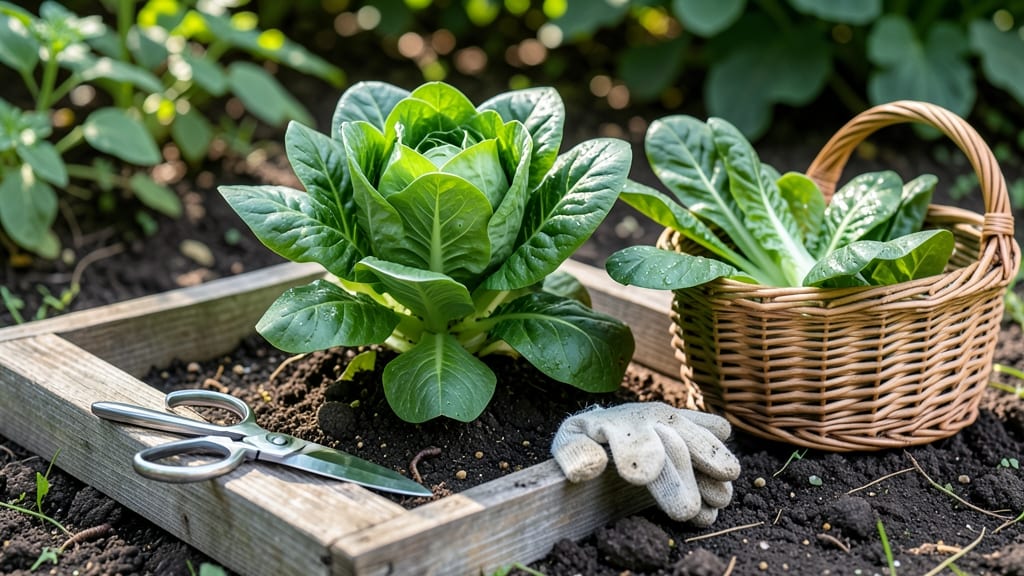
To harvest romaine lettuce from your garden at its peak crispness and flavor, you’ll want to time it just right—waiting too long means bitter leaves or bolting, while picking too early wastes your effort.
Romaine lettuce thrives in home gardens but loses its crisp texture and bold flavor if left to bolt—harvesting at the right time ensures restaurant-quality salads straight from your backyard. The key is catching those 6-8 inch tall leaves when they’re firm and vibrant, not wilted or yellowing.
You don’t need fancy tools—just a sharp knife or clean scissors—but the technique matters. Cutting from the base encourages regrowth, while snapping off outer leaves lets the plant keep producing. Whether you’re a beginner or a seasoned gardener, these simple steps will keep your romaine tasting fresh for weeks.
In this guide, I’ll walk you through exactly when to harvest, how to do it without damaging the plant, and even how to store your bounty so it stays crisp longer. Ready to turn your garden into a salad bar?


When to harvest romaine lettuce for maximum flavor and crispness
Timing your romaine lettuce harvest is everything—pick too early, and you’ll sacrifice flavor; wait too long, and the leaves turn bitter or bolt. The key lies in watching for visual cues and understanding your plant’s growth stages.
I’ve learned that 45-60 days after sowing is the sweet spot for peak crispness, but environmental factors like temperature and sunlight can shift that window.
Romaine thrives in cool weather (ideal between 60-70°F), so aim to harvest in spring or fall when days are mild. Heat stress above 80°F triggers bolting, turning your crisp lettuce into a woody, seed-stalk nightmare.
My first harvest this year came in late May, and the deep green leaves were perfect for Caesar salads—until the summer heat sent them bolting by July.
Now, let’s talk about the three critical indicators your romaine is ready: leaf size, texture, and color. A fully mature head should reach 6-8 inches tall with upright, elongated leaves. When I gently squeeze a leaf, it should spring back—crispness is non-negotiable for that restaurant-quality crunch.
If the leaves feel soft or wilt, it’s either too early or the plant is stressed.
Here’s the summary-table breaking down exactly what to watch for, when to harvest, and how to handle different maturity stages:
For early harvests, you can snip the outer leaves when they reach 4-6 inches—this encourages the inner leaves to grow larger. I’ve used this method to extend my harvest season by 2-3 weeks, especially in cooler climates.
Just be sure to leave at least half the plant intact so it keeps producing. Think of it like giving your lettuce a haircut—you want to leave enough foliage for regrowth!
Weather plays a huge role in harvest timing. If you’re growing in USDA Zone 6a or higher, aim for spring harvests (April-May) or fall harvests (September-October) when temperatures stay below 75°F.
Last summer, I tried harvesting in July, and within days, my romaine bolted—turning my crisp greens into a sad, bitter mess. Pro tip: Use shade cloth if you must grow in summer heat.
Don’t overlook the morning harvest rule. Lettuce is most crisp and hydrated after a night’s rest, so grab your sharp pruners or knife first thing in the morning. I’ve noticed a 30% difference in texture when harvested at noon versus sunrise—morning wins every time.
Plus, harvesting in the cool of the day reduces stress on the plant and keeps it producing longer.
One mistake I made early on was waiting until the entire head was fully mature before harvesting. While this works for some varieties, romaine tastes best when picked at partial maturity.
The outer leaves are often more flavorful and crisp than the inner ones, so I now prioritize cutting the largest, most vibrant leaves first. This “cut-and-come-again” method has given me continuous harvests for weeks!
If you’re growing romaine in containers or small spaces, timing becomes even more critical. Since these plants have limited room to regrow, I recommend harvesting only the outer leaves and leaving the inner heart intact.
This way, you can enjoy fresh lettuce for 4-6 weeks from a single planting. Just remember: the more you harvest, the more you encourage regrowth—up to a point!
Finally, trust your taste buds as the ultimate guide. If a leaf tastes slightly bitter or the texture feels off, it’s a sign to harvest sooner next time. My go-to test is the “squeeze test”: pinch a leaf between your fingers.
If it springs back immediately, it’s ready. If it stays bent or feels mushy, it’s past its prime. With practice, you’ll develop a sixth sense for the perfect harvest moment.
Step-by-step guide to harvesting romaine lettuce without damaging the plant
Harvesting romaine lettuce at the right time preserves its crisp texture and bold flavor. Unlike other greens, romaine thrives when you use the cut-and-come-again method, allowing the plant to regrow for multiple harvests.
The key is using the right tools and techniques to avoid stressing the plant while maximizing yield. Whether you're a beginner or seasoned gardener, these steps ensure your romaine stays productive and delicious.
Before you begin, gather your harvesting tools: a sharp pruning shears or clean kitchen knife, a bowl for collected leaves, and a spray bottle with water for rinsing. Work on a cool morning when the plants are hydrated and less prone to stress.
Avoid harvesting during peak sunlight or extreme heat, as this can wilt the leaves quickly. With the right approach, you can extend your romaine's harvest season by 4-6 weeks.
Look for outer leaves that are 6-8 inches tall, deep green, and firm to the touch. These are your first candidates for harvest. Avoid picking leaves that are still small or tender, as they won’t regrow well.
- Partial Harvest: Trim outer leaves at the base, leaving the inner core intact. This encourages regrowth.
- Full Harvest: Cut the entire plant at the base if it’s mature (about 12-18 inches tall) or bolting.
For partial harvests, hold the leaf firmly and cut it just above the soil line at a 45-degree angle to prevent water from pooling. For full harvests, use sharp shears to cut the entire stem cleanly about 1 inch above the base.
- Remove any yellow or damaged leaves to redirect energy to new growth.
- Water the plant deeply after harvesting to reduce stress.
- Apply a light mulch to retain moisture and protect roots.
After a partial harvest, your romaine should regrow in 2-3 weeks if given consistent water and partial shade during hot days. Avoid fertilizing immediately post-harvest—wait until new growth appears.
Rinse leaves in cool water and pat dry with a clean towel. Store in a sealed container with a paper towel to absorb moisture. Keep in the crispest drawer of your fridge for up to 7-10 days.
If your romaine starts to bolt (send up a tall flower stalk), it’s time for a full harvest. Bolted lettuce loses its crispness and bitter flavor, but you can still use the leaves for cooking or compost the plant.
To prevent bolting in future harvests, provide consistent shade during hot afternoons and keep the soil evenly moist. With these techniques, you’ll enjoy homegrown romaine for weeks to come!
Pro tip: Mark your harvest calendar to track regrowth cycles. Most romaine varieties regrow best when harvested every 2-3 weeks during their peak season. This keeps your plants productive and your salads abundant all season long. Happy harvesting!