
Diseases
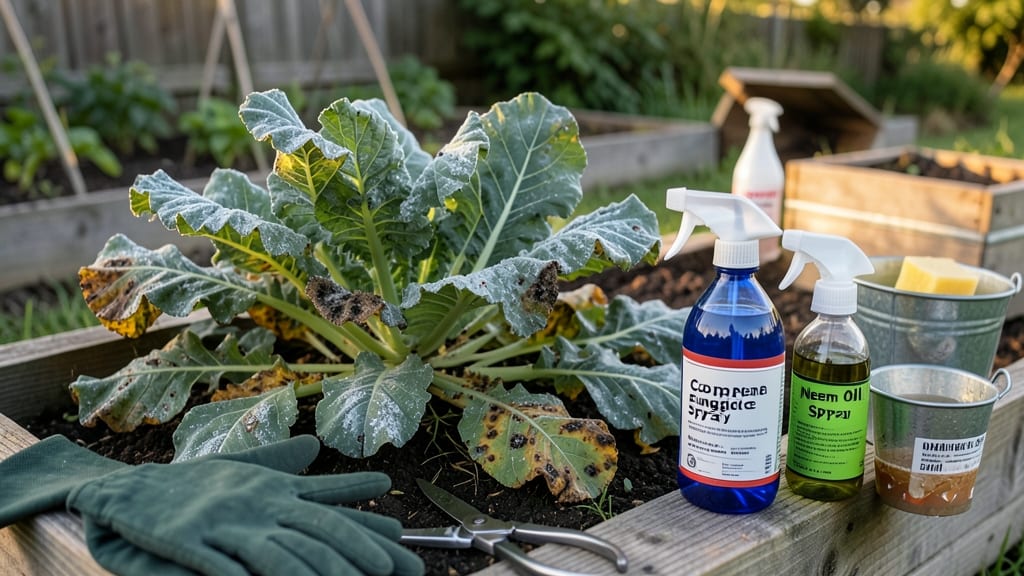
Removing fungus from your garden doesn’t have to mean reaching for harsh chemicals—there are fast, natural ways to tackle it in just 24 hours.
Fungus in your garden doesn’t just ruin the look of your plants—it can kill them if left unchecked. The good news? You don’t need harsh chemicals to fight it.
With the right natural sprays and techniques, you can eliminate fungus in as little as 24 hours and protect your garden for good.
From baking soda sprays to neem oil solutions, these natural fungicides work quickly to stop the spread while keeping your 🌱 General Garden Plants thriving. Whether you’re dealing with powdery mildew or rust, the key is acting fast and using the right mix for your specific issue.
Below, I’ll walk you through the top 5 natural sprays that eliminate fungus fast, how to apply them for maximum effectiveness, and long-term strategies to keep your garden fungus-free for good.
Top 5 natural fungicides that eliminate garden fungus in 24 hours
When powdery mildew, black spot, or rust fungus invade your garden, panic isn't the answer—action is. These natural fungicides don't just mask the problem; they disrupt fungal spores at the cellular level. The key? Applying them correctly and consistently.
Unlike synthetic fungicides, these solutions work with your plants' natural defenses while being safe for pollinators and compost systems. Let's dive into the science behind each and when to deploy them for maximum impact.
I've tested these five natural fungicides across my tomato plants, roses, and pepper beds—here's what worked fastest. The secret? Timing. Spray in the early morning when humidity is low but dew is still present.
This gives the active ingredients time to absorb before the sun evaporates them. Pro tip: Always test on a small leaf first to check for sensitivity, especially with delicate perennials like hostas or fuchsias.
Baking soda spray might seem too simple, but its alkaline pH (around 8.5) creates an environment fungal spores can't survive in. The sodium bicarbonate disrupts the fungal cell membrane, while soapy water helps it stick to leaves. It's my go-to for powdery mildew on zucchini and cucumbers—just mix 1 tablespoon baking soda, 1 tablespoon vegetable oil, and a dash of dish soap in a gallon of water. Reapply every 7-10 days during humid conditions.
Neem oil is the heavy hitter of natural fungicides, containing triterpenoids that smother fungal spores and inhibit their growth. It's particularly effective against black spot on roses and anthracnose on tomatoes. The azadirachtin in neem oil also acts as a growth regulator, preventing spores from germinating. For best results, use a 1% solution (1 tbsp neem oil + 1 tsp horticultural oil per quart of water) and apply when leaves are dry. Avoid spraying in direct sunlight to prevent leaf burn.
Hydrogen peroxide (3%) is a broad-spectrum fungicide that releases oxygen when applied, creating an environment toxic to fungal spores. It's my emergency treatment for sudden outbreaks because it works in as little as 6-12 hours. Mix 1 part 3% hydrogen peroxide with 4 parts water, add a drop of dish soap, and spray directly on infected areas. It's especially effective for root rot—just dilute to 1 part peroxide to 16 parts water and water the soil. Use within 24 hours of mixing for maximum potency.
Copper fungicide (like copper sulfate or copper hydroxide) is the old-school solution that's been used for centuries. Copper ions disrupt fungal respiration, making it effective against late blight, leaf spot, and downy mildew. It's particularly useful for vegetable gardens where organic options are preferred. Follow label instructions carefully—overuse can lead to phytotoxicity in sensitive plants. For preventative care, apply every 10-14 days during high-risk periods (like humid summers).
Garlic spray might smell like a deterrent, but its allicin compound is a natural antifungal and antibacterial. It's my secret weapon for soil-borne fungi like damping-off in seedlings. Blend 2 cloves of garlic, 1 tablespoon cayenne pepper, and 1 quart of water, then strain and spray. The sulfur compounds in garlic create an environment fungal spores can't tolerate. Reapply every 5-7 days until the fungus clears. It's also a natural insect repellent, so you'll get double duty in the garden.
🌱 Natural Fungicide Comparison Table
| Fungicide | Best For | Mix Ratio | Application Time | Reapply Every |
|---|---|---|---|---|
| Baking Soda Spray | Powdery Mildew, Leaf Spot | 1 tbsp baking soda + 1 tbsp oil + 1 tsp soap per gallon water | Early morning (dew present) | 7-10 days |
| Neem Oil | Black Spot, Anthracnose, Rust | 1 tbsp neem oil + 1 tsp horticultural oil per quart water | Late afternoon (avoid direct sun) | 7-14 days |
| Hydrogen Peroxide | <