
Watering
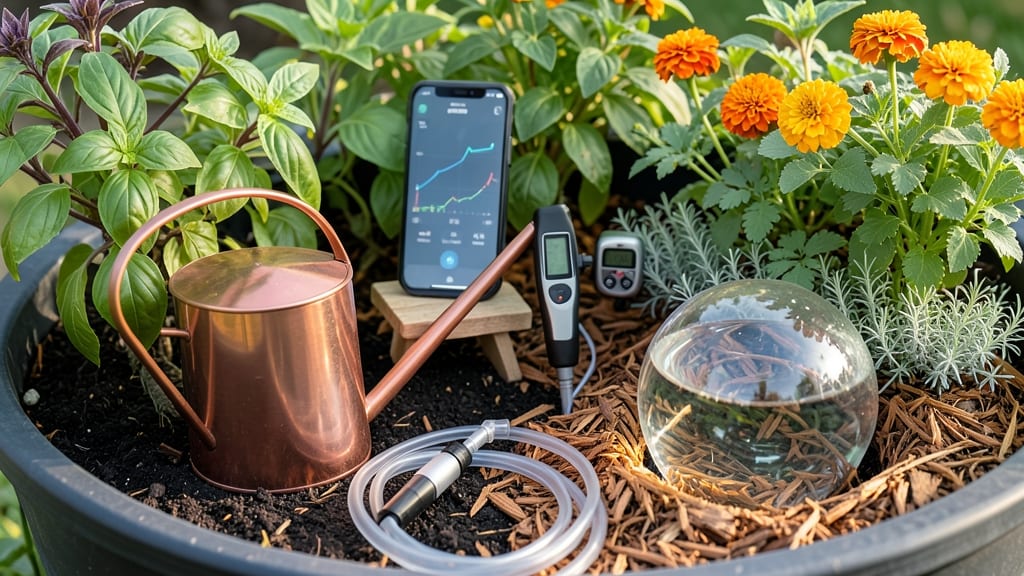
To water your garden while away without stressing over thirsty plants, start with the right self-watering systems—they’re the game-changer for 3-day to 2-week trips.
Picture this: you return to find crispy leaves or worse, soggy soil and root rot. The good news? A few simple setups—like buried bottles, drip lines, or wicking beds—keep your 🌱 General Garden hydrated without the guesswork.
Climate matters, too. In Zone 6a’s summer heat, plants drink faster, while spring’s milder days give you more wiggle room. Below, I’ll walk you through the easiest DIY fixes, smart tech, and how to tweak watering for different plant types.
You’ll leave knowing exactly which method fits your budget, your garden’s size, and how long you’ll be gone—no more praying for rain.
Best self-watering systems for long-term garden care
When you need to step away from your garden for a week or more, self-watering systems become your best defense against wilting plants and root stress. The right solution depends on your garden size, plant types, and budget—whether you’re growing vegetables, herbs, or flowers.
Below, I’ll break down the top passive watering options, from low-tech DIY to high-tech automation, so you can choose what works best for your needs.
For container gardens or small plots, Oasis soil globes and wicking beds offer simple, cost-effective solutions. Larger gardens benefit from drip irrigation kits or smart watering devices, which provide precise control and can even connect to your phone.
Each method has trade-offs in setup time, maintenance, and plant compatibility, so let’s dive into the details to help you decide.
Drip irrigation kits are my top recommendation for larger gardens because they deliver water directly to the root zone, reducing waste and evaporation. Systems like the Rain Bird or Orbit brands include timers, so you can set a schedule and forget it. They’re ideal for vegetables like tomatoes or peppers, which need consistent moisture but hate soggy soil.
If you’re working with containers or small spaces, wicking beds are a game-changer. These systems use a reservoir below the soil to slowly wick water upward via capillary action. They’re perfect for herbs or leafy greens and can last up to 10 days without refilling.
The downside? They require a bit more upfront setup, but the payoff in plant health is worth it.
Oasis soil globes are the simplest solution for single pots or small clusters. Just bury one in the soil, fill it with water, and it releases moisture over 3–7 days. They’re great for herbs like basil or cilantro, but avoid them for large plants like tomatoes—they won’t provide enough water. For long trips, I like to combine globes with a mulch layer to slow evaporation.
For those who love technology, smart watering devices like the Rachio or Blossom take the guesswork out of irrigation. These systems use soil moisture sensors to adjust watering automatically, even sending alerts to your phone.
The initial cost is higher, but they’re ideal for high-value crops or sensitive plants like orchids. Plus, you can control them remotely if your trip gets extended.
No matter which system you choose, mulching is a non-negotiable step. A 2–3 inch layer of organic mulch (straw, wood chips, or shredded leaves) locks in moisture and keeps roots cool.
Pair it with your chosen watering method, and your garden will stay hydrated and happy—even when you’re not there to check on it.
Before you leave, do a test run of your system for 24–48 hours to ensure everything’s working. Check for leaks, adjust water flow if needed, and monitor your plants for signs of overwatering (yellowing leaves) or underwatering (wilting).
With the right setup, your garden will thrive in your absence—no guilt or wilting in sight!
DIY self-watering hacks for budget-friendly garden protection
When you're away, your garden doesn't have to suffer from drought stress or wilting leaves. With a few simple, low-cost materials, you can create effective self-watering solutions that keep your plants hydrated for days.
These methods require minimal effort and are perfect for herbs, container plants, and seedlings that need consistent moisture.
I’ve tested these DIY hacks in my own garden, and they’ve saved my basil, tomatoes, and succulents from drying out during vacations. The best part? You likely already have most of the supplies at home.
Let’s dive into three of my favorite methods that require zero electricity and cost less than $5 each.
💧 Plastic Bottle Waterer (Best for Containers)
- Materials: Empty plastic bottle (1-2L), scissors, small rocks or pebbles.
- Cut the bottom off the bottle and invert it to create a funnel.
- Fill the bottle with water and place it upside-down into the soil, near the plant’s roots.
- Add rocks around the bottle’s neck to keep it stable and prevent clogging.
- Maintenance: Refill every 3-5 days depending on heat and plant size.
Perfect for herbs, lettuce, or small pots—this method delivers water slowly to the roots.
🪴 Sponge Reservoir (Ideal for Seedlings)
- Materials: Kitchen sponge, small container (yogurt cup), water, scissors.
- Cut the sponge into small squares (2x2 inches) and soak them in water.
- Place one sponge square under the soil in the pot, ensuring it touches the roots.
- Keep the sponge damp but not soggy—top up water every 2-3 days.
- Maintenance: Replace the sponge if it dries out completely or develops mold.
Great for seedlings, cuttings, or delicate plants like African violets.
🏺 Terracotta Wick System (Long-Lasting for Pots)
- Materials: Terracotta pot (or any unglazed pot), cotton string or jute twine, water reservoir (bucket or large bottle).
- Drill a small hole in the pot’s side, near the bottom, for the wick.
- Thread the cotton string through the hole and tie it securely inside the pot.
- Place the pot in a water reservoir (like a bucket) so the string’s end sits in water.
- Maintenance: Refill the reservoir every 5-7 days—the wick draws water up as needed.
Best for succulents, cacti, or Mediterranean herbs that need minimal water.
For larger gardens, combine these methods with mulching to retain moisture. Spread a 2-3 inch layer of straw or wood chips around the base of plants to slow evaporation. This works especially well in hot climates where water evaporates quickly.
Always test your setup before leaving for an extended period. Place a temporary moisture meter or stick your finger in the soil to check if the watering system is working correctly. Overwatering can be just as harmful as underwatering, so aim for consistent dampness, not saturation.
With these budget-friendly hacks, you can enjoy peace of mind knowing your garden stays hydrated—no matter how long you’re away. Happy gardening! 🌿