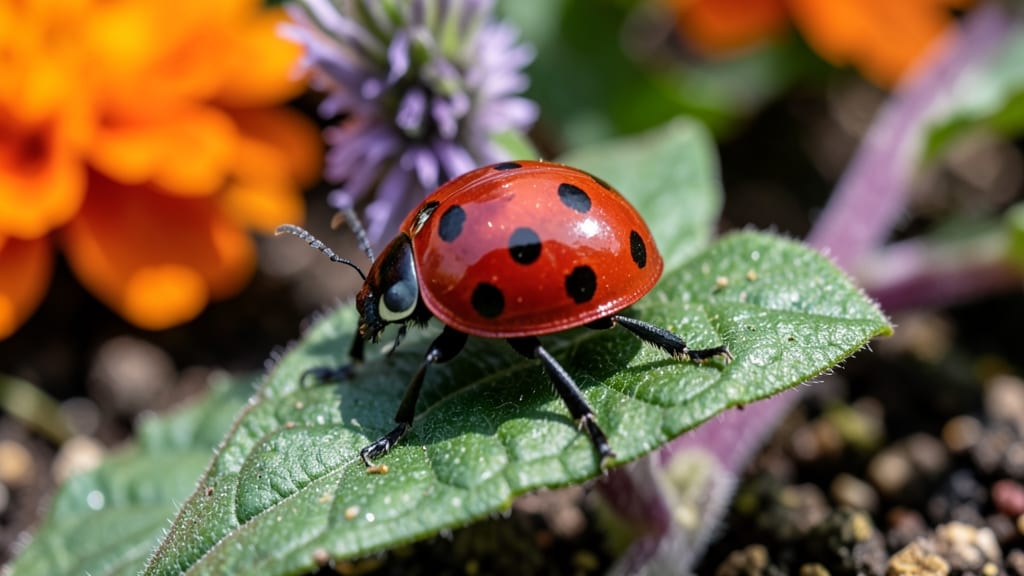
Mastering insects in garden identification is the first step to protecting your plants—and your sanity—from pests without overreacting to harmless critters.
Spotting an unfamiliar insect in your garden can trigger panic—but knowing which bugs are harmless (or even helpful) and which are destructive pests saves time, money, and your plants. This guide cuts through the confusion with a visual, appearance-based breakdown of the most common garden insects you’ll encounter.
Whether it’s a striped beetle munching leaves or a tiny fly hovering near your tomatoes, appearance is your fastest clue. I’ll walk you through the key traits to spot—like wing patterns, body shape, and antennae types—so you can tell a ladybug from a lacewing in seconds.
By the end, you’ll confidently recognize the good guys (like predatory wasps) from the bad actors (like aphids) and know exactly what to do next—whether that’s a spray bottle, a quick handpick, or simply leaving them be.
How to identify garden insects by key physical traits
When you spot an insect crawling on your tomato leaves or buzzing near your roses, your first instinct might be to swat it away. But before you react, take a closer look—some insects are actually helpful allies that protect your garden!
The key to telling friend from foe lies in their physical traits, like body shape, wing patterns, and antennae length. By mastering these visual clues, you’ll quickly identify common garden insects and decide whether to welcome them or manage their numbers.
Start by focusing on three core features: size (are they tiny like aphids or larger like beetles?), color patterns (striped, spotted, or solid?), and body structure (do they have wings, chewing mouthparts, or long legs?).
For example, a black and yellow striped insect with six legs is likely a striped cucumber beetle, a known pest, while a red and black spotted one with short antennae is probably a ladybug, your garden’s natural pest control.
Next, observe their antennae type. Long, thread-like antennae often belong to beneficial insects like lacewings, while short, club-shaped ones are common in pests like aphids.
Pay attention to their legs and wings too—some insects, like praying mantises, have spiky legs for gripping prey, while others, like whiteflies, have delicate wings they flutter rapidly when disturbed. These details are your shortcut to accurate identification.
Here’s a quick identification cheat sheet for the 10 most common garden insects, ranked by how often you’ll encounter them. Use this table as your field guide the next time you’re inspecting your plants:
| Insect |
Size |
Color/Markings |
Wings |
Antennae |
Behavior |
| Aphid |
1-3 mm |
Green, black, or yellow |
Wingless or tiny wings |
Short, club-shaped |
Cluster on new growth |
| Ladybug |
5-10 mm |
Red/orange with black spots |
Hard, rounded wings |
Short, elbowed |
Eats aphids and mites |
| Cucumber Beetle |
6-8 mm |
Yellow with black stripes |
Hard, striped wings |
Long, thread-like |
Damages cucumber plants |
| Lacewing |
8-12 mm |
Green or brown with lace-like wings |
Delicate, net-like |
Long, thread-like |
Feeds on soft-bodied pests |
| Japanese Beetle |
12-15 mm |
Green with copper wings |
Hard, metallic wings |
Short, clubbed |
Defoliates roses and beans |
| Whitefly |
1-2 mm |
White, waxy |
Tiny, powdery wings |
Short, thread-like |
Sucks plant sap |
| Praying Mantis |
50-100 mm |
Green or brown |
Long, spiky legs |
Long, thread-like |
Ambushes other insects |
| Ant |
2-10 mm |
Black, red, or brown |
No wings (workers) |
Elbowed, bent |
Farms aphids for honeydew |
| Hornworm |
50-75 mm |
Green with white stripes |
No wings (caterpillar) |
Beneficial vs. harmful insects: what their appearance reveals about behavior
A garden teeming with life isn't just beautiful—it's a delicate balance of beneficial insects and harmful pests. The key to organic pest control lies in understanding how an insect's physical traits predict its behavior.
For example, a chewing mouthpart often signals a plant-eating pest, while sucking mouthparts can indicate a sap-feeder like aphids. Even their activity times (day vs. night) offer clues about their role in your garden ecosystem.
Appearance isn't just about looks—it reveals an insect's dietary habits and ecological function. A striped body might mean a pollinator, while a soft-bodied insect with wings often signals a nuisance pest.
By learning these visual cues, you can make smarter decisions about when to intervene or leave them be. Let's break down the most common examples side by side.
Beneficial Insects
Harmful Insects
Ladybugs
🐞 Red/orange with black spots
- 🌱 Eats aphids (natural pest control)
- 🌿 Active during day
- 🪴 Beneficial for flowers
Praying Mantis
🪰 Triangular head, raised front legs
- 🌱 Predator of caterpillars
- 🌿 Nocturnal
- 🪴 Camouflaged
Honeybees
🐝 Yellow/black stripes, hairy body
- 🌱 Pollinates plants
- 🌿 Diurnal
- 🪴 Vital for fruit/vegetable yield
Aphids
🐜 Soft-bodied, green/black
- 🌱 Sucks plant sap
- 🌿 Clustered on new growth
- 🪴 Attracts ants
Japanese Beetles
🐞 Green/blue head, copper wings
- 🌱 Chews leaves
- 🌿 Active midday
- 🪴 Devours roses/beans
Caterpillars
🐛 Worm-like, hairy/soft
- 🌱 Defoliates plants
- 🌿 Nocturnal
- 🪴 Becomes moths/butterflies
Why does this matter for organic pest control? Appearance helps you act fast. For instance, ladybugs with their spotted backs are your allies—never spray them! Meanwhile, aphids, with their pear-shaped bodies, need immediate removal to prevent plant stress.
Even activity times guide your approach: nocturnal pests like earwigs might need physical barriers, while daytime pests like Japanese beetles respond to handpicking.
Here’s a pro tip: Observe leaf damage alongside insect appearance. A chewed leaf edge often means beetles or caterpillars, while sticky residue signals aphids or whiteflies. Pairing these visual clues with behavior—like whether the insect is active during day or night—gives you a full picture.
This knowledge turns your garden into a self-regulating ecosystem where you only intervene when truly necessary.
Next time you spot an unfamiliar insect, pause before reaching for pesticides. Ask yourself: What’s its mouthpart type? Is it diurnal or nocturnal? Where is it feeding? The answers will tell you whether to welcome it or encourage natural predators to keep its population in check.
Your garden’s health depends on this balance—and now, you’re equipped to spot the difference at a glance.
★★★★★5.0(7 reviews)
|