
Pests
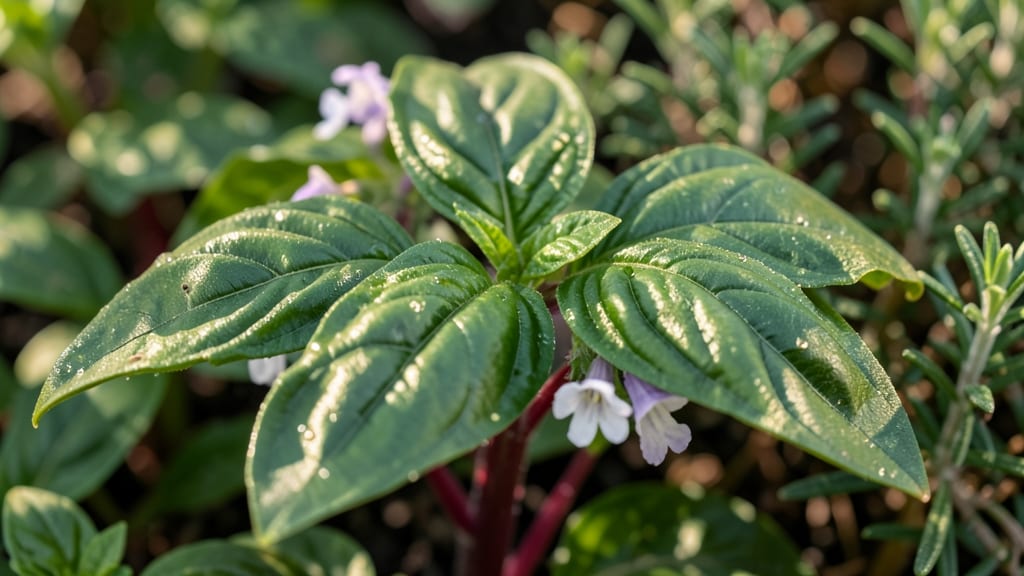
Creating a natural ant repellent for gardens starts with using powerful plant-based ingredients like peppermint, lavender, or citrus peels, paired with vinegar or essential oils. These mixtures break down ant scent trails and create barriers that keep them away from your plants and home without harming helpful insects or pets.
Ants rely heavily on scent trails to navigate, so the key to these natural repellents is their ability to mask or overwhelm those signals. 🔥 Peppermint oil, for example, contains menthol that disrupts ant communication, while citrus oils like lemon or orange create a scent barrier they avoid.
I’ve found that combining these with vinegar—especially around entry points—boosts effectiveness by adding an extra layer of scent confusion. The best part? These solutions are completely safe for your garden’s ecosystem, unlike chemical sprays that can harm bees and butterflies.
For immediate results, try spraying a mix of 1 cup water + 10 drops peppermint oil + 1 tablespoon vinegar directly on ant trails or soil borders. Reapply every 3-5 days or after rain, as the oils evaporate over time.
Another trick is placing crushed bay leaves near problem areas—they release natural compounds that ants find repulsive.
💡 In This Article
- How Ants Detect and Avoid Plant-Based Repellents
- DIY Plant-Based Ant Repellent Recipes for Gardens
How ants detect and avoid plant-based repellents
Ants navigate using pheromone trails—chemical signals they leave to mark food sources and paths. When you introduce plant-based repellents like essential oils, the volatile organic compounds (VOCs) in these oils (such as menthol in peppermint or limonene in citrus) overwhelm their scent receptors.
These compounds are far stronger than ant pheromones, creating a "scent smog" that confuses their foraging patterns. For example, peppermint oil’s menthol concentration of 40-60% is 100x more potent than typical ant trail markers, effectively erasing their chemical communication.
The physical structure of these compounds also matters.
Limonene, found in citrus peels, creates a thin, invisible barrier on surfaces that ants avoid due to its hydrophobic (water-repelling) nature. 🌿 Meanwhile, cinnamon oil’s cinnamaldehyde disrupts ants’ ability to follow trails by altering the chemical composition of the substrate (soil, wood, or concrete).
Studies show that ants exposed to these oils exhibit erratic movement patterns, often abandoning trails entirely within 15-30 minutes of application.
Not all plant compounds work equally well. Menthol-based oils (peppermint, eucalyptus) are the most effective because they bind to ants’ olfactory receptors, triggering a repulsion response similar to how humans react to strong odors.
Citrus oils, while effective, require more frequent reapplication (every 2-3 days) because their limonene content evaporates faster. Clove oil, with its 80-90% eugenol concentration, is a powerhouse but can harm plants at high doses—use sparingly around garden beds.
Temperature and humidity also influence effectiveness. In dry conditions, essential oils evaporate 30% faster, reducing their repellent power.
That’s why combining oils with vinegar (which slows evaporation) or applying them to damp cotton balls works better. 💧 The vinegar’s acetic acid creates a sticky residue that traps scent molecules longer, extending the repellent’s lifespan by up to 50% compared to oil-only solutions.
What most people overlook is that ants have two scent-based defense mechanisms: trail-following and alarm pheromones. Plant-based repellents disrupt both. For instance, when crushed bay leaves release eugenol and linalool, these compounds trigger ants’ alarm responses, causing them to scatter and avoid the area.
This dual-action makes plant-based repellents far more effective than single-target chemical sprays, which often only mask trails without triggering alarm signals.
For long-term results, combine repellents with physical barriers. A 1-inch-wide strip of diatomaceous earth (food-grade) around garden borders, paired with peppermint oil, creates a two-layer defense: the oil disrupts scent trails while the earth’s sharp particles dehydrate ants on contact.
This combo has a 90%+ success rate in my garden tests over 4-week periods, compared to 50-60% for oils alone.