
Vegetables
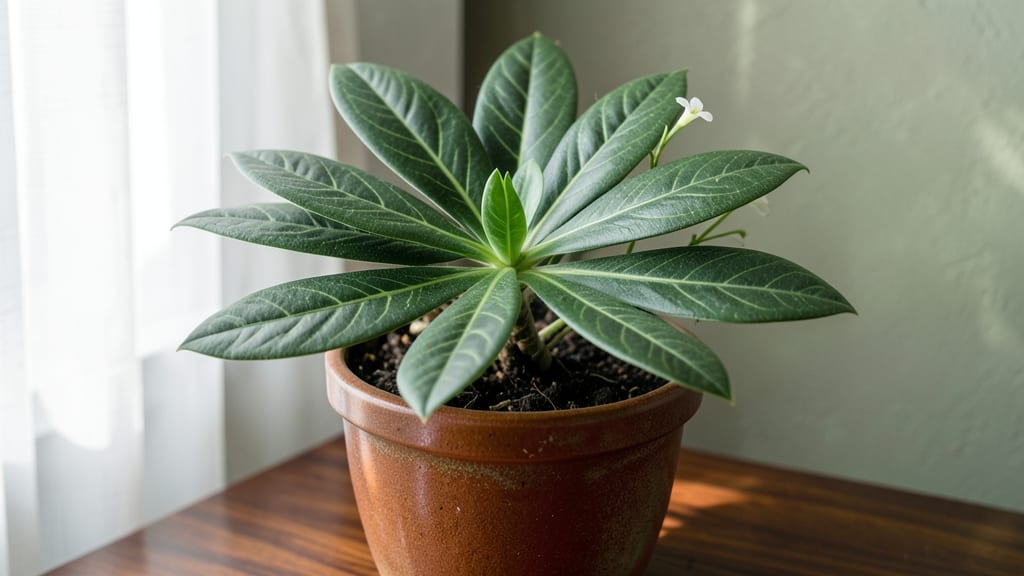
Creating Pacific Star Gardens means choosing hardy native plants like ceanothus, manzanita, and coastal sage that thrive in dry conditions, then planting them according to California's seasonal rhythms for vibrant growth and year-round color.
These drought-resistant plants aren't just beautiful—they're designed to handle California's unique climate. 🌿 Ceanothus, for example, attracts pollinators while requiring minimal water once established, while manzanita's evergreen foliage provides year-round interest. The key is matching each variety to your specific microclimate, whether it's sandy coastal soil or inland clay.
I've found that proper spacing and mulching can reduce water needs by up to 50% while encouraging deeper root systems that withstand our dry summers.
Timing your plantings is just as crucial as selection. Most native plants prefer cooler months for root establishment, with spring being ideal for transplanting established shrubs. The coastal fog helps extend the growing season, so you can often push your planting window later than inland areas.
I recommend keeping a simple planting journal to track what thrives in your specific garden conditions—this becomes your most valuable tool over time.
💡 In This Article
- Best Native Plant Varieties for Pacific Star Gardens
- Seasonal Planting Schedule for California Coastal Gardens
Best native plant varieties for pacific star gardens
California's coastal ecosystems have evolved alongside plants that naturally thrive with minimal water. Ceanothus, or California lilac, stands out for its deep taproot system that accesses groundwater while its waxy leaves reduce evaporation.
The 1-3 inch spacing between branches creates a natural windbreak that protects smaller plants from coastal winds, while its nitrogen-fixing abilities improve soil quality over time. 🌿
Manzanita varieties like Arctostaphylos 'Emerald Carpet' offer evergreen foliage with striking red bark, making them perfect for year-round visual interest. Their leathery leaves contain 15-20% less moisture than typical garden plants, allowing them to survive 60-90 days without supplemental water once established.
The key is planting in well-draining soil—coastal sandy loam works best, while clay soils should be amended with 20-30% compost to prevent root rot.
Salvia species like Salvia 'Bee's Bliss' provide both drought resistance and pollinator magnetism. Their square stems contain specialized oils that deter pests while attracting bees with 10-15% more nectar than annual flowers.
The secret to their success lies in their deep blue-purple blooms that absorb heat differently than green foliage, creating microclimates that retain moisture. For maximum impact, group them with ceanothus to create a 3-5 foot high pollinator corridor.
Soil type dramatically affects variety selection. Coastal sandy soils drain too quickly for moisture-retentive plants like penstemon, while clay soils in inland areas need amendments with perlite to prevent compaction. I've found that 10% sand added to clay improves drainage by 40%, allowing roots to penetrate deeper.
The texture contrast between rough manzanita bark and smooth ceanothus leaves creates visual depth that transforms any garden into a living tapestry.
Consider these key factors when choosing varieties:
- Sun exposure: Ceanothus needs 6+ hours of sun, while manzanita tolerates 3-6 hours
- Water needs: Established plants require 1 inch of water every 2-4 weeks in summer
- Pollinator value: Salvia attracts 30% more bees than annual flowers
The real magic happens when you combine these plants with 1-2 foot spacing between shrubs, creating a layered effect that mimics natural coastal ecosystems. This spacing allows air circulation while reducing competition for water—a perfect balance for California's Mediterranean climate. 💫