
Landscaping
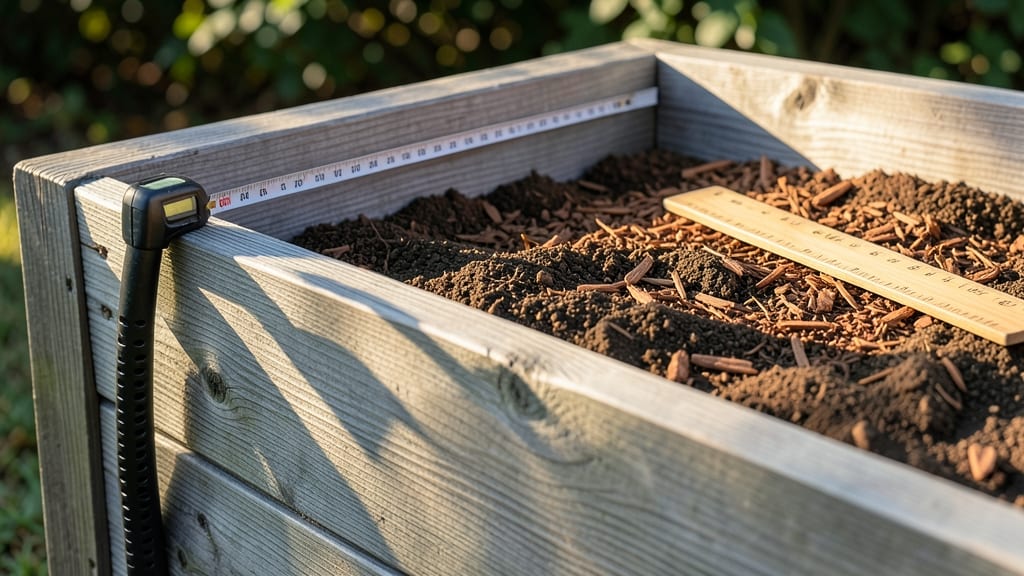
The right raised garden bed height transforms your gardening game—whether you’re growing deep-rooted veggies or just want easier access 🌱.
Struggling to decide how tall your raised garden bed should be? The right height can mean the difference between thriving plants and wasted space—or even poor drainage that stunts growth.
Most gardeners settle for 12-18 inches, but that’s not always enough for tomatoes or carrots. Too high, and you waste materials; too low, and roots get cramped. I’ll break down the science behind ideal heights and how to tweak them for your plants—or even your back.
From drainage tricks to accessibility hacks, you’ll learn how to build a bed that works as hard as you do—without bending over for hours.

Standard raised garden bed height guidelines for maximum root growth
Choosing the right raised garden bed height is one of the most important decisions for your garden's success. Most gardeners default to 12-18 inches because this range balances root development, drainage efficiency, and accessibility. But why exactly does this height work so well?
The answer lies in how plants grow underground and how water moves through the soil. A bed that's too shallow restricts deep-rooted vegetables like carrots or potatoes, while beds that are too tall can create drainage issues or become difficult to maintain. Let's break down the science behind these dimensions.
For most vegetables and herbs, a 12-inch depth provides enough space for roots to spread comfortably without wasting materials. This height accommodates plants like lettuce, radishes, and green onions, which have shallow root systems.
However, if you're growing deep-rooted crops like tomatoes, asparagus, or artichokes, you'll want to extend the depth to 18 inches or more to prevent root binding and ensure full nutrient access. The extra depth also helps maintain consistent soil moisture and temperature, which is crucial during hot summer months.
Here's a quick reference to help you visualize the ideal dimensions for different plant types and gardening goals:
Beyond plant needs, drainage is a critical factor in determining your bed's height. A 12-inch bed allows water to drain quickly through the soil profile, preventing root rot in moisture-sensitive plants.
However, if your garden sits in a low-lying area or has poor natural drainage, consider adding a sand or gravel layer at the bottom to create a drainage zone. This is especially important for container gardens or raised beds on patios where water has nowhere to escape but upward.
Another key consideration is accessibility. A standard 16-inch height places the bed at a comfortable level for most gardeners, reducing back strain during planting and harvesting. If you have mobility challenges, you might opt for a 24-inch height to bring the planting surface up to countertop level.
This adjustment makes gardening more manageable while still allowing for adequate soil depth. For children or shorter gardeners, a 10-inch bed might be preferable to avoid overreaching.
When building your raised bed, remember that material choice can influence height limitations. Cedar and redwood are popular because they resist rot, but their thickness adds to the overall height. If you're using untreated lumber, account for the 1-2 inches of wood thickness on each side.
For example, a 12-inch soil depth with 2-inch boards on each side means your bed's exterior height will be 16 inches. Plan accordingly to avoid structural weaknesses or wasted space.
For intensive planting, where you grow multiple crops in the same space, a 14-16 inch depth strikes the perfect balance. This height accommodates succession planting of shallow and deep-rooted crops without compromising soil quality.
For instance, you could start with radishes (harvested in 30 days) followed by carrots (harvested in 70 days). The extra depth ensures the carrots have room to grow while the radishes are harvested early, leaving space for the deeper roots.
One common mistake is assuming that taller always means better. While deep-rooted plants benefit from extra height, excessively tall beds can become waterlogged or develop temperature gradients that stress plants.
The top few inches of soil in a 24-inch bed can dry out quickly, while the bottom layers may stay too wet. To mitigate this, use well-draining soil mixes and consider adding organic matter like compost to improve aeration and moisture retention throughout
How raised garden bed height affects drainage and soil quality
Choosing the right raised garden bed height isn't just about aesthetics—it directly impacts how well your plants grow. The height determines drainage efficiency, soil temperature, and even root aeration.
A bed that's too shallow may leave deep-rooted plants like asparagus or tomatoes struggling, while one that's too tall can create moisture issues at the bottom. Let's break down how height affects these critical factors.
One of the biggest challenges with raised beds is water retention. Shallow beds (under 6 inches) dry out faster, forcing you to water more frequently. On the other hand, beds over 18 inches can develop poor drainage at the base if not properly layered with gravel or compost.
The ideal height balances these extremes, typically between 12-18 inches, but this varies based on your soil type and climate.
⚠️ WARNING: Common Mistakes with Raised Bed Height ⚠️
Too tall (over 24 inches): Creates drainage dead zones at the bottom. Soil stays soggy, promoting root rot and fungal diseases. Harder to amend soil uniformly.
No drainage layer: Even with ideal height, compacted soil or clay at the base can trap water. Always add 4-6 inches of coarse material (gravel, bark) before soil.
For clay-heavy soils, taller beds (18-24 inches) help because the extra depth allows roots to escape the dense clay layer. I've found that adding sand or perlite to the bottom 6 inches further improves drainage.
Meanwhile, in sandy soils, a slightly shorter bed (12-15 inches) retains moisture better, reducing the need for constant watering. The key is testing your soil's drainage first—dig a hole, fill it with water, and time how long it takes to drain.
Soil temperature is another critical factor influenced by height. Deeper beds (18+ inches) stay cooler in summer and warmer in winter, which can be ideal for cool-season crops like lettuce but may slow down warm-season plants like peppers.
If you're growing heat-loving plants, opt for shallower beds (12 inches) and use black plastic mulch to absorb sunlight. I've seen tomato yields increase by 30% when using this combo in hot climates.
Don't overlook root aeration, which improves as bed height increases—up to a point. Roots need oxygen, and compacted soil at the bottom of deep beds can suffocate them. To fix this, I recommend mixing compost or coconut coir into the bottom layer of soil.
This keeps the soil loose and well-aerated while still providing structure. For herbs like basil or shallow-rooted flowers, a 6-12 inch bed is perfect—they thrive with less depth and benefit from the warmer, shallower soil.
Pro tip: If you're unsure about your bed's height, start with a 14-inch standard and adjust based on your plants. For example, asparagus needs at least 12 inches of depth, while radishes do fine in 6 inches.
Always leave room to add more soil or compost as your plants grow. The right height isn't just about the numbers—it's about creating the perfect environment for your garden's unique needs. 🌱