
Tools
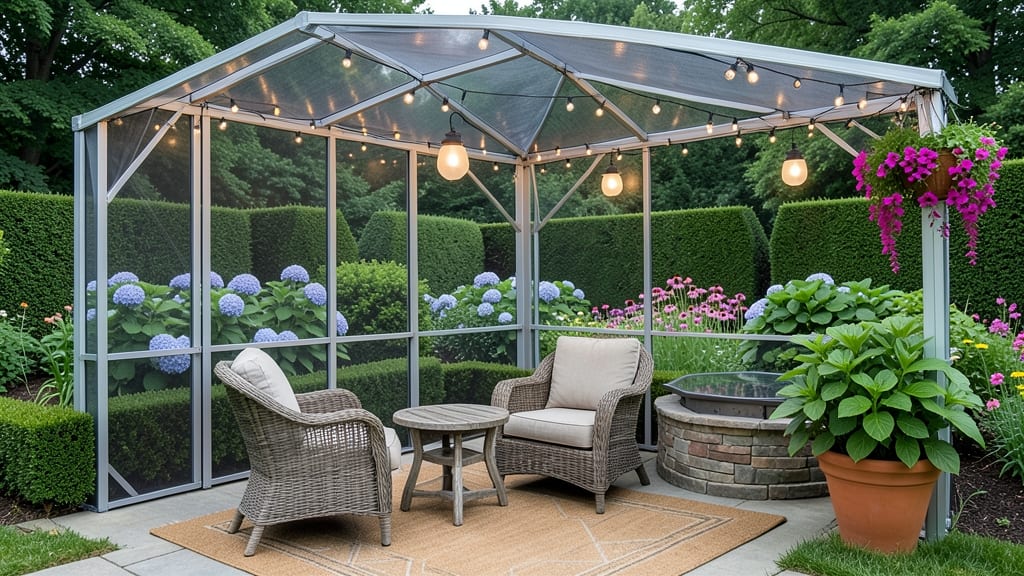
A screened-in garden creates a private outdoor retreat that blends security, style, and functionality for year-round use.
Imagine a space where you can garden, dine, or unwind—protected from pests, wind, and weather—without sacrificing natural light or airflow.
This isn’t just a dream for urban balconies or suburban backyards; it’s a practical solution for anyone craving an extension of their home that feels both cozy and connected to nature.
Whether you’re dreaming of a tropical escape, a modern dining nook, or a rustic herb garden, the right design and materials make all the difference. From durable mesh to elegant glass panels, we’ll explore how to balance privacy, ventilation, and aesthetics while keeping your space climate-controlled and pest-free.
Ready to transform your outdoor space? Discover 10 privacy-preserving layouts, material comparisons, and plant picks that thrive in enclosed gardens—so you can enjoy your retreat rain or shine.
10 Screened-in garden layouts for privacy and functionality
A screened-in garden offers the perfect blend of outdoor access and protected privacy, creating a versatile space for gardening, entertaining, or unwinding. Whether you have a small patio or a sprawling backyard, the right layout can maximize airflow, sunlight exposure, and pest control while keeping your space secure.
The key is balancing functionality with aesthetic appeal, ensuring your garden remains a year-round retreat.
From cozy corners ideal for morning coffee to expansive enclosures perfect for hosting, each layout can be customized with materials like aluminum mesh, polyester fabric, or bamboo screens to suit your climate and style.
Below, I’ve curated 10 practical designs that prioritize privacy, ventilation, and plant-friendly conditions—all while keeping installation manageable for DIY enthusiasts or professional builders.
🌿 Top 10 Screened-In Garden Layouts
-
1. The Cozy Corner
Ideal for small spaces: 4'x4' enclosure with a single mesh panel and a built-in bench. Perfect for herbs and container plants. -
2. The L-Shaped Retreat
Wraps around a patio or deck, offering 3-sided privacy with a retractable roof option for rain protection. -
3. The Greenhouse-Inspired Enclosure
Full-height screens with adjustable vents and a sloped roof for optimal sunlight and airflow—ideal for tropical plants. -
4. The Multi-Level Terrace
Tiered screens create distinct zones: upper level for dining, lower level for gardening, with shared airflow. -
5. The Pergola Hybrid
Screened panels attach to a pergola frame, offering shade and privacy while allowing dappled sunlight for shade-loving plants. -
6. The Freestanding Gazebo
Self-contained structure with removable screens, perfect for seasonal use or relocating to different yard spots. -
7. The Vertical Privacy Wall
Floor-to-ceiling screens along a fence or wall, leaving one side open for airflow while blocking neighbors' views. -
8. The Sunroom Extension
Attached to a home or garage, featuring large windows and partial screens for a bright, airy feel with pest protection. -
9. The Modular Grid
Interlocking screen panels create customizable shapes, great for dividing large yards or adding temporary privacy. -
10. The Rooftop Deck
Screened railings and a mesh ceiling transform a balcony into a protected garden, ideal for urban dwellers.
For small spaces, layouts like the Cozy Corner or Freestanding Gazebo maximize functionality without overwhelming your yard. These designs focus on vertical gardening and container plants, making them perfect for herbs, succulents, or microgreens.
The L-Shaped Retreat or Multi-Level Terrace works well for families, offering dedicated zones for dining, gardening, and lounging while maintaining airflow.
If you’re aiming for a climate-controlled greenhouse effect, the Greenhouse-Inspired Enclosure or Pergola Hybrid are game-changers. These layouts prioritize adjustable ventilation and sunlight optimization, allowing you to grow heat-loving plants like tomatoes, peppers, or even citrus trees year-round.
For urban gardeners, the Rooftop Deck or Vertical Privacy Wall leverages limited space efficiently while adding privacy and style.
When planning your layout, consider your local climate and prevailing winds. For example, in humid areas, opt for fine-mesh screens to prevent mold buildup, while in windy regions, a freestanding structure with a sturdy frame will hold up better.
Pair your screens with durable framing materials like powder-coated aluminum or treated wood to ensure longevity and low maintenance.
Don’t overlook the aesthetic details—adding climbing plants like jasmine or clematis to your screens can soften the look while providing natural shade. Incorporate LED string lights or solar-powered lanterns for evening ambiance, and choose flooring options like stained concrete, pavers, or artificial turf to complete the look.
The goal is to create a space that feels like an extension of your home, not just a functional add-on.
For DIY installation, start with a simple Cozy Corner or Modular Grid to test materials and airflow before committing to larger projects. Measure twice, mark your layout with stakes, and use a level to ensure your frame is plumb. If you’re unsure about structural integrity,
Best materials for screened-in gardens: durability vs. aesthetics
A screened-in garden lets you enjoy the outdoors while keeping pests and harsh weather at bay. But choosing the right materials means balancing durability, pest protection, and visual appeal. Your climate and style preferences will determine the best options for your space.
Screening materials like aluminum, vinyl, polyester, and bamboo each offer unique benefits. Pairing them with the right framing—wood, PVC, or metal—can make or break your garden's longevity and look. Let’s break down the pros and cons for different climates and aesthetics.
For humid climates, I recommend aluminum or vinyl screens—they resist rust and fading. In dry areas, polyester or bamboo can work well if paired with durable framing like metal or PVC to prevent warping.
If you’re aiming for a modern look, sleek aluminum frames with vinyl screening offer a clean finish. For a rustic vibe, bamboo screens with wooden framing create warmth and texture. Don’t forget to consider ventilation—some materials allow better airflow than others.
For long-term durability, invest in galvanized metal or pressure-treated wood framing. These options resist rot and pests, ensuring your screened garden stays functional for years. Pair them with UV-resistant screening to prevent fading and degradation from sun exposure.
Your choice of materials should also align with your maintenance preferences. Vinyl and polyester require minimal upkeep, while wood frames may need sealing or staining every few years. Plan accordingly to keep your screened garden looking its best with minimal effort.