
Landscaping
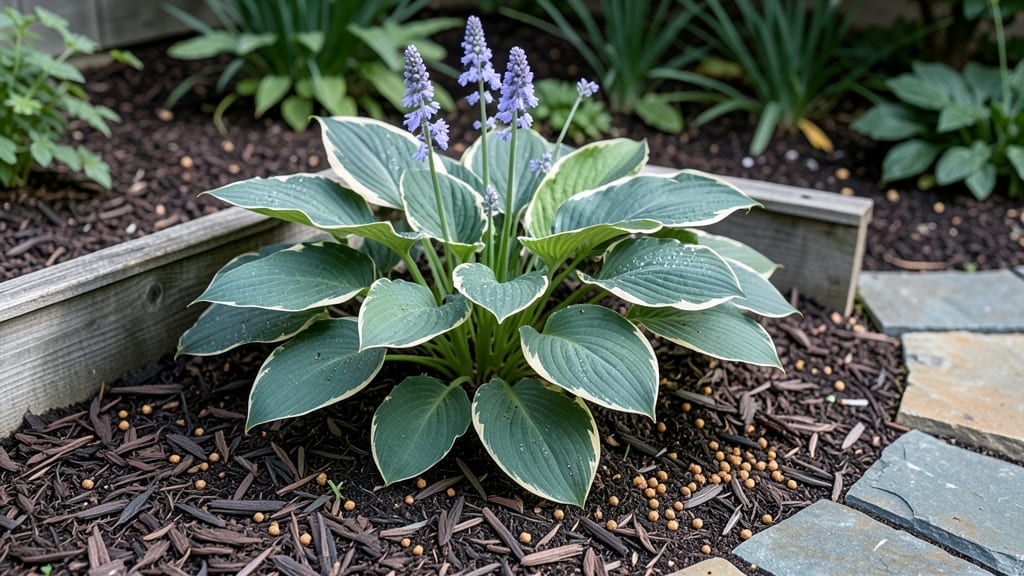
Transforming your shade garden ideas for Zone 6 into a thriving, low-maintenance oasis is easier than you think—even when sunlight is scarce.
Picture this: a lush, low-maintenance garden bursting with color year-round, where hostas and ferns thrive under the canopy of trees. The key isn’t more light but the right plants and smart layering to make every inch feel alive.
Zone 6’s climate—with its cold winters and humid summers—can stress some shade plants, but the solutions are simple. From evergreen shrubs that keep color through frost to annuals that bloom until fall, you’ll find hardy options that ask for little but give back big.
In this guide, I’ll walk you through the best perennials, shrubs, and ground covers for your shade garden, plus layout tricks to maximize space and minimize work. Let’s turn that shady spot into your yard’s most vibrant corner.
 Best Window Placement
Best low-maintenance shade-loving plants for Zone 6 year-round color
Creating a vibrant shade garden in Zone 6 doesn’t mean sacrificing color or texture. The key lies in selecting hardy perennials, foliage plants, and shade-tolerant bulbs that thrive in low-light conditions.
These plants offer year-round interest with minimal maintenance, making them perfect for busy gardeners or areas under trees and structures.
Zone 6’s climate—with cold winters and humid summers—demands plants that are drought-tolerant, cold-hardy, and adaptable to varying moisture levels. The right choices will reward you with spring blooms, summer foliage, and fall/winter structure, ensuring your garden stays dynamic all year.
| Plant Type | Sunlight Needs | Water Needs | Mature Size | Bloom Season | Notes |
|---|---|---|---|---|---|
| Hostas (Hosta spp.) | Partial to full shade | Moderate (1" weekly) | 1-3 ft tall, 2-4 ft wide | Summer (some varieties) | Drought-tolerant once established; deer-resistant |
| Astilbe (Astilbe spp.) | Partial shade | Moderate (keep soil moist) | 1-4 ft tall, 1-2 ft wide | Spring to summer | Feathery plumes in pink, white, or red; great for borders |
| Japanese Fern (Matteuccia struthiopteris) | Full to partial shade | Moderate (consistent moisture) | 3-4 ft tall, 3-4 ft wide | Spring (fertile fronds) | Evergreen in mild winters; architectural foliage |
| Hellebore (Helleborus spp.) | Partial to full shade | Low (drought-tolerant) | 1-2 ft tall, 1-2 ft wide | Winter to early spring | Winter blooms; deer-resistant; evergreen foliage |
| Lungwort (Pulmonaria spp.) | Partial shade | Moderate (well-drained soil) | 1-2 ft tall, 1-2 ft wide | Early spring | Spotted foliage; self-seeds; attracts pollinators |
| Coral Bells (Heuchera spp.) | Partial to full shade | Low (drought-tolerant) | 1-2 ft tall, 1-2 ft wide | Summer (some varieties) | Stunning foliage in purple, silver, or green; long-lived |
| Sweet Woodruff (Galium odoratum) | Full to partial shade | Low (drought-tolerant) | 6-12 in tall, spreads | Spring (white flowers) | Fragrant foliage; great ground cover; deer-resistant |
For year-round color, combine spring bloomers like hellebores with summer foliage stars such as hostas and coral bells. Add fall interest with Japanese anemones (Anemone hupehensis) or fall asters (Symphyotrichum spp.), both of which thrive in partial shade and Zone 6 winters.
Don’t overlook shade-tolerant bulbs like crocuses (Crocus spp.) and snowdrops (Galanthus spp.), which bloom early in late winter to spring. These low-maintenance perennials naturalize over time, reducing future upkeep while adding
Layering techniques for a lush, multi-season shade garden layout
A well-layered shade garden creates depth and visual interest while maximizing space efficiency—critical for Zone 6’s humid summers and cold winters. The key lies in combining vertical elements (tall plants), mid-height shrubs, and ground covers to mimic natural forest understory layers.
This approach not only enhances beauty but also reduces maintenance by minimizing bare soil exposure.
Start by assessing your shade type: deciduous trees (filtering light) or evergreen trees (constant shade). Zone 6’s partial shade (3–6 hours of light) often works best for layered designs, allowing you to mix sun-loving and shade-tolerant plants.
For example, place tall ferns or Japanese maples at the back, with hostas and heucheras in the middle, and ajuga or sweet woodruff on the ground.
- 🌳 Vertical Layer (Back): Tall plants like Ostrich ferns (4–6 ft) or Cimicifuga (3–5 ft) create height and drama. Space these 18–24 inches apart to avoid overcrowding.
- 🌿 Mid-Layer (Middle): Shrubs such as Hydrangeas (3–5 ft) or Pieris japonica (3–6 ft) add structure. Place them 12–18 inches apart for balanced foliage.
- 🌱 Ground Layer (Front): Spread Lungwort or Sweet woodruff to cover soil and suppress weeds. These thrive in dappled shade and spread 12–18 inches wide.
- 🪴 Containers (Flexibility): Use pots for small spaces or awkward areas. Fill with shade-tolerant impatiens or caladiums for pop-of-color in tight spots.
- 🌡️ Seasonal Swaps: Replace summer-blooming bleeding hearts with winter interest plants like Hellebores (evergreen foliage) for year-round appeal.
Spacing is everything in layered gardens. For tall plants, allow 2–3 feet between stems to prevent competition, while ground covers should spread 12–18 inches apart to fill gaps naturally. In Zone 6, mulching with shredded bark (2–3 inches deep) retains moisture during summer droughts and insulates roots in winter.
For small or awkward spaces, containers are your best friend. Use large pots (18+ inches wide) for dwarf Japanese maples or miniature hostas, and place them on patios or along fences.
Group odd numbers (3 or 5 pots) for a natural look, and elevate containers slightly to improve drainage—a common issue in Zone 6’s clay-heavy soils.
Don’t forget to plan for seasonal transitions. In spring, epimediums and foamflowers add early color, while fall brings Japanese anemones and toad lilies. By layering plants with staggered bloom times, your shade garden stays vibrant from March through November with minimal effort.
Finally, incorporate textural contrast—pair leathery hosta leaves with delicate fern fronds or spiky acorus grass for visual intrigue. This technique not only enhances beauty but also makes your garden feel intentional and well-cared-for, even in low-light conditions. 🌿