
Watering
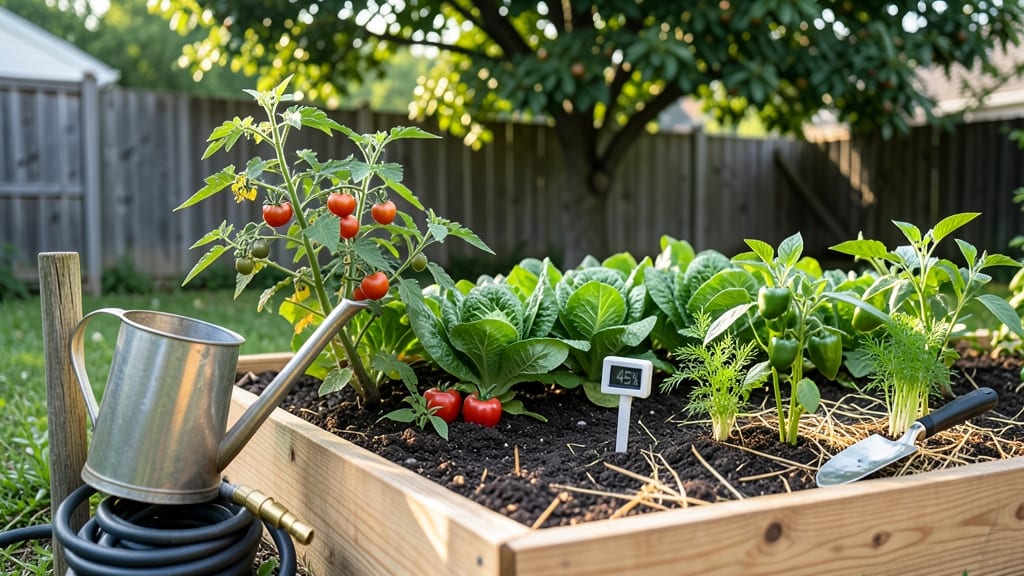
Watering your vegetable garden every day can actually harm more than help 🥬 — roots need air to breathe, and too much moisture invites rot, pests, and wasted water.
Picture this: you’ve spent hours planting your spring garden, only to watch it struggle because the soil is soggy or the leaves yellow. The key isn’t frequency—it’s deep, consistent moisture that matches your plants’ needs and your local climate.
Some crops like lettuce or herbs thrive with daily light watering, while tomatoes and peppers demand 1-2 inches of water per week. The real trick is checking soil moisture, adjusting for heat waves, and avoiding evening watering to prevent disease.
Below, I’ll break down the smart watering schedule for your zone, how to spot overwatering, and the simplest ways to cut waste—so you can grow a lush garden without drowning it.
How often should you water vegetable gardens based on plant type and climate
Watering your vegetable garden isn't a one-size-fits-all task. While some plants like lettuce thrive with daily moisture, others like tomatoes prefer deep, infrequent watering. The key is matching your watering schedule to each plant's needs while accounting for your local climate and soil type.
In hot, dry regions, I often water twice daily, while in cooler, moist climates, every other day may suffice.
Your soil type plays a huge role too. Sandy soil drains quickly, requiring more frequent watering, while clay holds moisture longer. For example, my peppers in sandy soil need watering every 2-3 days, but in clay soil, they only need it every 5-7 days.
Understanding these factors helps prevent both overwatering and underwatering, both of which can harm your plants.
Here's a quick reference for common vegetables and their watering needs:
For tomatoes, I've found that deep watering—meaning watering until the soil is moist 12-18 inches down—produces healthier plants with fewer issues like blossom end rot. In my hot, dry climate, I water my tomatoes in the early morning to reduce evaporation and fungal diseases.
If you're in a cooler region, you can stretch this to every 3-4 days, but always check the top inch of soil first.
Leafy greens like lettuce and spinach need consistent moisture to stay crisp. In my garden, I water these daily during summer, but in cooler months, every 2-3 days works perfectly. The key is to keep the soil evenly moist—never soggy.
If the soil feels dry just below the surface, it's time to water. For herbs like basil, I water every 2 days in heat, but they're quite resilient and can handle slight drying between waterings.
When it comes to soil type, sandy soil drains water quickly, so I water more frequently but with less volume. Clay soil, on the other hand, holds moisture longer, so I water less often but deeply.
For example, my peppers in clay soil only need watering every 5-7 days, while those in sandy soil need it every 2-3 days. Always adjust based on your soil's drainage—you can test this by digging a small hole and observing how quickly water drains away.
Another critical factor is the growth stage of your plants. Seedlings need frequent
Signs of overwatering vs. underwatering: how to tell what your plants really need
Even the most dedicated gardeners can struggle to tell if their vegetable plants are thirsty or drowning. Overwatering and underwatering both cause stress, but the symptoms—and fixes—are completely different. Learning to read your plants' signals will save you time, water, and even your harvest.
Start by checking the soil moisture with your finger. Stick it 1-2 inches deep—if it feels damp, hold off on watering. If it's bone-dry, your plants need hydration. But visual clues like leaf color and stem firmness often reveal the bigger picture before soil tests do.
🚨 Warning: Daily Watering Can Kill Your Plants!
Most vegetable gardens don’t need daily watering—except in extreme heat (over 90°F). Overwatering suffocates roots by cutting off oxygen, leading to root rot and fungal diseases like powdery mildew. A quick soil check beats guesswork: if the top inch is dry, water deeply; if soggy, wait.
Pro Tip: Water in the morning (before 10 AM) to reduce evaporation and fungal risks. Avoid evening watering—wet leaves overnight invite pests.
Yellowing leaves are a classic overwatering red flag, especially if they start at the bottom of the plant. This signals root rot, where roots suffocate in soggy soil.
Another clue? Mushy stems or a foul odor when you dig near the base. If you see white mold on soil or leaves, your plants are drowning.
Underwatered plants, however, show crispy brown edges on leaves and a permanent wilt that doesn’t bounce back in the evening. The soil pulls away from pot edges, and veins may sink inward. Tomatoes and peppers drop blossoms, while lettuce bolts (sends up a tall flower stalk) when stressed.
Fix it by watering deeply until it runs out the drainage holes.
For a foolproof test, grab a soil moisture meter (or a wooden skewer). Insert it 3 inches deep—readings under 30% mean underwatering; over 60% means overwatering. Adjust your schedule: drought-tolerant veggies (like zucchini) need less, while leafy greens (like spinach) crave consistent moisture.
Remember, mulch is your best friend. A 2-inch layer of straw or wood chips locks in moisture, keeps roots cool, and slows evaporation. Pair it with drip irrigation for precision—watering at the base (not leaves) prevents disease while delivering hydration exactly where roots need it.
Trust your plants—they’ll tell you what they need. Wilting that recovers by evening? Underwatered. Yellow leaves with mushy stems? Overwatered. Balance is key: aim for 1-2 inches of water per week, adjusting for rain and heat. Your veggies will thrive—and so will your green thumb! 🌱